Tried out the Audi TT Coupé 2.0 TFSI S tronic last week to check out the latest facelift for the luxury sports car. This is the first half of the review, which concludes tomorrow.
It’s been more than 25 years since the Audi TT concept car was first showcased in 1995 at the IAA in Frankfurt. The first Coupé premiered in 1998, with the 2nd generation in 2006 and the 3rd gen in 2014.
This latest update to the Audi TT Coupé sees the new direct injection 2.0 TFSI engine with 230hp replacing the previous 180hp 1.8 TFSI.
It’s been more than 25 years since the Audi TT concept car was first showcased in 1995 at the IAA in Frankfurt.
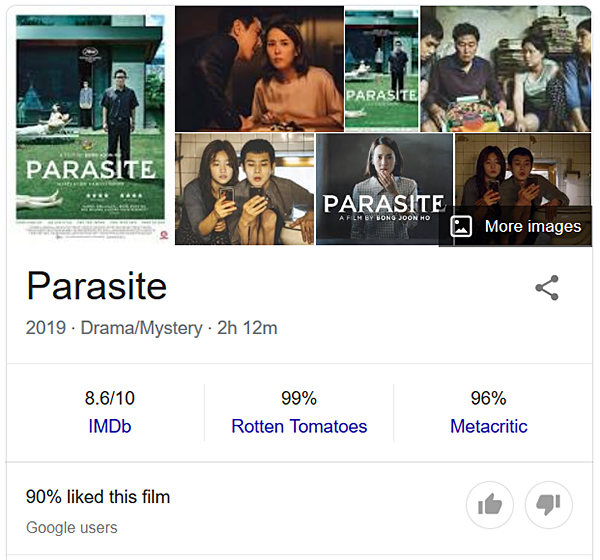
I just watched the Oscar-winning Parasite during the week with the family. It was entertaining as a comedy and thought-provoking as a satire. Great movie. Here’s some data on how people searched about the movie during Oscar season.
A refreshing treatment of the age-old dichotomy between the haves and the have-nots.
My family and I watched the movie over dinner time and thoroughly enjoyed the dark but refreshingly directed satire, including my teenage son, although he did express a desire to take a hiatus from the genre in the coming months.
A friend of mine thought Parasite was a sci-fi/horror movie about aliens hijacking human bodies and spreading like a zombie apocalypse.
But I told him the Oscars do not typically give the top award to that genre.
So here’s what Google shared about the interest that global viewers showed in the first non-English language film to win the Oscar for Best Picture – instead of just the traditional Academy Award for Best International Feature Film.
As a Best Picture nominee in the week prior to the awards, Parasite was the third-most-searched nominee behind “1917” and “Jojo Rabbit”.
Incidentally, we’ve also watched Jojo Rabbit and found it an excellent movie. We’ll probably watch 1917 after my son’s hiatus.
What does winning the Oscars do for our career and business?
On Oscars day, Parasite searches jumped almost nine-fold to become top-searched.
Atish Gude, NetApp’s Chief Strategy Officer shares three predictions for 2020, putting the spotlight on 5G, Blockchain and infrastructure virtualisation solutions.
* This article is contributed by Atish Gude, based on his professional experience and personal opinions.
What does 2020 hold in store?
2019 was a year of rapid innovation – and disruption – for both the IT industry and the broader business community.
With the widespread adoption of hybrid multicloud as the de-facto architecture for enterprise customers, organisations everywhere are under tremendous pressure to modernise their infrastructure and deliver tangible business value around data-intensive applications and workloads.
Multiclouds & Virtualisation
As a result, organisations are shifting from on-premises to leverage public cloud services, building private clouds, and moving from disk to flash in data centers – sometimes concurrently.
These transformations open the door to enormous potential, but also introduce the unintended consequence of rising IT complexity.
We predict that a demand for simplicity and customisability will be the number-one factor driving IT purchasing decisions in 2020.
Data-driven transformations
Vendors will need to provide customers modern, flexible technologies with the choice of how to use and consumes these technologies to meet evolving business models.
As IT departments look to de-emphasise maintenance and hardware, reduce overhead, and adopt pay-as-you-go models, simplicity and choice will be key.
Achieving this simplicity will serve as the foundation for companies as they navigate the exciting technological trends we’ve identified below.
Epson showcases its business-to-business solutions in Singapore and aims to help Small-Medium Enterprises (SME) grow and develop with the adoption of sustainable technologies.
Another robot barista, this time from Epson. I met its cousin Ella at Crown Digital in Singapore last month.
A showcase of practical innovations that help reduce an organisation’s impact on the environment, B2B Ignite demonstrates how the adoption of sustainable technologies will meet the business and productivity needs of Singapore’s SMEs.
Epson’s move to expand and strengthen its B2B offerings in Singapore is in step with the country’s Smart Nation plans and its sustainable future.
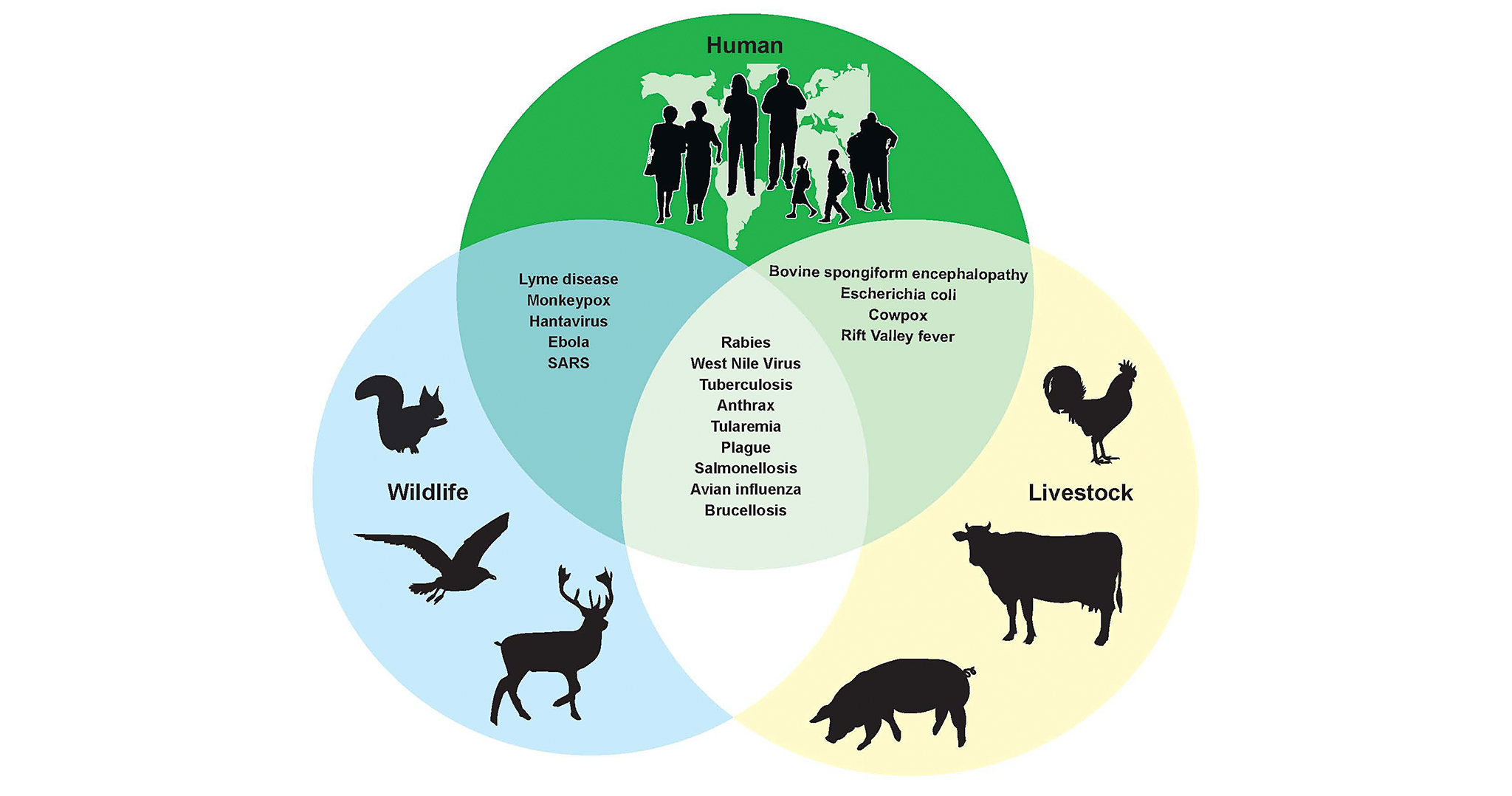
How can technology help in the fight against zoonisis? Aspiring vet, Erin Tan, did some research on the topic and shares what she thinks in this second article in a two-part series.
The web-based app Supramap uses genomic data to track the global movement of avian influenza virus.
Emerging technology can help in mainly two ways.
Firstly, through harnessing the power of Big Data, information from previous outbreaks, and studies conducted independently around the world, can be collated to help predict where a deadly zoonotic virus will strike next.
She will be reading Veterinary Medicine at Emmanuel College in the University of Cambridge.
The vast availability of health data today means that data must be intelligently handled, using the right tools to derive helpful trends.
For instance, Google Flu Trends collated data from users’ searches to estimate influenza activity, and was found to show strong correlation with official data collected by the Centers for Disease Control and Prevention during the 2009 flu pandemic.
The web-based app Supramap uses genomic data to track the global movement of avian influenza virus.
Google Flu Trends collated data from users’ searches to estimate influenza activity.
The word ‘zoonosis’ is not one that is popular in the common lexicon, and yet it is something that can affect our lives profoundly. Aspiring vet med student, Erin Tan, did some research on the topic and shares what she thinks in this two-part story.
A zoonosis is a disease which can be transferred from animals to humans, and there are many examples of zoonoses which many are familiar with.
About the Author
Erin Tan is an aspiring Veterinary Medicine student.
She has been offered a place to study Vet Med at the University of Cambridge, the Royal Veterinary College in London, and the Royal (Dick) School of Veterinary Studies at the University of Edinburgh.
She is still deciding which of these places to take up.
One has only to recall the SARS outbreak of 2003 to recognise the destructive potential of zoonoses.
Severe Acute Respiratory Syndrome (SARS), a disease which originated from viruses in bats that jumped to palm civets and then to humans, severely impacted countries like Hong Kong, China, Singapore, and even Canada.
774 lives were claimed globally by this never-before-seen disease.
Stories of doctors, nurses and other health workers who had perished saving the lives of SARS patients filled the papers.
International travel to affected areas dropped sharply by 50-70%, resulting in the closure of many tourism-related businesses.
The civet cat is closely associated with the outbreak of SARS in Asia.
Clearly, while the containment of SARS – especially in Singapore – is generally hailed as a success story, the outbreak did result in significant social and economic drawbacks.
The first day of the IFA GPC 2019 comprises a series of power briefs by industry leaders and analysts on the latest trends and products in consumer electronics and home appliances. Here is a rundown on what transpired in those proceedings.
Day 1 of the IFA GPC 2019 kicks off with the MC, Dave Graveline (right), handing the mic over to Jens Heithecker, Executive Director (IFA) & EVP (Messe Berlin Group), for the opening address.
This year, there are altogether 11 power briefings.
As I attend these sessions, I will post a brief synopsis of each session on Instagram and consolidate all the synopsis here.
Power Briefing by Philips on how to “#makeLifeBetter: From personal to personalised health”.
Philips is innovating in the field of data-driven insights into health, with its huge expertise in connectivity, big data and Artificial Intelligence. Announced was the Philips Sonicar Teledentistry Solutions. Philips Sonicare Teledentistry service provides patients with remote dental consultation from licensed dentists within 24 hours.
The Philips Sonicare app acts as a “virtual hub” for personal oral healthcare. Users can manage their complete oral care daily and share brushing data with their doctors, putting personalised guidance and advice at their fingertips.
Presenting was Marlies Cebetsberger, Personal Health Leader Philips Market DACH.
Pet ownership is on the rise, and so is telemedicine for humans. Is telemedicine also useful for diagnosis and treatment of animals? Aspiring vet med student, Erin Tan, did some research on the topic and shares what she thinks.
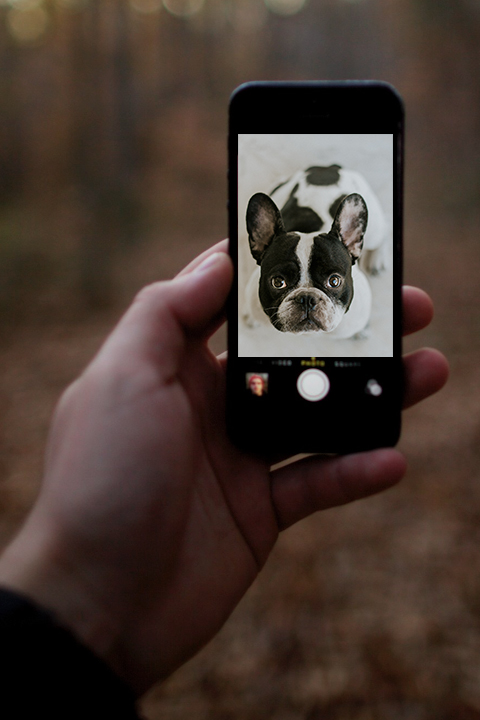
Consult a vet from home via the Internet. Photo by Velizar Ivanov on Unsplash.
Pet ownership is on the rise.
With canine pets licensed in Singapore increasing by 32% in the past decade – according to the Agri-Veterinary Authority of Singapore – and the booming pet industry in places like China and India, it is evident that pet owners form a large, and valuable, market.
With teleconsultation, the vet can “see to” animals needing medical consultations even when he/she is not in the clinic.
The pet-care market in Asia is valued at around US$1 billion a year, and is expected to grow to US$1.5 billion by 2020.
Another trend in recent years is the rise of telemedicine in the human health industry.
There has been a proliferation of apps like MaNaDr, Doctor Anywhere and MyDoc, which aim to connect patients with doctors over a digital platform and make the provision of healthcare much more convenient.
There is much potential in marrying the two thriving industries together, by making telemedicine available for veterinarians to deliver medical advice and consultations to pet-owners, through virtual means.
Manifestations of veterinary telemedicine would include platforms for pet-owners to ask vets for advice by sending photos and messages to vets on duty, or tele-consults via video calls.
We’ve all had that millennial moment where we are served a delicious looking dish and immediately stand up to take a photo. Sometimes it just looks too good not to. Food photographers are some of the most followed influencers on Instagram and for good reason: people love food. We love eating food, we love making food, and we love looking at food.
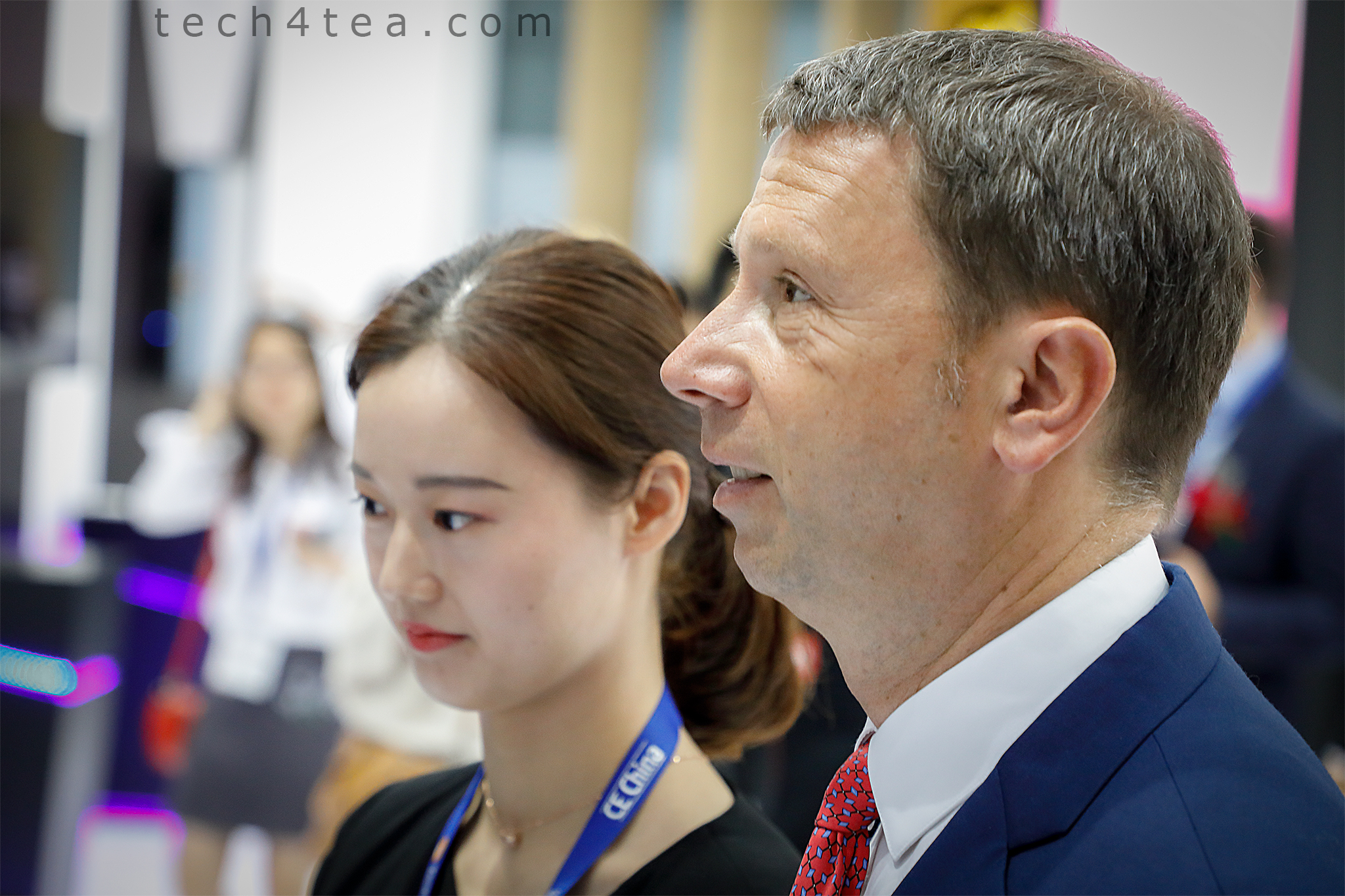
Jens Heithecker is the Chairman of CE China, IFA Executive Director and Executive Vice President Messe Berlin; while Dirk Koslowski is the IFA Senior Executive Manager at Messe Berlin.
Jens Heithecker is the Chairman of CE China, IFA Executive Director and Executive Vice President Messe Berlin.
Here are some thoughts from the men behind CE China 2018.
Question: In 2017, you had 120 exhibitors showcasing their innovations to 11,500 visitors from 38 countries, within one exhibition hall with 15,000 square metres of exhibition space. This year, the scale is similar. I understand CE China focuses more on quality and focus rather than on size, but in terms of future evolution, is this the ‘steady-state’ size of the show that you’re looking at for the next five years, or are you planning to scale it up in terms of size.
Koslowski: That’s correct. Anyone who has experienced CE China since its premiere in 2016 has witnessed the level of quality that the organisers of IFA pursue with our international retail events. It continues to be our objective to provide all our partners with the most efficient and effective platform for the continuous exchange between brands and retail, outside of political intentions and issues, purely focused on the core purpose of doing business.
Dirk Koslowski is the IFA Senior Executive Manager at Messe Berlin.
Koslowski: This does not necessarily go hand in hand with huge growth spikes in exhibition space, especially during the introductory phase. What matters more to us is a consistent, credible qualitative development that is based on partnerships – just like outlined above. We may be acting very German in this regard – however, that is exactly what we aspire to and what our partners expect from us.
Jens Heithecker on the roles and significance of CE China 2018.
Question: How do you envisage CE China 5 years from now, in 2023 – in terms of scale and nature? What is your vision for CE China in that timeframe?