For this second half of our commentary, we begin with an introduction of SerDes.
In today’s infotainment systems, it is common for in-vehicle cameras and displays to be connected to the image-processing electronic control unit (ECU) via a SerDes (serializer/deserializer) connection.
Future Prediction
More cameras, more connections, and more sensors with greater accuracy, less weight, and increased safety.
Undoubtedly, there will be a need for an in-vehicle network to seamlessly handle these challenges.
Those in-vehicle networks will need to be tested, they will need to be interoperable, and they will need to be secure.
Today, they are delivered by individual vendors using closed, proprietary standards.
Extending the reach of feature-rich SerDes links can require operating at lower Baud rates and higher order modulations (e.g. PAM-4).
In addition, it will require higher bandwidth Ethernet links as primary interconnects between zones, perhaps with 802.3ch support up to 10 Gbps throughput.
Emerging SerDes standards like mobile industry processor interface (MIPI) A-PHY (MIPI A-PHY is a physical layer specification targeted for ADAS/ADS surround sensor applications and Infotainment display applications in automotive) and Automotive SerDes Alliance (ASA) will be implemented by multiple silicon vendors.
This will create a competitive market that acts to drive down the cost while delivering application specific features.
Three rapidly advancing technologies are driving this collective race towards zero-emission e-mobility: wide-bandgap (WBG) devices, more power-dense batteries, and faster charging capabilities.
In this guest commentary, Hwee Yng Yeo from Keysight Technologies shares her insights into the great EV race.
GaN and SiC wide-bandgap power semiconductors facilitate a host of onboard EV power conversion applications. Image credit: Keysight Technologies.
Since its inception on a paper napkin more than a decade ago, Formula E has evolved rapidly as a motorsport with a mission.
Entertainment aside, this electric streetcar racing’s founding mission is to showcase sustainable mobility to the world, and it has done pretty well.
Editor’s Comments
The Electric Vehicle (EV) is the future of the automotive industry and Tesla has this week just become the first carmaker to be valued at US$1 trillion – the sixth American company to hit a trillion-dollar valuation.
The company is now worth more than the next nine most valuable public carmakers combined.
It’s the only motorsport to have ISO 20121 certification for net zero carbon footprint since its first race in Shanghai in 2014.
Getting the Formula E car into pole-position entails a lot of hardware and software technology to extract maximum efficiency from the electric vehicle’s (EV) powertrain and battery.
For the key automotive OEMs, it’s not just about getting their car across the checkered flag first.
With billions of R&D dollars poured into developing better EVs, the goal of participating automakers goes beyond the championship trophy.
Learnings from these high-intensity races are applied to improve electromobility technologies back in the R&D labs.
Three rapidly advancing technologies are driving this collective race towards zero-emission e-mobility:
wide-bandgap (WBG) devices
more power-dense batteries
faster charging capabilities
Efficient power conversion with WBG devices
A lot of power conversion takes place in the EV.
A DC-DC converter for example, steps down the power from the high-voltage EV battery to 12 V, with further conversions to run onboard systems like lighting, radio, and air-conditioning (see the diagram above).
The author of this article is Hwee Yng Yeo, the industry solutions manager for Automotive and Energy at Keysight Technologies.
WBG devices such as Silicon carbide (SiC) and Gallium nitride (GaN) semiconductors are used in transistors to facilitate this power conversion throughout the vehicle.
GaN applications are an emerging technology area, and developers find it hard to validate their design for these high-performance power converters.
Increased frequency and higher power affect the reliability of measurements needed to characterise the device’s performance.
It can be hard to distinguish whether the measured signal is the device’s characteristic or caused by the measurement setup.
IoT – or the Internet of Things – has been the buzzword for a while now and businesses are constantly on the lookout for ways to fast track their IoT adoptions and rollouts.
I spoke with Jitender Khurana to find out how a traditional lighting network can be harnessed to rapidly transform a dumb building into a smart IoT-enabled environment.
Jitender Khurana is the Country Head & Managing Director for Singapore and Emerging Markets at Signify. Photo: Signify.
I asked Jitender the key to Signify’s competitive advantage in helping its customers embrace IoT.
Three simple words: “Lighting is ubiquitous,” says Jitender, head honcho for Singapore and Emerging Markets at Signify.
“Lighting is ubiquitous,” says Jitender Khurana, head honcho for Singapore and Emerging Markets at Signify.
But how does that give Signify a leg up in helping businesses embrace IoT more quickly and easily?
Well, the most tedious aspect of rolling out an IoT implementation is typically the deployment of IoT sensors and the network connecting these sensors back to the IoT platform.
Laying the network for both power supply and data tends to be both costly and time-consuming.
For Signify – that network is simply the lighting network that forms the basic infrastructure of any building or facility.
As far as the world leader in lighting is concerned, “Where there’s light(ing), there can be an IoT sensor integrated into the luminaire”.
Joan Hu, Overseas Southeast Asia Director at Roborock, shares her insights into Roborock’s success and decision to expand into Southeast Asia.
Joan Hu is the Overseas Southeast Asia Director at Roborock.
To get an idea of Roborock’s journey thus far and its plans for the future, I asked Joan Hu six questions.
Q1. Roborock recorded a strong growth in China since its introduction. What do you think contributed to this?
In the robot vacuum market back in 2014, most available products only focused on the basic needs that came with a vacuum – cleaning.
We saw an opportunity to fulfill needs and wants that consumers didn’t know they had yet.
Hence, we grew our R&D department with a team of engineers, scientists, manufacturing experts and designers – all vital to create products that truly fit our users’ lifestyle.
Q2. Any new vacuum launches this year?
We have just launched the Roborock S6 MaxV in early 2020.
This is an upgrade of our popular Roborock S6, with increased suction power of up to 2,500 Pa (compared to the previous 2000 Pa) to clean even the most stubborn of dusts, especially those on carpets.
It also comes with an electronic water tank instead of a mop attachment for increased convenience and weighs lighter at just 7 lbs.
The latest S6 MaxV that Roborocklaunched in early 2020.
Q3. 2020 isn’t the most economically stable year. What factors contributed to Roborock’s decision to expand its influence to SouthEast Asia?
While we admit it has been a challenging year across all markets, we see this as a great opportunity to introduce our high tech products to our Southeast Asian consumers.
Microsoft Build 2020 was the first time the annual developers’ event was held completely online, because of COVID-19. Here are some interesting snippets from Microsoft CEO Satya Nadella during his keynote address for the conference.
“Already, we’ve seen something like two years’ worth of digital transformation in just two months. And we’ve seen how critical digital technology is in the three phases of this crisis, from emergency response to the recovery phase to the reimagining the world going forward,” said Satya Nadella, Microsoft CEO at Build 2020.
How has developers come together with those on the frontlines in the fight against COVID-19?
Here were some examples that Nadella highlighted.
At Johns Hopkins University, epidemiologists and software developers created a canonical dashboard to track the spread of COVID-19.
Adaptive Biotechnologies is using cloud compute and AI to decode the immune system’s response to the virus.
In the United Kingdom, a cross-section of manufacturers adjusted their production lines to build ventilators for the NHS, using mixed reality to guide workers through the process.
The NBA is using the power of the cloud and Xbox to engage fans and maintain the joy of the game.
What would developers need to be capable of going forward?
Atish Gude, NetApp’s Chief Strategy Officer shares three predictions for 2020, putting the spotlight on 5G, Blockchain and infrastructure virtualisation solutions.
* This article is contributed by Atish Gude, based on his professional experience and personal opinions.
What does 2020 hold in store?
2019 was a year of rapid innovation – and disruption – for both the IT industry and the broader business community.
With the widespread adoption of hybrid multicloud as the de-facto architecture for enterprise customers, organisations everywhere are under tremendous pressure to modernise their infrastructure and deliver tangible business value around data-intensive applications and workloads.
Multiclouds & Virtualisation
As a result, organisations are shifting from on-premises to leverage public cloud services, building private clouds, and moving from disk to flash in data centers – sometimes concurrently.
These transformations open the door to enormous potential, but also introduce the unintended consequence of rising IT complexity.
We predict that a demand for simplicity and customisability will be the number-one factor driving IT purchasing decisions in 2020.
Data-driven transformations
Vendors will need to provide customers modern, flexible technologies with the choice of how to use and consumes these technologies to meet evolving business models.
As IT departments look to de-emphasise maintenance and hardware, reduce overhead, and adopt pay-as-you-go models, simplicity and choice will be key.
Achieving this simplicity will serve as the foundation for companies as they navigate the exciting technological trends we’ve identified below.
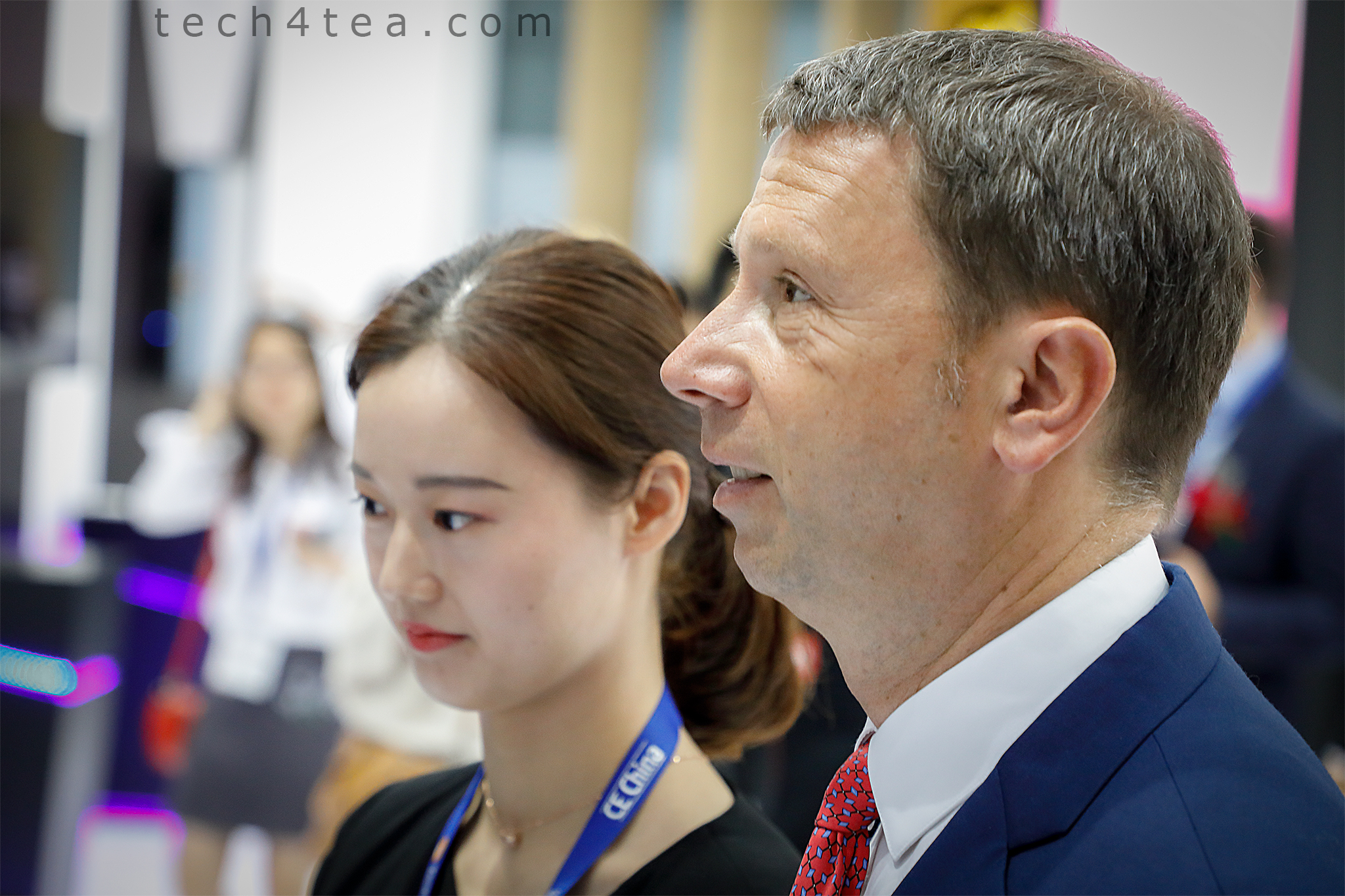
Jens Heithecker is the Chairman of CE China, IFA Executive Director and Executive Vice President Messe Berlin; while Dirk Koslowski is the IFA Senior Executive Manager at Messe Berlin.
Jens Heithecker is the Chairman of CE China, IFA Executive Director and Executive Vice President Messe Berlin.
Here are some thoughts from the men behind CE China 2018.
Question: In 2017, you had 120 exhibitors showcasing their innovations to 11,500 visitors from 38 countries, within one exhibition hall with 15,000 square metres of exhibition space. This year, the scale is similar. I understand CE China focuses more on quality and focus rather than on size, but in terms of future evolution, is this the ‘steady-state’ size of the show that you’re looking at for the next five years, or are you planning to scale it up in terms of size.
Koslowski: That’s correct. Anyone who has experienced CE China since its premiere in 2016 has witnessed the level of quality that the organisers of IFA pursue with our international retail events. It continues to be our objective to provide all our partners with the most efficient and effective platform for the continuous exchange between brands and retail, outside of political intentions and issues, purely focused on the core purpose of doing business.
Dirk Koslowski is the IFA Senior Executive Manager at Messe Berlin.
Koslowski: This does not necessarily go hand in hand with huge growth spikes in exhibition space, especially during the introductory phase. What matters more to us is a consistent, credible qualitative development that is based on partnerships – just like outlined above. We may be acting very German in this regard – however, that is exactly what we aspire to and what our partners expect from us.
Jens Heithecker on the roles and significance of CE China 2018.
Question: How do you envisage CE China 5 years from now, in 2023 – in terms of scale and nature? What is your vision for CE China in that timeframe?
In less than 100 days, the grace period for businesses to get themselves General Data Protection Regulation (GDPR) compliant will end. While the GDPR might be an EU regulation, its impact is guaranteed to be felt by all organisations that conduct business with the EU.
This guest blog was contributed by Raymond Goh, Head of Systems Engineering, Asia & Japan at Veeam Software.
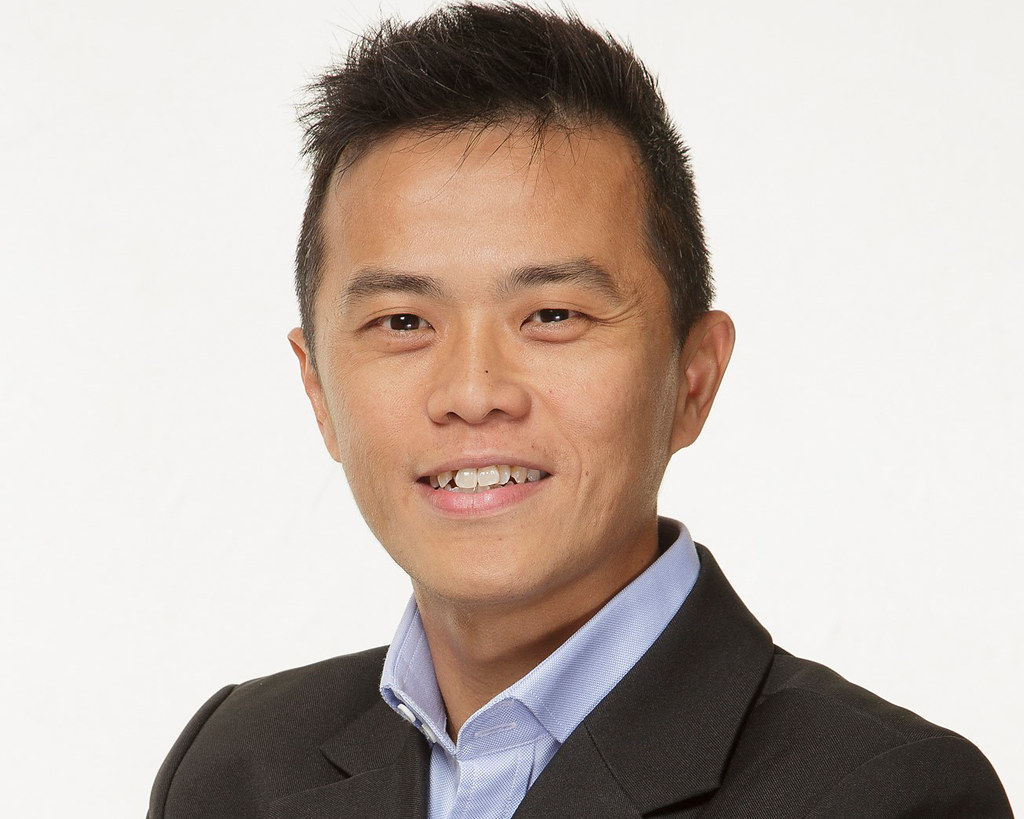
Raymond Goh, Head of Systems Engineering, Asia & Japan at Veeam Software.
Asia represents an active and growing market for EU.
ASEAN, in particular, is EU’s third largest trading partner outside of Europe, and has been recognised for its high growth potential, with EU companies investing an average of €19 billion annually in the region.
Check for any personally identifiable information (PII) of EU residents
Manage Sensitive Information
Protect your Data
Strong business relations between EU and Asia highlight the importance of the GDPR to all Asian organisations, and the clock is ticking for corporations to ensure they meet the stringent criteria before 25 May arrives.
GDPR compliance is unique to each company as each company is unique, but below are three tips to get you started.
In this fast-paced, fast-changing world, what are the attributes that employers look out for in potential employees? Here are three that Chief Operating Officer of Virtusa – Keith Modder – looks out for when he recruits.
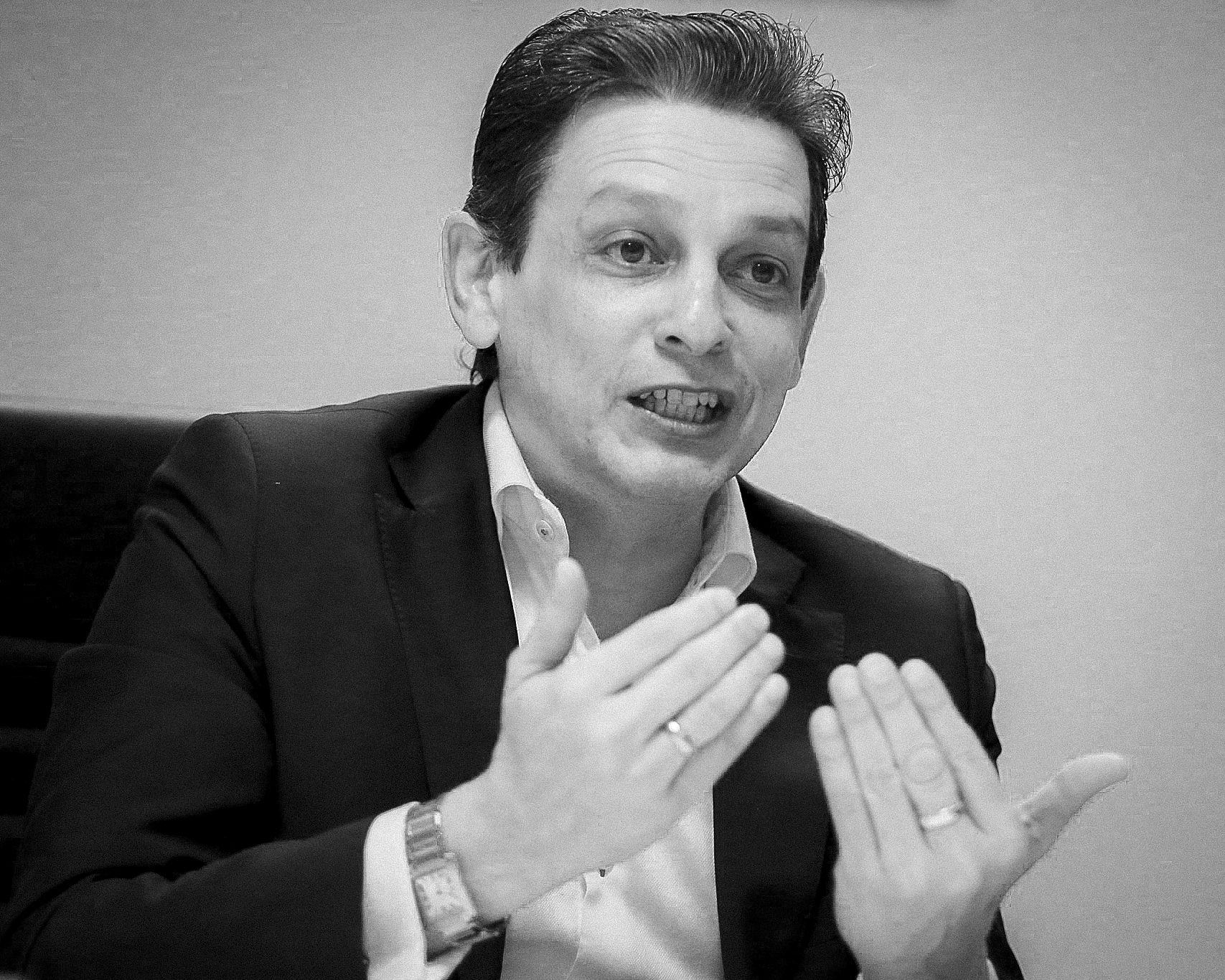
Roger Keith Modder has been an Executive Vice President & Chief Operating Officer of Virtusa Corp since May, 2011. Photo: Virtusa.
Virtusa is a global IT consultancy & outsourcing services corporation headquartered in the US with offices across four continents and delivery centers in around the world.
The company’s COO, Keith Modder was in Singapore yesterday to inaugurate the opening of a new technology centre at its regional headquarters here.
One of the aims of enlarging the billion-dollar company’s business footprint is to enhance recruitment of local talent by tapping into the talent pool generated by the universities here.
I spoke with him when he was in Singapore and he shared his thoughts (see below) on what he looks for in a potential employee.
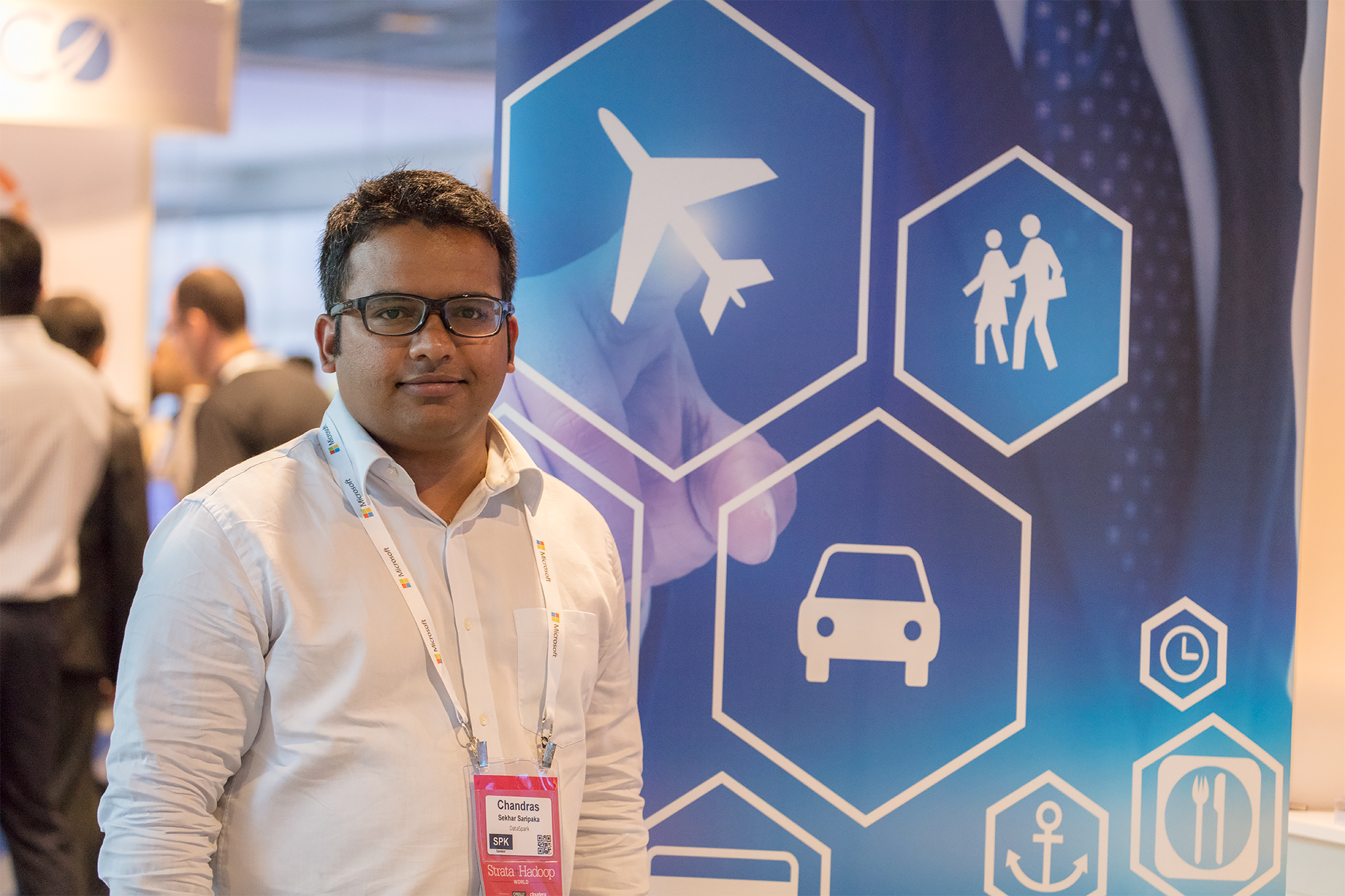
Chandra has had an illustrious career since graduating from the Jawaharlal Nehru Technological University in Hyderabad, India.
He began his career with Laser Soft Infosystems (a Polaris company) in 1995 where he progressed rapidly to become a senior software engineer leading a team of 13 before joining Franklin Templeton Investments one-and-a-half years later as a senior software analyst.
Chandra went on to join OpenText as an Advanced Software Engineer for two years, Standard Chartered Bank as a Senior Software Engineer and Framework Specialist for a further two years, and Barclays Investment Bank as a Big Data Lead for a year – before commencing his current job with Singtel and DataSpark in May 2014 as a Data Scientist.
As a Senior Data Engineer with DataSpark, he was one of two speakers from the company who participated in Strata + Hadoop World 2016 in Singapore, a conference which attracted the top minds around the world working on Big Data and analytics.
Chandra spoke on how to go “from telco data to spatial-temporal intelligence APIs”, by “architecting through microservices”.
He explained in detail the production architecture at DataSpark and how it works through terabytes of spatial-temporal telco data each day in PaaS mode.
Chandra also shared with fellow data scientists attending his talk how the platform operates in SaaS mode.
Chandra’s in-depth knowledge of Big Data makes him the best person to give pointers to an aspiring IT engineer in the field.
I’ve asked Chandra to share his valuable insights on carving a career in this intensely competitive arena.
What must today’s IT worker do to get a foothold in Big Data?
Chandra:There is a paradigm shift in the way traditional software is being transformed into data-driven software.
With the rise of many small and medium startups in the market, various cloud-ready tools – in terms of storage, compute, processing and visualisation – have emerged.