Archive for the ‘Software’ Category

Dell offers end-users power to do more

Wednesday, July 4th, 2012

Dell tackles current trends of workforce mobility and consumerisation of IT by offering a complete end-to-end ecosystem of end-point devices, solutions and services – to bestow maximum productivity to end-users in our fast-paced environment.

Chue Chee Wei, Marketing Director, South Asia and Korea Marketing for Dell.

Chue Chee Wei, Marketing Director, South Asia and Korea Marketing for Dell.

I was invited by Dell to listen to how the computer maker envisages the technology landscape and how it plans to cater to different end-users with very different needs.

Slide 1: Changing technology landscape and end-user profile.

Slide 1: Changing technology landscape and end-user profile.

Chue Chee Wei, Marketing Director, South Asia and Korea Marketing for Dell, gave a quick rundown of how the technology landscape and user profile are trending (see Slide 1).

Slide 2: Transformation of computing

Slide 2: Transformation of computing.

As a result of the changing landscape, work computing is undergoing transformation from the traditional highly-controlled and rigid framework – to one in which employees are given much more flexibility in terms of the devices they can use, the level of access, and the ability to access corporate IT anytime, anywhere (see Slide 2).

The organisational challenges to change and adapt current entrenched enterprise IT frameworks and practices are giving many a CIOs sleepless nights, worrying about potential security compromises on the road to recent phenomenons such as BYOD (Bring Your Own Devices).

Organisational challenges facing the CIO.

Slide 3: Organisational challenges facing the CIO.

Chue sees two main tracks in tackling these organisational challenges – managing technology and managing people (see Slide 3).

Chue’s vision for Dell end-user computing

“End-user computing is about delivering open, capable and affordable solutions for an evolving workforce,” says Chue Chee Wei, Marketing Director, South Asia and Korea Marketing for Dell.

To help enterprises and end-uses surmount these challenges, Dell is also placing much emphasis in enabling this transformation.

The company has taken on a customer-inspired design approach across a complete portfolio of systems, services and solutions.

It strives to ensure a seamless experience across multiple devices, operating systems and applications.

And it aims to provide tailored solutions optimised for management, security and productivity.

Simplify technology & people management, improve productivity.

Slide 4: Simplify technology & people management, improve productivity.

As a result, technology and people management are simplified while productivity is improved (see Slide 4).

Chue emphasised that Dell does a lot more than making computers.

Dell’s solution continuum.

Slide 5: Dell’s solution continuum.

It delivers a solution continuum that spans desktop virtualisation, mobility & collaboration, management, security and cloud, service and support (see Slide 5).

Some of these are provided by companies that were – leaders in their areas of expertise – that Dell has acquired over the years.

Dell’s updated line-up.

Slide 6: Dell’s updated line-up.

Dell’s updated computing line-up

Dell also set up and briefed on its updated line-up of computers (see Slide 6). These comprises a whole range of notebooks and desktops that cater to the computing needs of different end-users.

Of note is that Dell is positioning its high-end XPS ultrabooks – which has traditionally been targeted towards consumers – to attract corporate users looking to use their personal high-spec’ed notebooks for work as well.

This is indeed a shrewd cross-over move by Dell to exploit the BYOD phenomenon.

(Slides provided by Dell. Click to enlarge.)

New Android smartphones: Samsung Ace 2 and beam

Tuesday, July 3rd, 2012

Samsung has launched two new Android 2.3 (Gingerbread) smartphones. Both the GALAXY Ace 2 (S$438) and GALAXY beam (S$648) will be available in July. Prices include GST but excludes line contract.

GALAXY Ace 2 (left, S$438) and the GALAXY beam (right, S$648).

GALAXY Ace 2 (left, S$438) and the GALAXY beam (right, S$648).

You’ve seen the Nikon compact camera that comes with a built in projector. Now there is a smartphone that comes with a built-in projector – the GALAXY beam.

GALAXY beam

The built-in projector of the GALAXY beam lets users spontaneously share photos, videos or other digital media with family or friends by beaming content stored on the device directly onto walls, ceilings or improvised flat surfaces.

The GALAXY beam comes with a built in 15 lumens projector.

The GALAXY beam comes with a built in 15 lumens projector.

No need to huddle around a tiny smartphone or tablet screens. Project full-screen video clips at up to 50 inches wide with the GALAXY beam’s bright 15 lumens projector.

Both smartphones run on Android 2.3 (Gingerbread) and will ship in July.

Both smartphones run on Android 2.3 (Gingerbread) and will ship in July.

Other than that, the GALAXY beam has a 4-inch (480×800 WVGA) TFT display, 5-megapixel AF rear camera with flash, and a 1.3-megapixel front camera.

A large 2,000mAH battery feeds the projector. Despite having a built-in projector, the GALAXY Beam is only 12.5mm thick, and comes with a USB 2.0 port and 8GB of internal memory, as well as a microSD slot for up to 32GB of external memory.

The GALAXY beam will be available from 7 July at S$648.

GALAXY Ace 2

The GALAXY Ace 2 is the affordable successor to the GALAXY Ace from last year.

With a 3.8-inch (480×800 WVGA) PLS TFT display, it has a 5-megapixel AF rear camera with flash, and a VGA front camera.

The GALAXY Ace 2 has a 1,500mAH battery and comes with a USB 2.0 port and 4GB of internal memory, as well as a microSD slot for up to 32GB of external memory.

The GALAXY Ace 2 will be available in July at S$438.

Samsung rolls out locally developed edutainment apps

Tuesday, July 3rd, 2012

Samsung has rolled out more than 40 new interactive edutainment apps in partnership with Singapore developers. These apps will be available on Samsung smart mobile devices.

Overview of content strategy and edutainment apps by Winston Goh, Senior Product Marketing Manager, Mobile Communications, Samsung Asia

Overview of content strategy and edutainment apps by Winston Goh, Senior Product Marketing Manager, Mobile Communications, Samsung Asia

The 40 new apps are entertaining, intuitive, social and visual in nature and allows users to engage in self-learning experiences, whether at home or on-the-go.

The suite of edutainment apps includes:

  • Mandarin Speaking Skills for Kids: comprises speech interactive exercises to build Mandarin speaking skills for kids from Primary 1 to 6.
  • Zalairos Adventures: comprises 25 e-books for kids aged between 5-10 years old to improve vocabulary, reading and comprehension skills.
  • Skoolbo Core Skills: comprises more than 50,000 questions designed for kids aged between 4-10 years old to improve mathematics and language skills.
  • PREPTEST: standardized self-assessment modules and admission guidelines for GMAT (Graduate Management Admission Test), SAT (Scholastic Aptitude Test) and more.

Samsung is working with the developer community to promote the creation of interesting educational content.

The company commits the tools, resources, technical content and support that app developers require, to create rich applications optimised for its GALAXY range of tablets and smartphones, as well as the GALAXY Note.

The local app developers that Samsung is working with for this range of edutainment apps are B-Secure Technologies, Prep Zone, iQ-hub and Skoolbo.

Some of these apps, such as those developed by B-Secure Technologies and Prep Zone will be made exclusively available on Samsung mobile devices.

The launch was held at Samsung’s store at Vivocity.

I tried out some of the apps during the launch and it’s quite impressive what our local developers are capable of.

Also launched at the event were Samsung’s two new GALAXY smartphones.

These are the GALAXY beam (S$648) and the GALAXY Ace 2 (S$438).

Both are based on Android 2.3 (Gingerbread) and will be available this month.

The list of Edutainment Applications and their availability date are listed below.

(more…)

Preview of Windows Phone 8

Thursday, June 21st, 2012

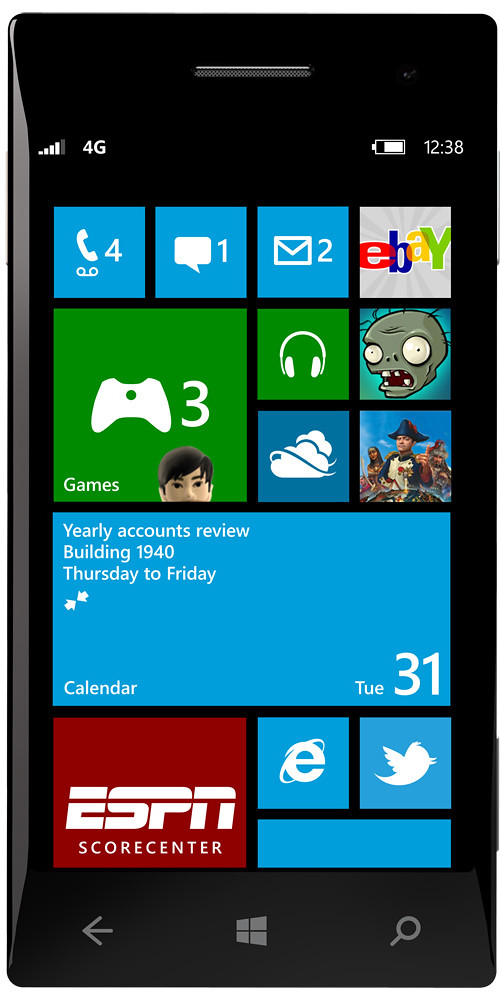
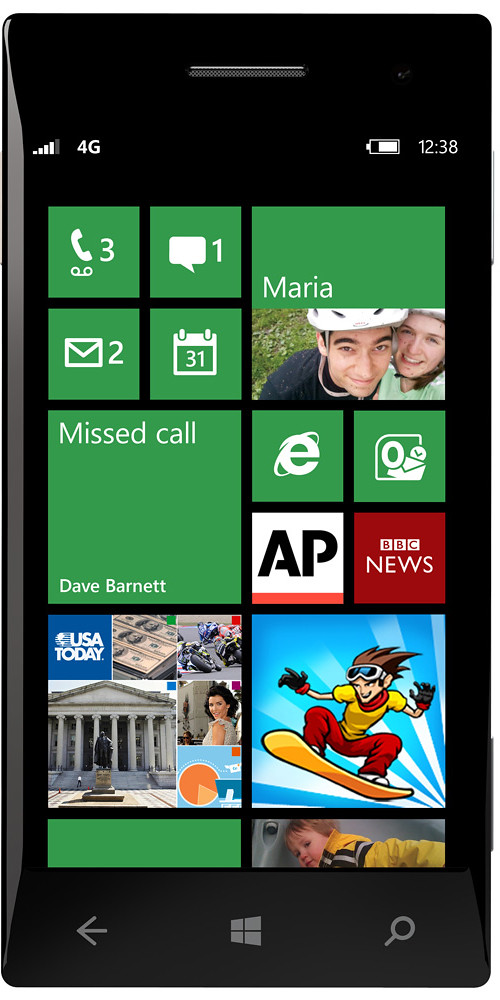
Windows Phone 8 will get a Start screen facelift; share technology core with Windows 8; support for NFC, in-app purchases and eWallet; more developer tools; and better security for enterprise use.

But existing Windows Phone 7.5 users will only get the revamped Start screen through an upgrade to Windows Phone 7.8.

Microsoft gave a preview of what Windows Phone 8 will be at the Windows Phone Summit in San Francisco.

Windows Phone 8 will probably arrive end of the year although it’s anybody’s guess when Windows Phone 7.8 will be available.The immediate cosmetic change to the user-interface is the Start screen.

In addition to the current square tiles and rectangular (twice the width of the square tiles) tiles, there is now a third size for tiles.

This is what I call the “mini-square” tile. Each of these is a square tile a quarter the size of the original square tile.

Microsoft gave a preview of what Windows Phone 8 will be at the Windows Phone Summit in San Francisco.Whereas Windows Phone 7.5 does not allow users to specify which tile to use for an app – Windows Phone 8 will let users specify which tile size to use for each app.

Bigger tile for more frequently used apps (or to display more live information), and smaller tiles for less used apps.

The smaller tiles also allows more tiles/apps to be displayed on each screen to minimise scrolling.

The future of Windows Phone: Windows Phone 8Existing Windows Phone 7.5 users will get this revamped Start screen through an upgrade to Windows Phone 7.8 (no date given), but that’s pretty much all they’ll get – they will NOT be able to upgrade to Windows Phone 8 when it becomes available end of the year.

Yes, some who have just bought spanking new Windows 7.5 phones are complaining that they’re now landed with “obsolete” handsets.

Microsoft says that Windows Phone 8 is a generation shift in technology so it will not run on existing hardware.

Read more details about Windows Phone 8 on the official Windows Phone Blog.

Video conferencing from Vidyo

Thursday, June 21st, 2012

During CommunicAsia2012, I took a look at the telepresence solutions provided by Vidyo.

They offer at affordable prices full telepresence solutions with 9 screens to soft-client applications that allow individuals to join a video conference session via their personal smartphone, tablet, notebook or desktop computer.

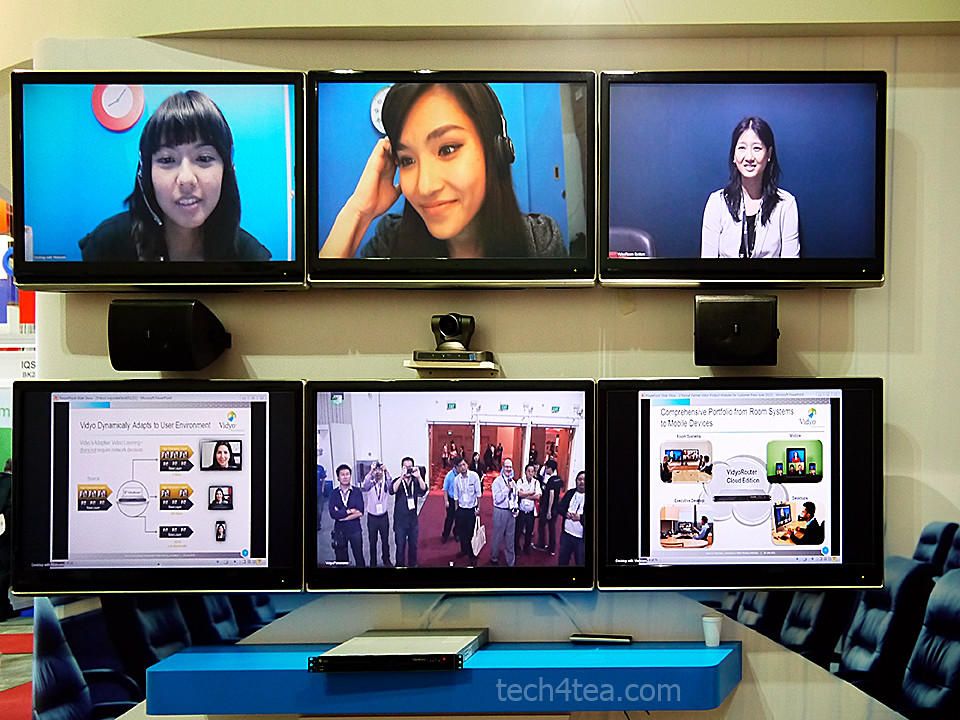
VidyoPanorama set up with six screens, two of which are used to share data/slides. The thin console at the bottom is the VidyoRouter.

VidyoPanorama set up with six screens, two of which are used to share data/slides. The thin console at the bottom is the VidyoRouter.

Vidyo is a US-based company that offers personal and mobile telepresence solutions for individuals and telepresence solutions for enterprises.

Marty Hollander, Senior Vice President, Market Development at Vidyo. Here he's showing VidyoMobile on an iPad endpoint.

Marty Hollander, Senior Vice President, Market Development at Vidyo. Here he's showing VidyoMobile on an iPad endpoint.

Many systems on the market today require an initial cost of $150k for a 3-screen dedicated room with an ongoing monthly fee of $10k per month.

Using these systems, a 3-hour video conferencing call from three sites could cost $3,600,

Vidyo claims its solutions would cost only a fraction – in most cases only a tenth.

It does this by controlling access and delivery with innovative components that turn ordinary IP networks into sophisticated yet affordable video communication systems.

The infrastructure that enables this comprise the VidyoRouter, VidyoPortal, VidyoGateway and VidyoReplay.

The conferencing endpoints, on the other hand, consists of VidyoMobile, VidyoDesktop, Vidyo Executive Desktop, VidyoRoom and VidyoPanorama.

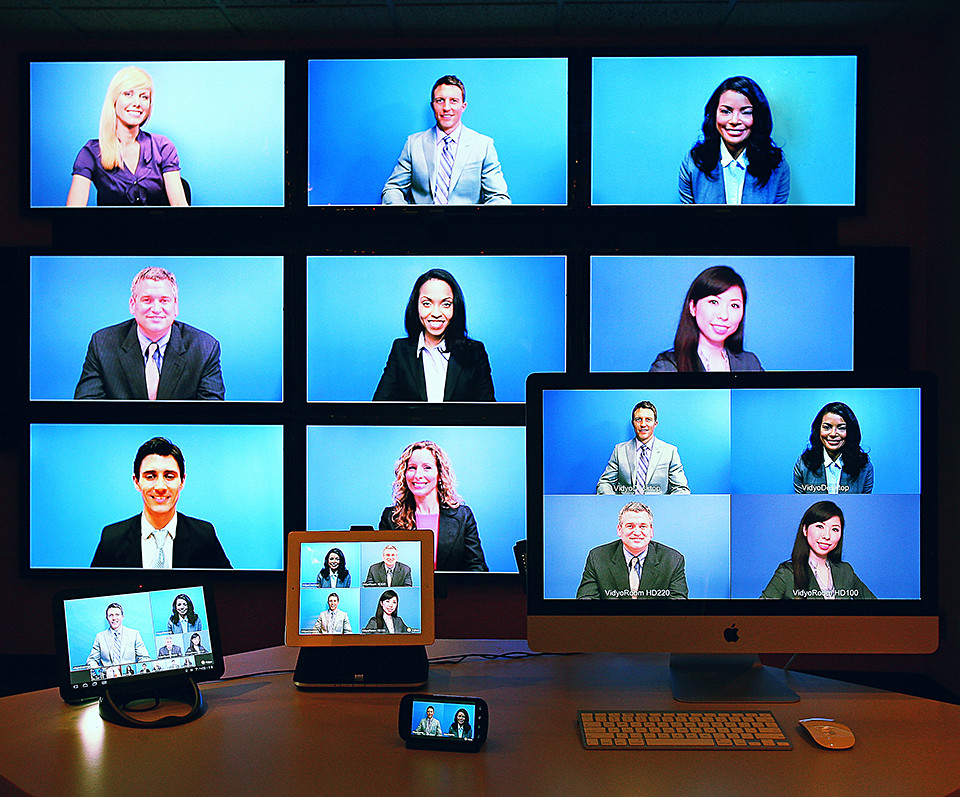
A maximum 9-screen VidyoPanorama room setup, together with VidyoMobile clients (Android and iOS smartphones and tablets), and VidyoDesktop on a 1440p Mac monitor.

A maximum 9-screen VidyoPanorama room setup, together with VidyoMobile clients (Android and iOS smartphones and tablets), and VidyoDesktop on a 1440p Mac monitor.

You can find details of each of the above components in the brochure that I’ve attached at the end of this post.

Vidyo had the VidyoPanorama (with 6 monitors) system and VidyoMobile/VidyoDesktop clients set up to show how it works and the performance and latency (or lack of) involved.

They had temps manning some of the endpoints so that visitors like myself could video-conference with them.

The performance was pretty good. Resolution was good and there wasn’t any noticeable latency.

I like the patented Adaptive Video Layering technology underpinning the solutions.

Essentially, the VidyoRouters dynamically optimises the video stream for each endpoint based on its capabilities and its local network conditions and bandwidth.

H.264 Scalable Video Coding (SVC)-based compression technology and Vidyo’s Adaptive Video Layering removes the need for transcoding by the Multipoint Control Unit (MCU) in traditional systems, offering high error resilience and low latency rates over the Internet, LTE and 4G networks.

This allows VidyoPanorama to connect over low-cost broadband networks with participants from any location.

The optional VidyoGateway extends the solution to existing H.323 and SIP endpoints; and clients using other videoconferencing systems – such as those from Cisco or Polycom.

(more…)

New Android smartphones: Sony Xperia ion and neo L

Wednesday, June 20th, 2012

Sony Mobile has unveiled another two new Android 4.0 (Ice Cream Sandwich) smartphones. The Xperia ion takes over the flagship role from the Xperia S, while the Xperia neo L is a follow-up to the Xperia neo V.

Both smartphones will be available in Indonesia, Malaysia and Singapore in calendar Q3 2012.

New flagship from Sony Mobile: Xperia ion; and the Xperia neo L.

New flagship from Sony Mobile: Xperia ion; and the Xperia neo L.

The Xperia ion and Xperia neo L were launched today as part of Sony Mobile’s South East Asia debut of a slew of six new Xperia smartphones.

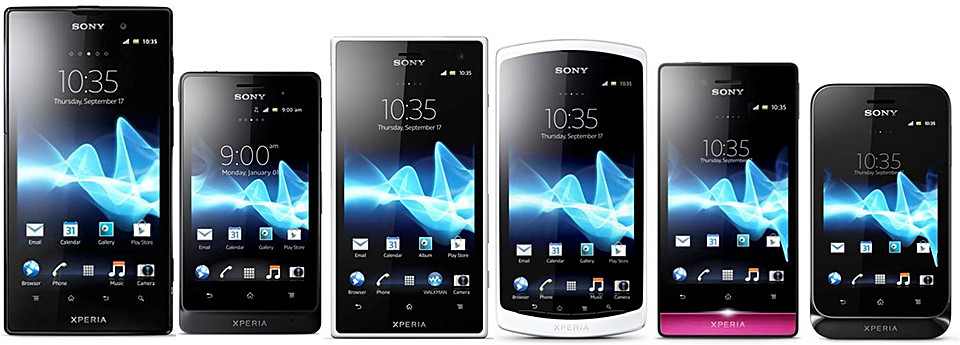
The Xperia ion and Xperia neo L are part of a slew of six that debuted in SE Asia today. From left: Sony Xperia ion, go, acro S, neo L, miro, and tipo.

The Xperia ion and Xperia neo L are part of a slew of six that debuted in SE Asia today. From left: Sony Xperia ion, go, acro S, neo L, miro, and tipo.

The other four phones were the Xperia go, Xperia acro S, Xperia miro and Xperia tipo.

They had been unveiled progressively over the past two weeks.

The Xperia ion has a massive 4.6-inch display (1280 x 720 pixels on a 16-million colour TFT), and a high-capacity embedded 1,900mAH battery.

Both the rear (1080p) and front (720p) cameras are HD capable.

The 12-megapixel rear camera boasts a quick sleep-to-snap speed of just over a second via a single key press.

The Xperia ion will be available in black in Singapore; and in black and red in Malaysia and Indonesia.

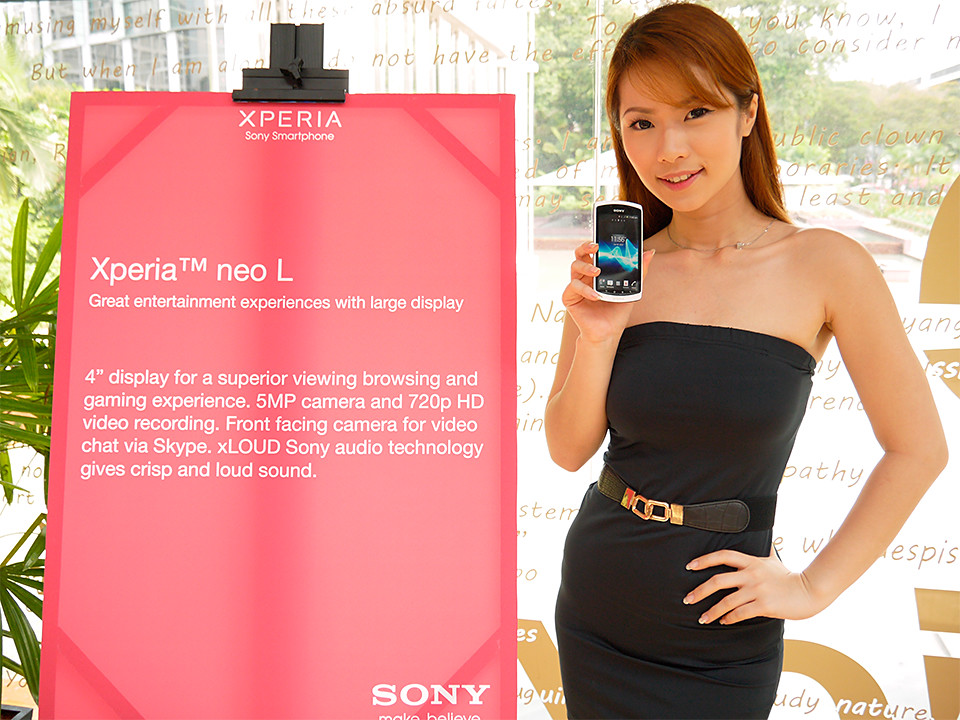
Sony Xperia neo L

Sony Xperia neo L

The Xperia neo L has a 4-inch display (480 x 854 pixels on a 16-million colour TFT), a 5.1-megapixel (720p) rear-camera, VGA front camera, and a 1,500mAH battery.

It has a sleek curved back design and glossy finish; and incorporates Sony’s xLoud technology for crisp and loud sound.

The Xperia neo L is available in Singapore, Malaysia and Indonesia in both black and white.

The tech specs for the Xperia ion and Xperia neo L can be viewed/downloaded below.

(more…)

Event: Sony Mobile debuts six new Xperia Android smartphones for South East Asia

Wednesday, June 20th, 2012

The six new models are: Xperia go, acro S, miro, tipo, ion, and neo L. The first four models were announced over the last two weeks, while the Xperia ion and neo L were unveiled today.

All six phone models will be available in Indonesia, Malaysia and Singapore in calendar Q3 2012.

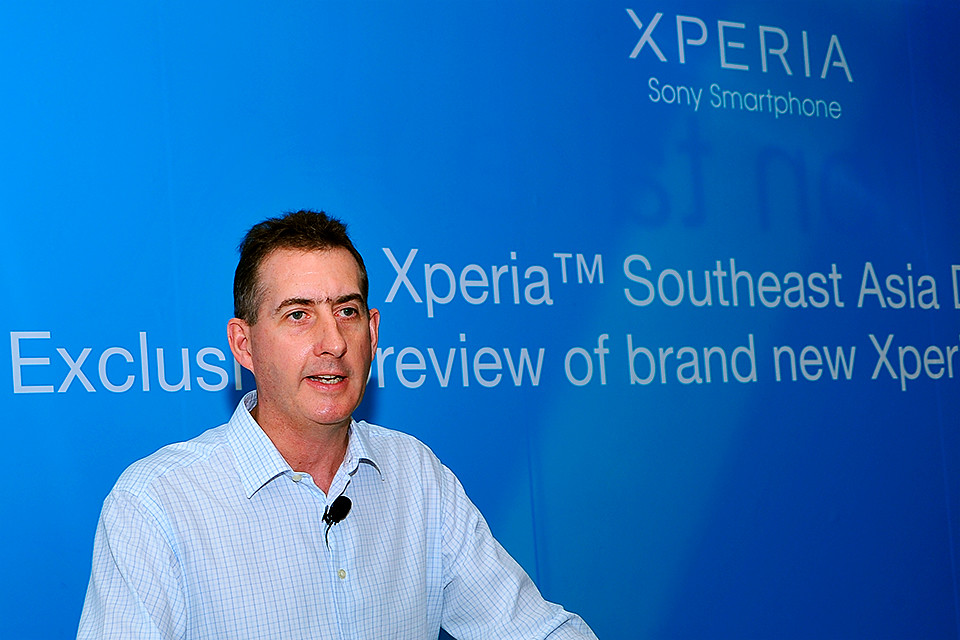
Mathew Lang, Corporate Vice President and Head of SEA & Oceania Customer Unit, Sony Mobile at the event at Art Palates Café, Istana Park, Singapore.

Mathew Lang, Corporate Vice President and Head of SEA & Oceania Customer Unit, Sony Mobile at the event at Art Palates Café, Istana Park, Singapore.

The Xperia ion is the new flagship smartphone for Sony Mobile.

Its 4.6-inch display is bigger than that of the 4.3-inch in the previous flagship Xperia S.

Water resistant Sony Xperia acro S. Don’t try this at home.

Water resistant Sony Xperia acro S. Don’t try this at home. Photo taken with Panasonic LUMIX DMC-GF5.

The Xperia ion also includes a microSD card expansion slot for up to 32GB – which was absent in the Xperia S.

The Xperia go and Xperia acro S are stylish, durable and water-resistant.

They are supposedly water-proof up to a depth of 1m.

The Xperia miro offers deep Facebook integration and features Sony’s xLOUD audio technology together with the Xperia neo L.

The Xperia tipo comes in both single and dual SIM versions.

The latter allows one-touch switching between two numbers through a dedicated network switch button on the phone.

All six models either ship with Android 4.0 installed or can be upgraded over-the-air to Android 4.0.

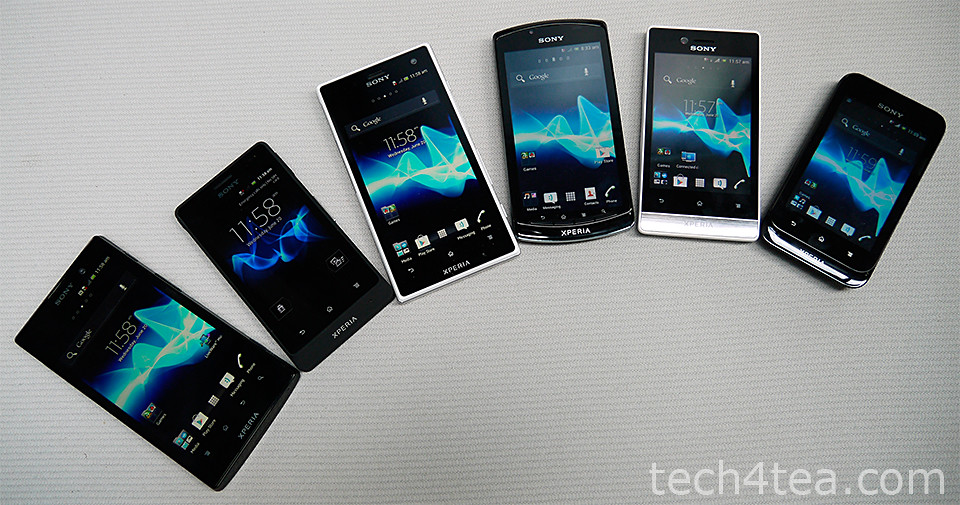
The six new Android smartphones debuting in SE Asia in Q3 2012: Sony Xperia ion, go, acro S, neo L, miro, and tipo.

The six new Android smartphones debuting in SE Asia in Q3 2012: Sony Xperia ion, go, acro S, neo L, miro, and tipo. Photo taken with Panasonic LUMIX DMC-GF5.

With such a range of smartphones catered to different tastes and needs, Xperia fans willl be spoilt for choice when shopping for their next smartphone.

Below are the technical specifications for the six Xperia smartphones from Sony Mobile.

(more…)

New tablets: Microsoft unveils two Surface tablets

Tuesday, June 19th, 2012

Microsoft has unveiled two 10.6-inch Windows tablets and accessories.

One model will run on Windows RT and will be released with the general availability of Windows 8. The other tablet will be available about 90 days after and feature Windows 8 Pro.

Update 2 (1 March, 2013):

Microsoft has announced that beginning late March the rollout of Surface will continue over the next few months.

Surface RT with Windows RT will reach Japan, Mexico, New Zealand, Russia, Singapore and Taiwan.

Surface Pro with Windows 8 Pro will hit Australia, China, France, Germany, Hong Kong, New Zealand and the United Kingdom.

Update 1 (18 July, 2012):

Microsoft’s Steven Sinofsky has just announced at its annual sales meeting that customers will be able to get Windows 8 on 26 October, 2012. This will be available both as an upgrade or on a new PC.

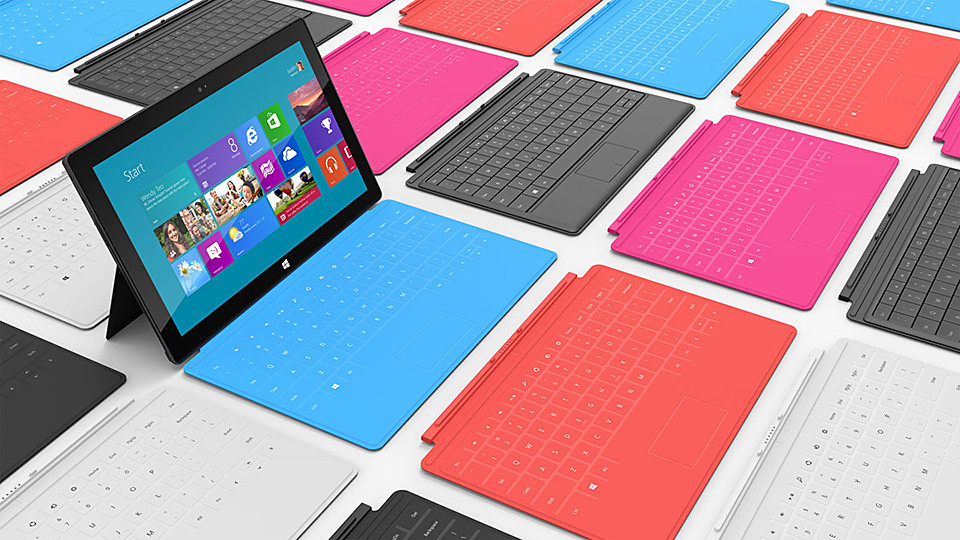
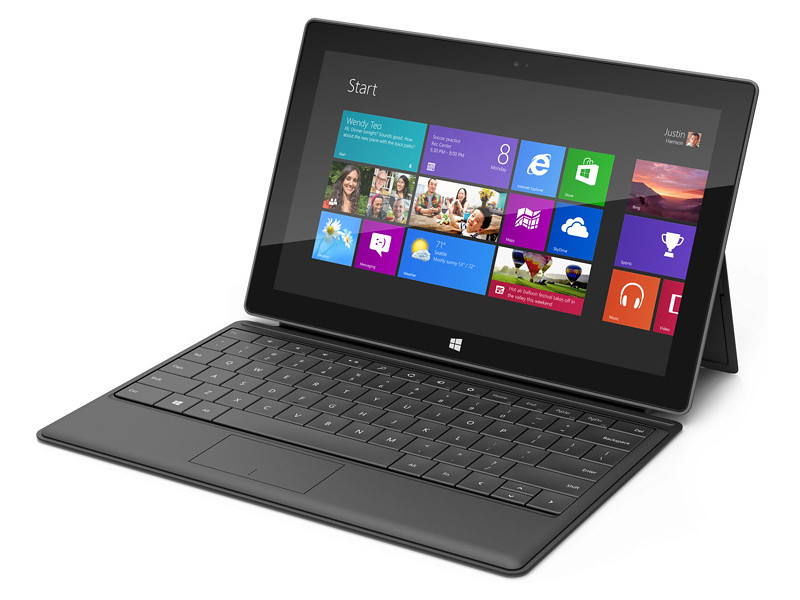
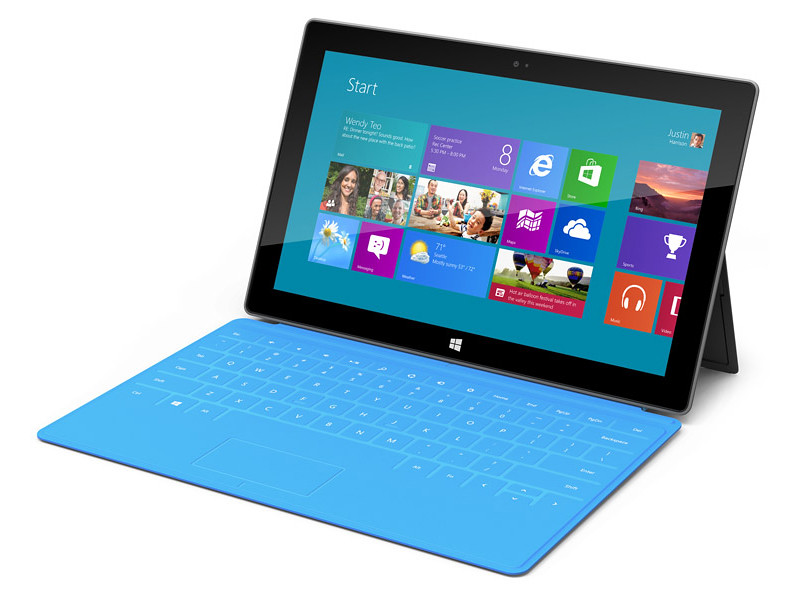
Microsoft finally joins the fray by unveiling its 10.6-inch Surface tablets.

Microsoft finally joins the fray by unveiling its 10.6-inch Surface tablets.

The Windows RT Surface tablet will run on an ARM processor, while the Windows 8 Pro version will have a third-generation Intel Core processor.

The Touch Cover and Type Cover double up as keyboards.

The Touch Cover and Type Cover double up as keyboards.

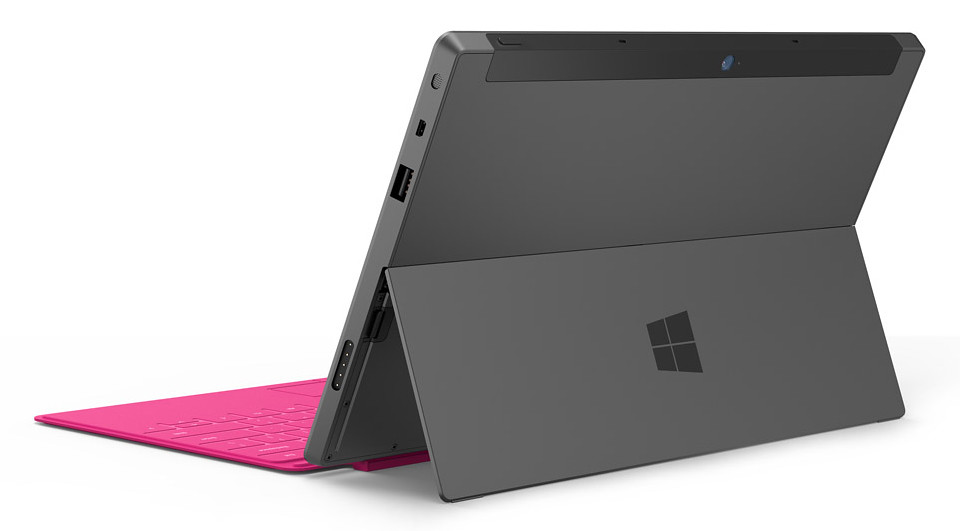
Each Surface tablet will have a full-sized USB port, a microSD slot, and a 16:9 aspect ratio; with edges angled at 22 degrees.

The casing of Surface is created using VaporMg (pronounced Vapor-Mag), where metal and deposit particles are molded to create a finish akin to luxury watches.

Starting with magnesium, parts can be molded as thin as .65 mm, thinner than the typical credit card, to create a product that is thin, light and rigid/strong.

The VaporMg materials and processes has enabled the thin and sleek design of the Surface tablets.

The VaporMg materials and processes has enabled the thin and sleek design of the Surface tablets.

This also enables an extremely thin built-in kickstand to prop the tablet up when watching movies or video conferencing with the HD front- or rear-facing video cameras.

The integrated, built-in kickstand removes the need for a separate accessory.

The integrated, built-in kickstand removes the need for a separate accessory.

I like the idea and design of this integrated kickstand.

To transform the tablet into a “notebook”, a 3 mm Touch Cover uses pressure-sensitive technology to sense keystrokes as gestures, allowing users to touch type significantly faster than on an on-screen keyboard.

The Touch Cover will be available in a selection of vibrant colors. It clicks into the Surface tablet via a built-in magnetic connector, forming a natural spine like you find on a book, and doubles up as a protective cover.

The Touch Cover and Type Cover comes in many vibrant colours.

The Touch Cover and Type Cover comes in many vibrant colours.

Alternatively, users can click in a 5 mm-thin Type Cover that adds moving keys for a more traditional typing feel.

Retail pricing will be announced closer to availability but is expected to be competitive with a comparable ARM tablet or Intel Ultrabook-class PC.

OEMs will have cost and feature parity on Windows 8 and Windows RT.

Oh and if you’re interested in a 40-inch tablet, check out the Samsung SUR40 for Microsoft Surface. (I haven’t heard anyone else calling THAT a tablet yet).

The main technical specifications of the two Surface tablets are tabulated below.

(more…)

Camera-less BlackBerry Curve 9360 arrives in Singapore

Monday, June 18th, 2012

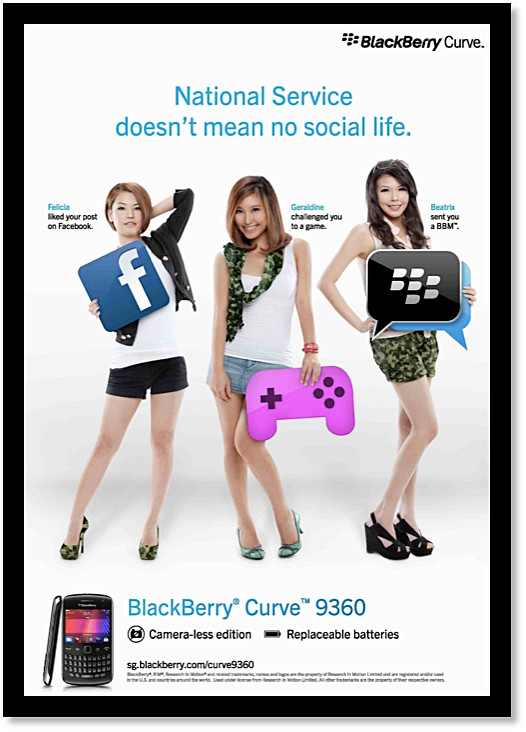
The camera-less BlackBerry Curve 9360 is now available in Singapore. Suitable for those who need a camera-less smartphone for use in an environment where security concerns forbid the use of cameras or devices with cameras – such as military camps and installations.

The camera-less BlackBerry Curve 9360 is now available in Singapore.

The camera-less BlackBerry Curve 9360 is now available in Singapore.

The BlackBerry Curve 9360 was first unveiled in August last year and launched in Singapore in October.

The Curve 9360 comes equipped with the BlackBerry 7 OS and enables users to connect to the Internet, play games, BBM and be socially connected at all times.

GALAXY Tab 2 tablets arriving in Singapore

Thursday, June 14th, 2012

Samsung is bringing in to Singapore the GALAXY Tab 2 (10.1) 3G tablet (S$798) on 16 June, and the GALAXY Tab 2 (7.0) tablet (S$598) on 23 June. Prices include GST but excludes line contract.

Update (22 June, 2012):

Samsung has just announced that the GALAXY Tab 2 (7.0) will only be available in Singapore on 30 June 2012. Price remains unchanged at S$598 (inclusive of GST) without contract.

Pricing and availability of the Wi-Fi versions for the GALAXY Tab 2 series will be announced closer to the launch date.

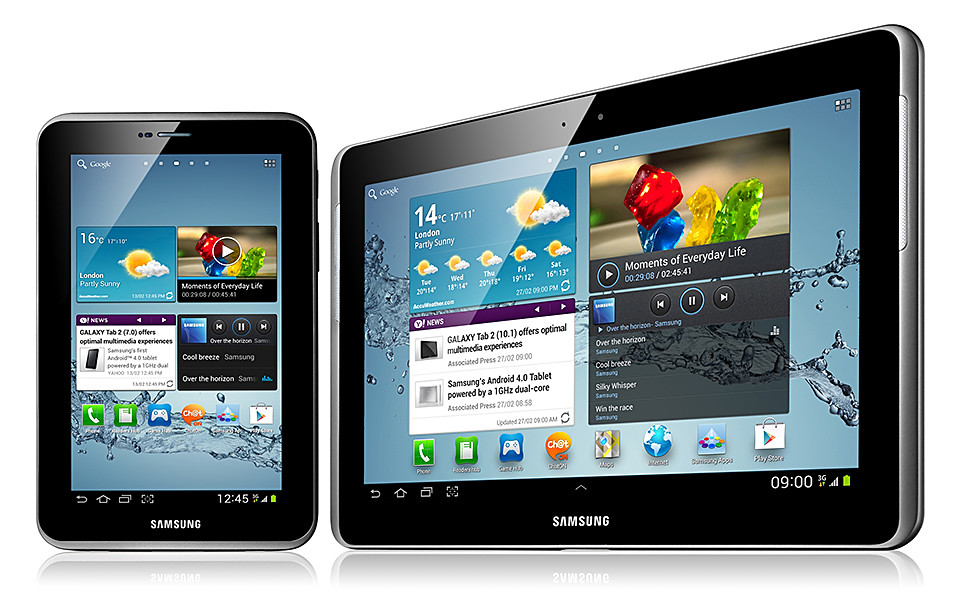
Samsung GALAXY Tab 2 in 7-inch and 10.1 inches.

Samsung GALAXY Tab 2 in 7-inch and 10.1 inches

The GALAXY Tab 2 series of tablets are Samsung’s first Android 4.0 Ice Cream Sandwich tablets. There are now some 400,000 apps for Android phones and tablets.

The GALAXY Tab 2 tablets are available in 3G and WiFi versions.

Samsung GALAXY Tab 2 (7) and GALAXY Tab 2 (10.1)

Samsung GALAXY Tab 2 (7) and GALAXY Tab 2 (10.1)

GALAXY Tab 2 Series offer users easy multimedia access, playback and sharing experiences with Samsung Hub services.

Samsung’s Music Hub provides a full music store solution with access to over 17 million tracks.

GALAXY Tab 2

GALAXY Tab 2

The Readers Hub provides access to over 2.3 million e-books, 3,500 magazines and over 2,000 newspapers in 51 languages, while Game Hub instantly connects users to the latest game titles.

Samsung’s upgraded Touchwiz user interface features Hub widgets for one-step access to users’ content in Hubs.

The device also presents S Suggest, a new service offering recommendations of apps suited to users’ tastes directly on a home screen.

Samsung’s AllShare is a content-sharing service that allows users to search for and play video, photo, and music files freely across their GALAXY Tab 2 Series from PCs and other Samsung smart devices – such as PC, TV, mobile phone, and digital camera – by using the local network for streaming playback.

With the voice call capability, the GALAXY Tab 2 Series can be used as a phone, serving as a second device in case they misplace their primary phone.

It also lets users spontaneously arrange multi-party video calls via Google+ hangouts, as well as engage in group chats or micro-communities to collectively chat or share content.

In addition, ChatON, Samsung’s cross-platform communication service, connects all phone users of any platform into a single community.

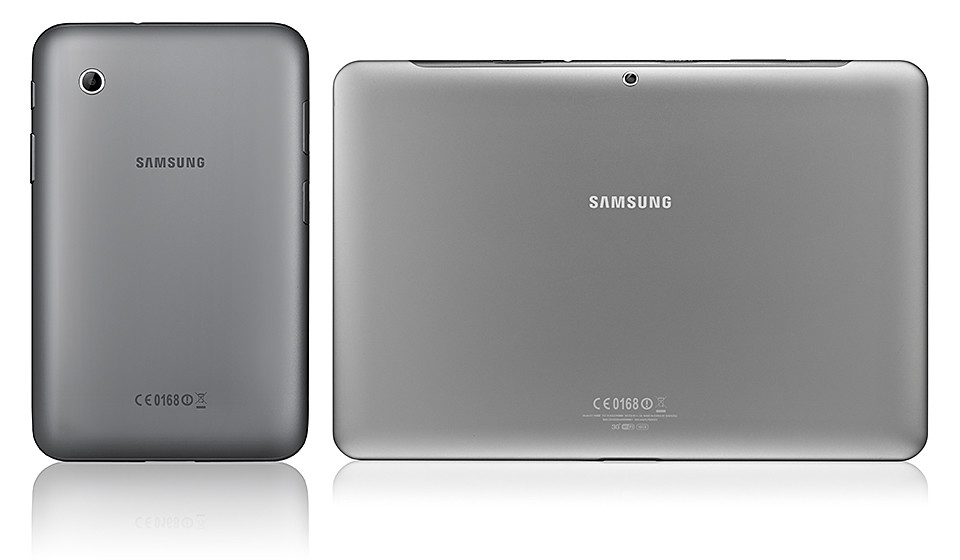
Rear of the Samsung GALAXY Tab 2 tablets

Rear of the Samsung GALAXY Tab 2 tablets

ChatON uses phone numbers instead of ID and passwords, and provides easy instant messaging and group chatting in various formats — images, video, voice, contacts — to make messaging simple and intuitive.

Below are the main technical specifications of the two Samsung GALAXY Tab 2 tablets.

(more…)