Archive for the ‘Cameras’ Category

Company byte: Samsung Electronics

Friday, August 26th, 2011

Samsung Electronics Co. Ltd. is a global company in semiconductor, telecommunication, digital media and digital convergence technologies with 2010 consolidated sales of US$135.8 billion. It employs some 190,500 people in 206 offices across 68 countries.

Samsung Electronics Co LtdSamsung consists of nine independently operated business units: Visual Display, Mobile Communications, Telecommunication Systems, Digital Appliances, IT Solutions, Digital Imaging, Memory, System LSI and LCD.

Recognized as one of the fastest growing global brands, Samsung Electronics is a leading producer of digital TVs, semiconductor chips, mobile phones and TFT-LCDs.

Follow stories related to Samsung on tech4tea.com.

Main specifications for the HTC EVO 3D

Monday, August 15th, 2011

The HTC EVO 3D was launched in Singapore on 10 August 2011. The Android-Gingerbread (2.3) smartphone will be available at S$895 in August 2011. Here are the main features.

SRP: S$895 available in August 2011
Operating System: Android Gingerbread (2.3)
4.3-inch QHD 3D display
1.2 GHz Qualcomm Snapdragon dual-core processor
Dual rear-facing 5 megapixel camera
1.3 megapixel front-facing camera for video chat
3G Mobile Hotspot capability, supporting up to eight Wi-Fi enabled devices simultaneously
Android Market for access to more than 200,000 applications, widgets and games available for download
Google mobile services such as Google Search, Gmail, Google Maps, Google Calendar, Voice Actions, and YouTube
Corporate e-mail (Microsoft Exchange ActiveSync), personal (POP and IMAP) e-mail and instant messaging
1GB Usable memory/1GB RAM
microSD slot (supports up to 32GB memory card)
Wi-Fi – 802.11 b/g/n
Stereo Bluetooth
Integrated GPS
1730 mAh Lithium-ion battery

Main specifications for the LG Optimus 3D

Saturday, August 13th, 2011

The LG Optimus 3D was launched in Singapore on 11 August 2011. The Android smartphone will be available at S$938 (incl GST without contract) in Singapore in end August. Here are the main specifications.

Network 2G GSM 850 / 900 / 1800 / 1900
3G HSDPA 900 / 1900 / 2100
Size Dimensions 128.8 x 68 x 11.9 mm
Weight 168 g
Display Type 3D LCD capacitive touchscreen, 16 million colors
Size 480 x 800 pixels, 4.3 inches
Memory Internal 8GB storage, 512MB RAM
Card slot microSD, up to 32GB
Data 3G HSDPA 14.4Mbps, HSUPA 5.76Mbps
WLAN Wi-Fi 802.11 b/g/n, DLNA
Bluetooth Yes, v3.0 with A2DP, EDR
USB Yes, microUSB v2.0
Camera Primary Dual 5 megapixel, 2560х1920 pixels, autofocus,

LED flash

Features Stereoscopic photos and videos, geo-tagging
Video Yes, 1080p@24fps (2D), 720p@30fps (3D)
Secondary Yes
Features OS Android OS, v2.2 (Froyo), upgradable to v2.3
CPU Dual-core 1GHz ARM Cortex-A9 processor,

PowerVR SGX540 GPU, TI OMAP4430 chipset

3D Features – Glasses free 3D viewing
– 3D Hotkey
– 3D Video Stabilization
– Real-Time Misalignment Correction
– Real-Time 2D/3D Conversion
– 3D Depth Control
Battery Standard battery, Li-Ion 1500 mAh

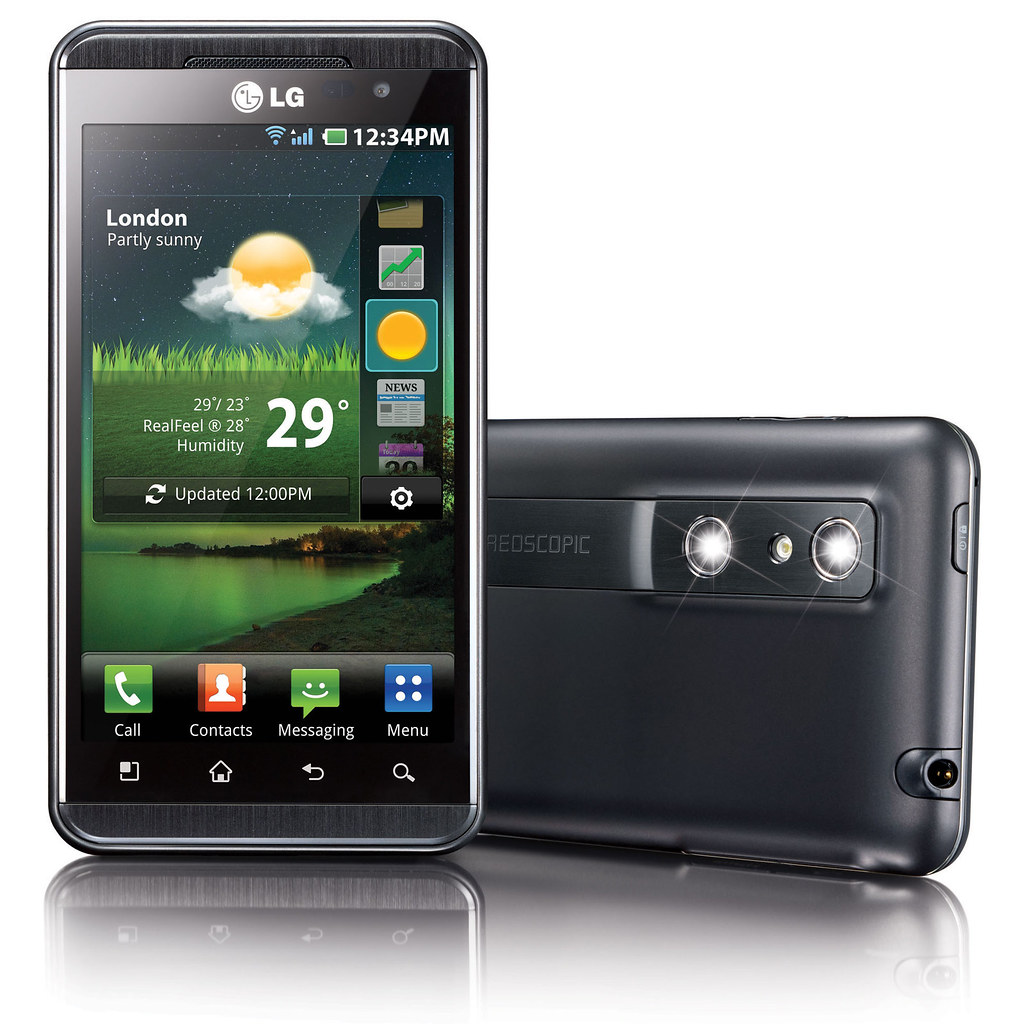
LG Optimus 3D launched in Singapore

Thursday, August 11th, 2011

Available at S$938 (incl GST without contract) in Singapore in end August, the latest Android smartphone from LG allows users to create 3D photos and video using the phone and to view 3D content and play 3D games without wearing any 3D glasses.

LG Optimus 3D launched today at Marina Bay Sands

LG Electronics today launched the LG Optimus 3D at its LG Live outlet at Marina Bay Sands.

Optimus 3D smartphone from LGThe new Android smartphone boasts a “Tri-Dual” architechure – dual-core, dual-channel and dual-memory – promising improved performance when multi-tasking, viewing graphics-intensive websites, watching a movie or playing graphics-intensive games.

It also brings glasses-free 3D experience into the palms of its users. LG wants to empower its users to immerse themselves in 3D – from creating 3D photos and video, to enjoying them, and beyond that to sharing 3D media with others  – all from a smartphone.

Create, enjoy, share

Optimus 3D smartphone from LGTo create 3D photos and video, the user can use the dual 5 megapixel stereoscopic cameras on board to shoot 3D stills and footage. Alternatively, users can use included software on the smartphone to convert existing 2D photos and videos into 3D. Free software for converting 2D games will be available for download (more details to be announced soon)

Optimus 3D smartphone from LGTo enjoy 3D media  – and this is where LG is all excited about – the user does not need to wear 3D glasses. By using double-layered screen technology, the two images for the left and right eyes are are interlaced with each other and sent separately to both eyes so that the left eye only sees the image meant for the left eye and the right eye only sees the image meant for the right eye.

Optimus 3D smartphone from LGLG boasts that the cross-talk between the two images – the extent to which pixels meant for one eye is seen by the other eye – is extremely low. I tried it myself and found the 3D images gave a strong sense of depth and dimensionality – very realistic without any nausea even after more than 10 minutes of use.

The intensity of the 3D effect can be reduced or turned off – based on user’s preference – similar to the Nintendo 3DS game console. The sweet spot for optimal 3D effect seems to be about 30 cm away from the screen.

The 4.3-inch WVGA display offers bright and flicker-free images in HD, up to 1080p in 2D and up to 720p in 3D.

In case the user drops the smartphone after purchase and the dual stereoscopic cameras get misaligned, the Optimus 3D allows re-calibration of the cameras by correcting the images captured via software to account for any mis-alignment.

LG Optimus 3D smartphoneThe Optimus 3D comes preloaded with 10 free 3D games including titles such as Nova, Asphalt 6 and Let’s Golf 2.

Play 3D games on the LG Optimus 3DCaptured 3D content can be shared with 3D TVs via an HDMI 1.4 connection and the phone can also send content to any DLNA Certified device. In addition, users can upload and stream 3D content on YouTube’s dedicated 3D channel (www.youtube.com/3D).

Smartphone and 3D gizmo

Even without its 3D functionality, the Optimus 3D serves as a highly powered smartphone with top-notch graphic performance, web browsing experience, raw computing speed and high video resolution.

The LG Optimus 3D smartphone was launched in Singapore today.

The LG Optimus 3D smartphone was launched in Singapore today.

For 3D buffs, it offers a chance to own a 3D camera and glasses-free 3D viewing/playing device and a gadget to share and interact with 3D content on the Web.

The LG Optimus 3D offers the best of both worlds and places both functionalities into a single device. This class of gadgets will surely bring 3D into the lives of the average smartphone user.

The main specifications of the Optimus 3D can be found here.

HTC EVO 3D arrives in Singapore

Wednesday, August 10th, 2011

The EVO 3D is the first smartphone with “glasses-free” 3D display to be launched in Singapore. The Android-Gingerbread (2.3) smartphone will be available at all mobile operators and authorized retailers at a suggested retail price of S$895 in August 2011.

Android Gingerbread 2.3 based HTC EVO 3D

The HTC EVO 3D empowers the user to capture and view photos and video in 3D through a brilliant high-defintion 4.3-inch QHD 3D display, which does not require the wearing of special 3D glasses.

HTC EVO 3D arrives in Singapore on 10 August 2011The HTC EVO 3D features a powerful 1.2 GHz Qualcomm Snapdragon dual-core processor, dual 5 megapixel cameras, which can be used to capture both conventional 2D and stunning 3D images and videos.

With integrated 3D HD (720p) video capture and the latest version of HTC Sense, HTC EVO 3D will enable users to easily and seamlessly post 3D media to YouTube or Facebook.

Its integrated DLNA (Digital Living Network Alliance) capability allows fast and easy to sharing of stored music, pictures and user-generated HD video wirelessly with other DLNA-certified home electronics, including HDTVs, monitors, digital cameras, printers and more.

Connection via an HDMI cable (sold separately) enables sharing of user-created 3D video content via a 3D TV.

Access 3D movies and games through the EVO 3D

According to ABI Research (Dec. 20, 2010) mobile 3D devices will be driven by three key applications: creation of user-generated 3D content by integrated video and still cameras, playback of 3D content and 3D gaming.

It also anticipates that mobile devices may turn out to be the most successful form factor towards bringing 3D technology into mainstream markets.

HTC EVO 3D will be pre-loaded with HTC Watch which provides access to a large catalog of movies, including 3D titles optimized for viewing on the HTC EVO 3D’s 4.3-inch screen.

HTC Watch offers the latest new releases on the same day that they become digitally available in the region. Customers can buy or rent digitally and download directly to their smartphone, along with select 3D movies.

Rentals will be available for viewing on one screen within at least 30 days of rental, with a 24-hour  or 48-hour viewing period once the title is first played.

The HTC EVO 3D ships with a whole library of multimedia entertainment that includes The Green Hornet 3D Movie  (limited stocks available) and games such as Spider-Man: Total Mayhem HD, Need for Speed SHIFT and  The Sims 3.

HTC has also teamed up with Chalkboard, a large location-based network in Southeast Asia  to offer HTC EVO 3D users access to a catalogue of local offers wherever they go.

Main features of the HTC EVO 3D are summarised here.

Olympus announces SRP for PEN E-P3 kits at S$1,298 and S$1,548

Monday, July 25th, 2011

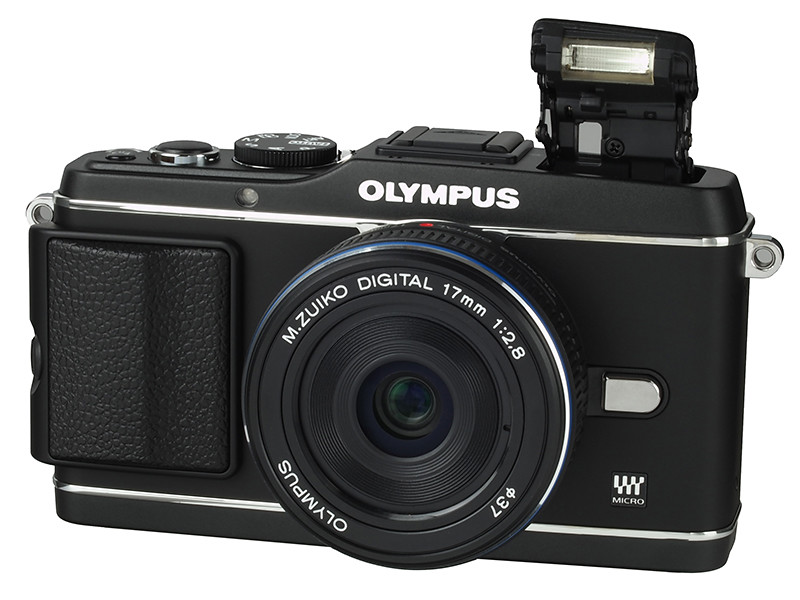
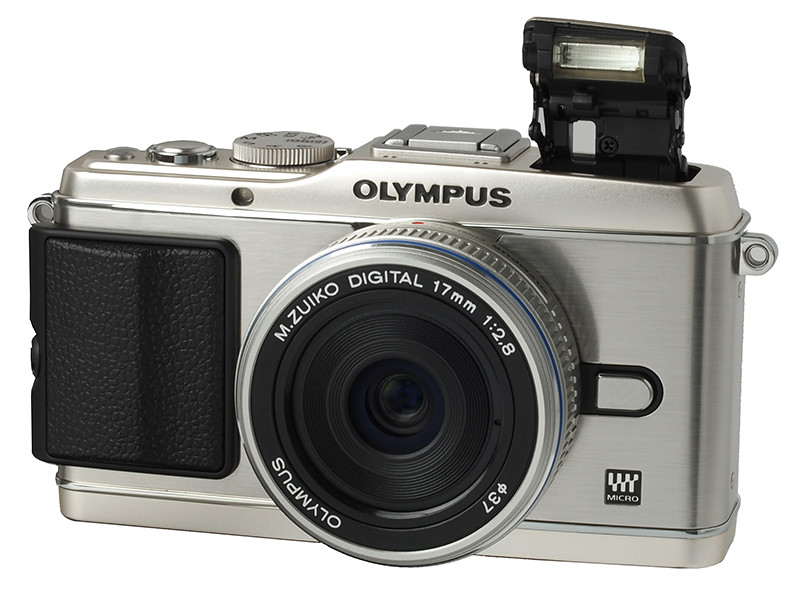
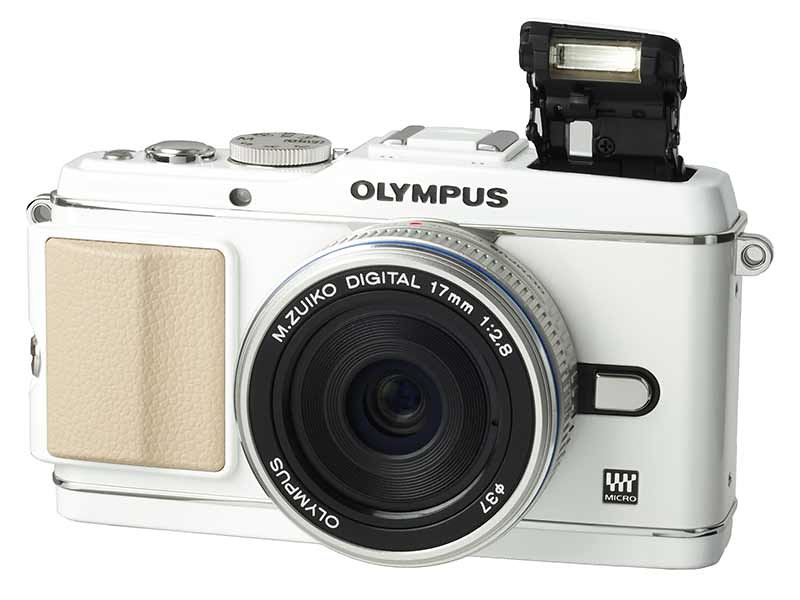
Olympus has announced the Suggested Retail Prices (SRP) of the PEN-E-P3 in Singapore. Available in black, silver and white and bundled with an 8 GB SD card, the 14-42mm Lens Kit is priced at S$1,298 (incl GST), while the Twin Lens Kit will set you back by S$1,548 (incl GST).

Olympus E-P3 14-42mm Lens Kit, priced at S$1,298.00 (incl GST).

Olympus E-P3 14-42mm Lens Kit, priced at S$1,298.00 (incl GST).

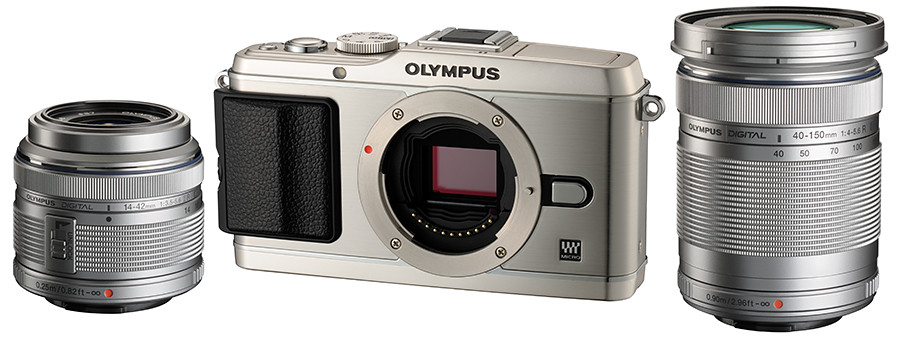
The E-P3 14-42mm Lens Kit is priced at S$1,298.00 (incl GST) and includes both the body and the M.ZUIKO DIGITAL 14-42mm f3.5-5.6 II R lens.

Olympus E-P3 Twin Lens Kit, priced at S$1,548.00 (incl GST).

Olympus E-P3 Twin Lens Kit, priced at S$1,548.00 (incl GST).

The E-P3 Twin Lens Kit is priced at S$1,548.00 (incl GST) and includes the body, the M.ZUIKO DIGITAL 14-42mm f3.5-5.6 II R lens and the M.ZUIKO DIGITAL ED 40-150mm f4.0-5.6R lens.

The white and silver camera bodies will come with silver lenses while the black bodies will be matched with black lenses.

Both options come bundled an 8 GB SD card. The body is available in black, silver and white. Black camera bodies will be matched with black lenses. Silver and white camera bodies will come with silver lenses.

The Olympus PEN E-P3 can be purchased from Olympus authorised retailers.

Specifications for the Olympus PEN E-P3

Monday, July 4th, 2011

Here are the specifications for the latest flagship digital camera for the PEN series of mirrorless interchangeable lens DSLR from Olympus. Although it looks similar to its predecessor, the PEN E-P3 features near instantaneous autofocus speeds, enhanced image quality and a more ergonomical user interface. The camera comes in black, silver or white.

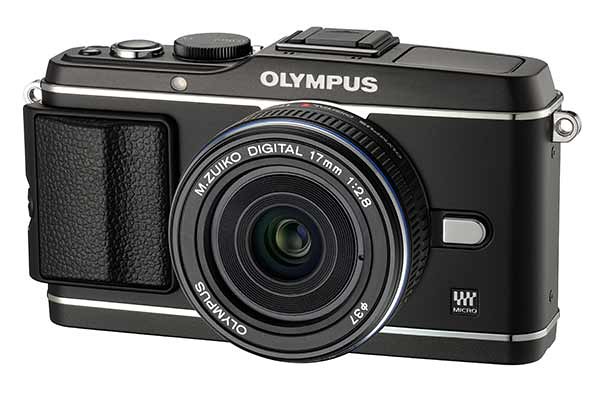
The svelte Olympus PEN E-P3 with a 17mm lens.

The svelte Olympus PEN E-P3 with a 17mm lens.

The Olympus PEN E-P3 is a 12.3-megapixel entry-level DSLR camera which is more compact than traditional DSLRs because the design leaves out the mirror that channels the view through the lens to an optical viewfinder on top of the camera.

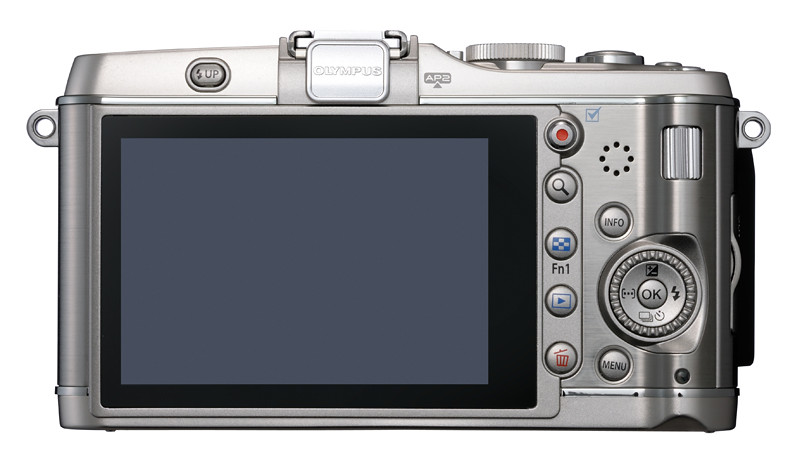
The LCD screen at the back of the camera shows a preview of the shot for framing and composition. An optional add-on electronic viewfinder is available for those who prefer to hold the camera to the face rather than at arms length.

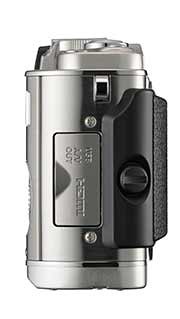
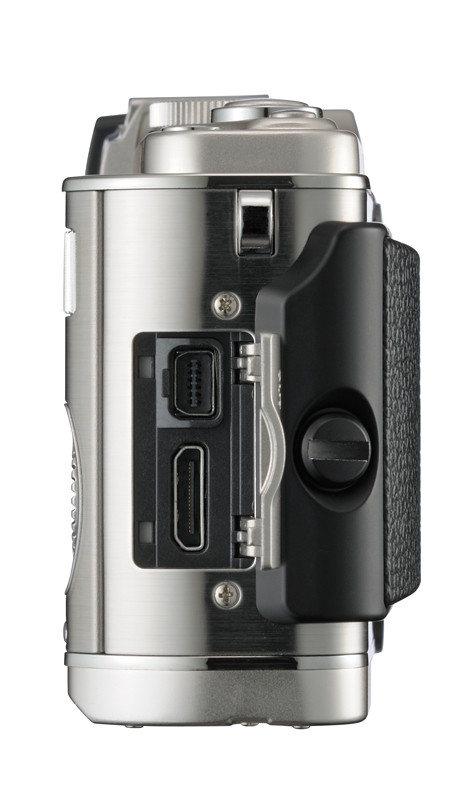
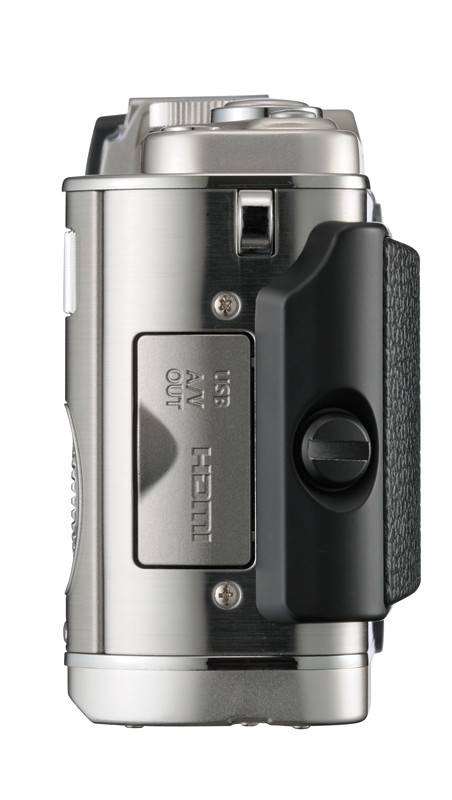
A multi-purpose USB/AV out/remote control socket, and a mini-HDMI connector for connecting to your TV.

A USB/AV out/remote control socket, and a mini-HDMI connector.

The micro four thirds format and size of the image sensor also contributes to the compactness, although some believe the smaller size of the sensor would slightly impact the image quality when compared with other DSLRs using the standard but slightly larger APS-C sized sensor.

The main highlight of the PEN E-P3 is the enhancement of the autofocus system, which has improved the autofocus speed by more than three times when compared to its predecessor.

I’ve tried it during the launch event for the product and the autofocus felt near instantaneous and impressive.

The details are below:

Main Specs
Price (Singapore) to be announced
Effective megapixels 12.3
Monitor 3-inch 3:2 OLED touch screen with 610k dots
Colours Black, Silver or White
Movie – HD 1280 x 720 @ 30fps (16:9)
– SD 640 x 480 @ 30fps (4:3)
The juicy details
Image stabilisation – Photo: “Supersonic Wave Drive” in-body sensor shift (up to 3 EV stops compensation)
– Video: Digital IS
Sensor 4/3 inch hi-speed Live MOS sensor
File format (Photos) JPEG, RAW, MPO (3D)
Largest photo size 4032 x 3024 pixels
Image aspect ratio 4:3, 3:2, 16:9, 1:1
Video recording AVCHD and AVI Motion-JPEG
1920 x 1080, 60i recording, 17 Mbps
Frame rate: 30 fps
Max length: 29 min, 4 GB
Image processor engine TruePic VI
Auto focus FAST AF system with 35-area multiple AF
(Imager contrast detection)
AF assist lamp Yes
Exposure modes iAuto, Program AE (with shift), P, A, S, M, Art Filter, Scene select
Sensitivity – Auto: ISO 200 – 12800
– Manual: ISO 100 – 12800
(adjustable in 1/3 EV step)
Metering modes Digital ESP (324-area multi-pattern metering), Centre-weighted average, Spot (1%)
AE Bracketing 2, 3, 5 or 7 frames
Exposure compensation Up to +/- 3 EV in 1/3, 1/2 or 1.0 steps
Shutter speed 1/4000 sec to 60 sec
WB Auto, Sunny, Shadow, Cloudy, Incandescent, Fluorescent, Flash, Custom
Art filters 10 (Pop Art, Soft Focus, Grainy Film, Pin Hole, Diorama, Dramatic, Pale & Light Color, Light Tone, Cross Process, Gentle Sepia)
Scene modes 23
Continuous shooting – Sequential (3 fps)
– Raw: max 8 frames
– JPEG: Unlimited until memory runs out
Self-timer 2 or 12 sec
Flash – Built-in pop-up (GN10 at ISO 200
– Hotshoe for external flash
Viewfinder Optional EVF
Orientation sensor Yes
Storage SD (SDHC, SDXC)
Dimensions 122 x 69.1 x 34.2 mm
Weight (excl battery and card) 275g / 9.2oz. (incl. Battery and card)
In the box Li-ion battery BLS-5, charger BCS-1, USB/Video multi cable, Shoulder strap, Software CD-ROM, Instruction manual.

First look at the Olympus PEN E-P3

Sunday, July 3rd, 2011
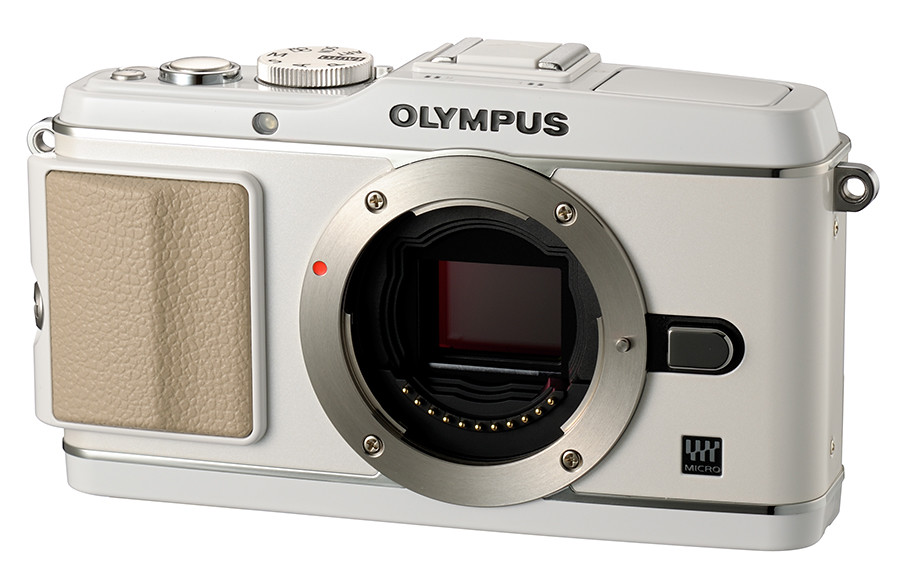
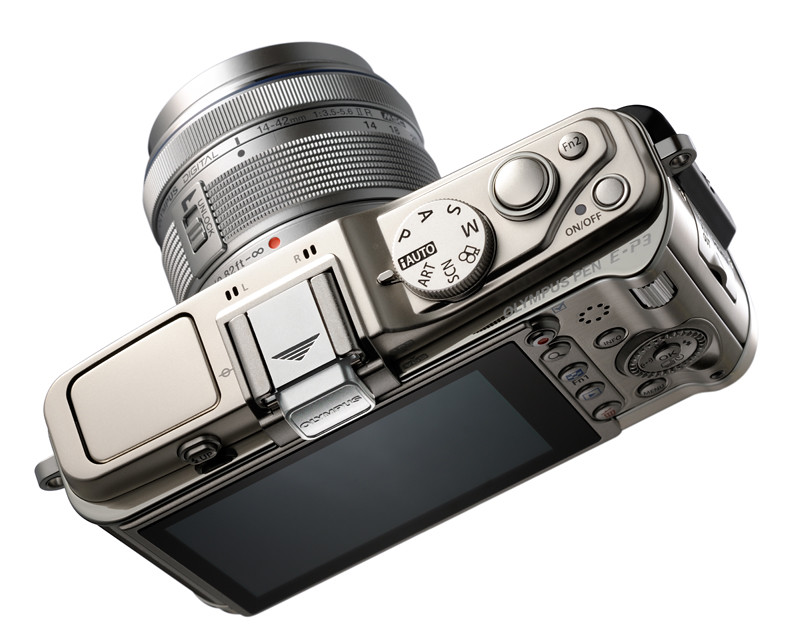
The PEN E-P3 - flagship model for the PEN series of mirrorless interchangeable lens cameras from Olympus.

The PEN E-P3 - flagship model for the PEN series of mirrorless interchangeable lens cameras from Olympus.

Externally similar to its predecessors, the PEN E-P3 has received a new sensor, image processing engine and the autofocus system has been tuned up to become lightning fast.

The PEN E-P3 is scheduled for release in Singapore on July 22, 2011 although the pricing has not been revealed yet. Online retailers such as Adorama is taking preorders for the PEN E-P3 at US$899 with M. Zuiko 14-42mm II R f/3.5-5.6 kit lens. The camera is available in black, white and silver. See the specifications here.

FASTer autofocus

Olympus claims that the new FAST (Frequency Acceleration Sensor Technology) autofocus (AF) system makes the E-P3 the camera to beat when it comes to AF speed. The FAST AF is achieved through the combination of a few innovations.

The PEN E-P3 - flagship model for the PEN series of mirrorless interchangeable lens cameras from Olympus.

Three colours are available - black, silver and white.

Firstly, the Live MOS Sensor is driven at double the previous speed – 120 fps – so that image data can be obtained more quickly than with previous systems. Secondly, the speed of the AF computations that generate the contrast information from the image data – in order to determine the degree of focusing – has also been doubled. Thirdly, the speed of communication for controlling the lens motion during AF has been increased. Finally, the response time from pressing the shutter release to the start-up of AF system has been shortened.

Overall, the imager AF speed has become almost three times faster than before.

I tried out the camera during its launch on 30 June and found the AF was indeed much faster than its predecessors the E-P2 and E-P1 – even at low light. An AF illuminator light – inexplicably absent in previous models – has a range of 3m for low light situations.

The number of focus selection areas has been increased from 11 to 35, enabling detailed, pinpoint AF across a wider area than before. To capture a moving subject accurately, the group area selection can apply AF to a limited region compose of 3 vertical and 3 horizontal areas.

Design and UI
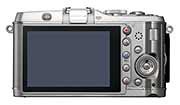
The PEN E-P3 - flagship model for the PEN series of mirrorless interchangeable lens cameras from Olympus.

The Olympus PEN E-P3 retains the retro design of the PEN series and looks similar to its predecessors.

The 3-inch, 610k-dot OLED display is not only bright and sharp but features a touch screen that is easy to use – in fact addictive. Simply tap the main subject on the screen to prefocus, or focus and take the snapshot immediately. The font and graphic design of the user interface and menu system has been improved to become more readable and good-looking.

In terms of external design, its retro look is similar to its predecessors with a few design and functional differences. There are now two Function buttons and a direct movie-recording button – making camera control easier. A built-in GN10 (ISO 200) flash – absent in previous models – is now available. Two designs of detachable camera grips are available in white, black or silver. Alternatively, leave the grip at home for a minimalistic look, showing off the metallic finish on the E-P3 body.

Inside the camera
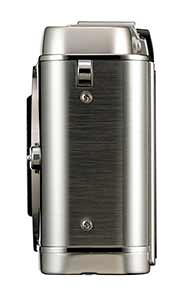
The PEN E-P3 - flagship model for the PEN series of mirrorless interchangeable lens cameras from Olympus.

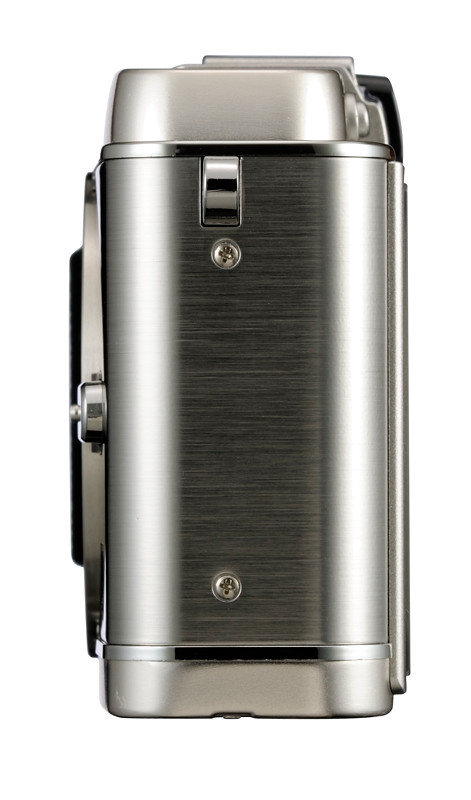
Sideviews of the Olympus PEN E-P3.

A new 12.3 megapixel Live MOS sensor in the micro four thirds interchangeable lens digital camera promises an enhanced image quality. 1080i60 full HD movies in AVCHD format are now possible as is high-sensitivity shooting at ISO12800.

The dual core processor allows live view on the LCD panel and image processing when a shot is taken to be executed in parallel, decreasing the blackout time after snapping each photo. This, together with the aforementioned FASTer AF gives the E-P3 a snappier feel and makes it more responsive – especially when taking multiple shots at a go.

The E-P3 now ships with 10 Art Filters – precanned special effects that are applied to the JPEG image when you snap a photo. This is two more than the E-P2 and four more than the E-PL3. Art Filter bracketing is now possible for recording multiple Art Filtered pictures with a single snapshot.

Two new Art Effects are added – “Starlight” and “White Edge”, as well as a new Art Filter variation called the “Pale & Light Colour II”. The Art Filters can be applied during full HD movie shooting and the 3D Art Filter is compatible with the new 3D Photo Shooting scene mode.

Image processing has been enhanced by incorporating the “Full Detail” processing algorithm used in the E-5, the flagship DSLR from Olympus. New “Real Colour Technology” targets the reproduction of colours that are difficult to accurately reproduce such as emerald green and yellow making the image pop.

The “Advanced Shadow Adjustment Technology” (ASAT) tries to correct backlit photos by brightening the backlit subject independently without blowing out the bright background.

Based on paper specifications and a short physical handling session, the Olympus E-P3 promises to be a much better performer than its predecessor, the E-P2, in terms of AF speed, image quality and camera operation, viz touch screen and enhanced button and menus.

Olympus launches PEN E-P3, E-PL3 and E-PM1

Thursday, June 30th, 2011

Olympus has just launched, worldwide, its slew of new cameras, lenses and accessories. The three new camera models include updates to the PEN E-P2 and E-PL2, as well as the new E-PM1 with a similar form factor (for the body) as the Olympus XZ-1. New and repackaged lenses are also being launched.

The new Truepic VI engine and sensor promise enhanced image quality and, together with the new auto-focusing system, deliver much faster auto-focus  on these new cameras.

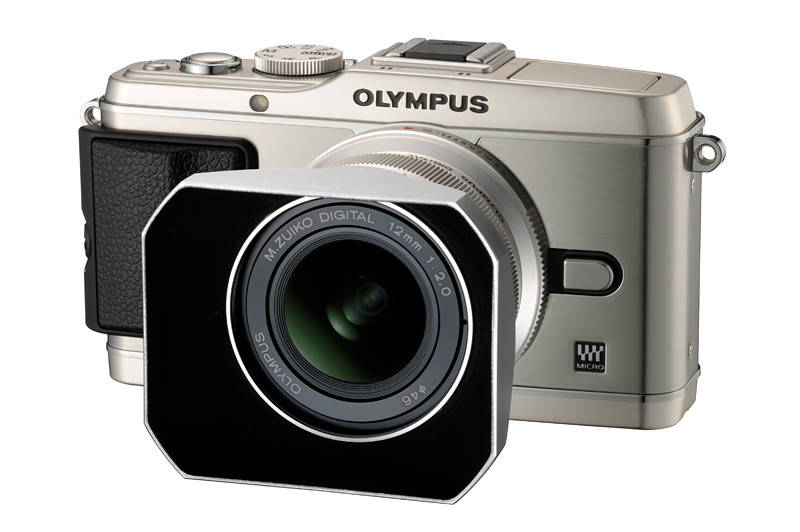
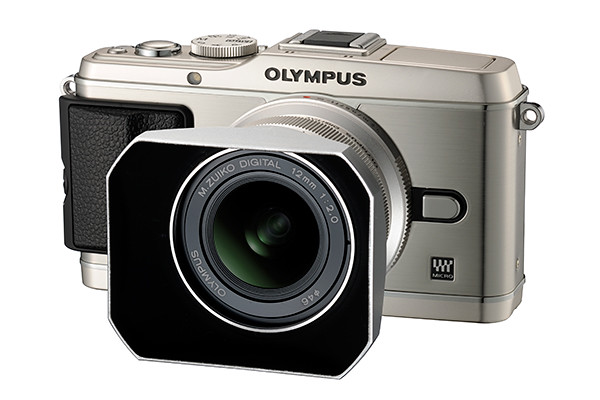
Olympus PEN E-P3, with the 12 mm, f/2.0 lens.

Olympus PEN E-P3, with the 12 mm, f/2.0 lens.

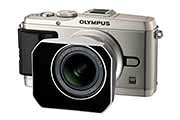
Olympus PEN E-PL3, with the 40-150 mm II R kit lens and retro lens hood.

Olympus PEN E-PL3, with the 40-150 mm II R kit lens and retro lens hood.

Olympus PEN E-PM1, with the 14-42 mm II R kit lens and retro lens hood.

Olympus PEN E-PM1, with the 14-42 mm II R kit lens and retro lens hood.

The Olympus PEN E-P3 is here. And some of its new powerful features have also been made available to its “Lite” and “Mini” cousins: the E-PL3 and E-PM1 respectively.

Two new lenses – a 12 mm f/2.0 lens and a 45 mm f/1.8 lens – have also been introduced together with the new cameras. At the same time, two existing kit lenses has been repackaged into the 14-42 mm II R and the 40-150 mm II R to match the design of the new cameras, although the functionality remains unchanged. A new external wireless-capable flash – FL300R – was also unveiled.

The PEN E-P3 and the 12 mm f/2.0 lens is scheduled for release in Singapore on July 22, 2011, while the other camera models and lenses will only be available later. As of today’s launch, only the E-P3 was ready for shooting, while the E-PL3 was not ready to be powered on. For the E-PM1, only a mock-up was viewable in a display case.

Prices in Singapore are yet to be determined, although Adorama is taking preorders online for the PEN E-P3 (US$899 with kit lens), the 12 mm f/2.0 lens (US$799) and the 45 mm f/1.8 lens (US$399).

The launch in Singapore at the National Geographic Store in VivoCity is one of 6 venues worldwide holding the event at the same time.

“The much faster autofocus speed is achieved through the combination of four components making up the FAST <Frequency Acceleration Sensor Technology> autofocus system introduced in these new cameras,” Terada Toshiyuki (寺田 利之), Group Leader of the Product and Marketing Planning Group in Olympus told me.

The long awaited worldwide product launch from Olympus.“This includes a new LiveMOS sensor which is driven twice as fast as current sensors, faster calculation of the contrast detection autofocus, faster communications between the camera and the lens, and reduction of the lag in activating autofocus when the shutter release button is pressed,” elaborated the Tokyo-Shinjuku based guest.

Trying out the E-P3 unit myself, I found the auto-focus almost instantaneous – even in low-light. It certainly feels much faster than the previous incarnations of cameras in the PEN series.

I found the touch-screen really addictive and easy to use – simply point at the subject you want to focus on, and the camera focuses quickly on it and takes the snapshot. No more fiddling with buttons and menu systems just to select from a limited number of focus points.

You can also use the touch screen to pre-focus in prefocus mode – simply tap the main screen where the main subject is and the camera focuses but does not release the shutter. Press the regular shutter release button to take the snapshot.

The previous PEN cameras came with auto-tracking of subjects. This works with the touch-screen as well.

Olympus claims that image quality has also been improved with the new sensor and Truepic VI engine. More realistic colour reproduction and selective brightening of back-lit subjects without the addition of noise are some of the advanced features touted.

Olympus set for major product launch tomorrow

Wednesday, June 29th, 2011

Olympus will announce a slew of new products tomorrow (Thursday June 30th) at 6 am London time (1 pm Singapore time). Expect the E-P3, E-PL3, E-PM1 and a slew of new and repackaged lens that leverage a new Truepic VI engine and faster electronic connections to provide faster auto-focus.

Is this what the new Olympus E-P3 looks like?

Is this what the new Olympus E-P3 looks like? Photo from www.43rumors.com

Olympus has been gearing up towards tomorrow’s launch event at multiple venues worldwide. There is much speculation as to what will be launched. Here are some sneak peeks. Check back for the actual specs tomorrow.

Is this what the new Olympus E-PM1 looks like?

Is this what the new Olympus E-PM1 looks like? Photo from www.43rumors.com

The new Truepic VI engine promises to improve the auto-focus speed tremendously, compared to existing Olympus PEN cameras.

New camera models

  • E-P3. New 12 megapixel sensor with dual-processor  Truepic VI engine. ISO 100 to 12,800.
  • E-PL3. Same sensor and af speed as the E-P3.
  • E-PM1. Similar compactness as the Olympus XZ-1 but without any tilt screen nor built-in flash.

New lenses

  • 12 mm f/2.0 lens. Micro Four Thirds High Grade lens made in Japan. Full metal construction with distance scale. Filter size 46 mm with minimum focusing distance at 20 cm.
  • 45 mm f/1.8 lens. No macro.

Reworked lenses

  • 14-42 mm II R. Same price and optical performance as the current 14-42mm lens but with a much faster autofocus performance.
  • 40-150 mm II R. Same price and optical performance as the current 40-150mm lens but with a much faster autofocus performance.

Accessories

  • FL-300R
  • External EVF