Posts Tagged ‘travel’

Travel: Sightseeing the hells of Beppu in Oita, Japan

Wednesday, December 5th, 2012

Today we started our sightseeing in earnest – checking out the onsen “hells” of Beppu.

Umi Jigoku(海地獄) - or Sea Hell - is my favourite hell.

Umi Jigoku (海地獄) – or Sea Hell – is my favourite hell.

Beppu claims to be the world’s second largest hot spring water producer in terms of volume – behind the Yellowstone National Park in the USA.

The Umi Jigoku has nicely landscaped gardens aroud the hotspring ponds.

The Umi Jigoku has nicely landscaped gardens aroud the hotspring ponds.

The seaside town is a popular onsen destination in Japan – both for the regular version spas where people immerse their bodies in the healing attributes of natural hot spring water – as well as eight hot springs that can only be viewed for their striking colours and characteristics but which are not suitable for bathing in.

Each of these eight hot springs are called “hells” (地獄)because of the high temperatures and vivid colours – much like the boiling waters used to punish evil-doers for their sins – traditional Japanese and Chinese beliefs about what hell is like.

Six of the eight hells are located close to each other so you can visit them one after another before heading to the other location where the remaining two are located next to each other.

There's also a red mud hot spring pond in the Umi Jigoku.

There’s also a red mud hot spring pond in the Umi Jigoku.

The most striking onsen among those we visited must be the Umi Jigoku (海地獄) – or Sea Hell – because of the vivid turquoise colour of the hot spring water here.

It had emerged after a volcano explosion 1,200 years ago.

The Yama Jigoku (山地獄) - Mountain Hell - comprises steam spewing out of a pile of rocks.

The Yama Jigoku (山地獄) – Mountain Hell – comprises steam spewing out of a pile of rocks.

The second Jigoku we visited was the Yama Jigoku (山地獄)- or Mountain Hell – comprising hot steam emitting from a pile of rocks.

Ever stared into the mouth of a hungry hippo before? For 100 yen, you get some fresh carrots to throw inside this begging hippo at the Yama Jigoku.

Ever stared into the mouth of a hungry hippo before? For 100 yen, you get some fresh carrots to throw inside this begging hippo at the Yama Jigoku.

Though the hot spring itself is simple, it’s a favourite with the children because there were some enclosed animals on display, including a hungry hippo, some flamingoes and a bored elephant.

And here's a one-eared Llama at Yama Jigoku. Wonder who chewed up his ear.

And here’s a one-eared Llama at Yama Jigoku. Wonder who chewed up his ear.

Next was Kamado Jigoku (かまど地獄) – or Boiling Hell – because of its association with boiling water for cooking.

Bubbling boiling water at the Kamado Jigoku (かまど地獄) - or Boiling Hell.

Bubbling boiling water at the Kamado Jigoku (かまど地獄) – or Boiling Hell.

It actually comprises six pots of murky, bubbling boiling water.

An orange mud hot spring pond at the Kamado Jigoku.

An orange mud hot spring pond at the Kamado Jigoku.

After that was Oniyama Jigoku (鬼山地獄) – or Demon King Hell – which claims that the force of the steam produced here is strong enough to pull one-and-a-half train carriages.

The Oniyama Jigoku (鬼山地獄) - Demon Mountain Hell - produces steam that's strong enough to pull train carriages.

The Oniyama Jigoku (鬼山地獄) – Demon Mountain Hell – produces steam that’s strong enough to pull train carriages.

This hell also had a collection of crocodiles relishing the warm spring water.

The Oniyama Jigoku has a collection of crocodiles frolicking in warm spring water despite the cold winter.

The Oniyama Jigoku has a collection of crocodiles frolicking in warm spring water despite the cold winter.

Next was the Shiraike Jigoku (白池地獄) – or White Pond Hell – which got its name from its creamy-white hot-spring water.

The Shiraike Jigoku (白池地獄) - or White Pond Hell - also has a nice Japanese landscaped garden around it.

The Shiraike Jigoku (白池地獄) – or White Pond Hell – also has a nice Japanese landscaped garden around it.

It had a collection of tropical fishes, including a tank of deceptively-harmless-looking piranhas which were eyeing us as intently as we were eyeing them.

Piranhas lining up to watch us. This was the first time that the kids had seen live piranhas.

Piranhas at Shiraike Jigoku lining up to watch us. This was the first time that the kids had seen live piranhas.

Finally, we visited the Oniishibozu Jigoku (鬼石坊主地獄) – or Shaven Monk’s Head Hell – because the bubbles of gray mud boiling up the ponds resemble the shaven heads of monks.

The Oniishibozu Jigoku (鬼石坊主地獄) - or Shaven Monk's Head Hell - has white bubbling mud springs.

The Oniishibozu Jigoku (鬼石坊主地獄) – or Shaven Monk’s Head Hell – has white bubbling mud springs.

We had to give the final two Jigokus a miss because of time constraints – although they looked beautiful and sounded interesting in the brochures.

The Chinoike Jigoku (血の池地獄 – Blood Pond Hell) has red water while the Tatsumaki Jigoku (龍巻地獄 – Geyser Hell) has a geyser that spouts every half hour.

Along the way, we had plenty of Jigoku Mushi – food cooked using the steam and hot spring water – such as eggs and sweet potato.

As per the night before, we rounded off the day with a visit to the onsen.

* All photos in this post were taken with a Nikon D800 DSLR and AF-S NIKKOR 24-70mm f/2.8G ED lens.

Travel: From Fukuoka airport to hot spring heaven in Beppu Hells

Tuesday, December 4th, 2012

After a scrumptious meal at CoCo Ichibanya, we made another unplanned stop at the Tosu Premium Outlets before continuing towards our first night in Kyushu – Beppu.

* All photos in this post were taken with a Nikon D800 DSLR and AF-S NIKKOR 24-70mm f/2.8G ED lens.

Window dressing for Dog Dept, one of the shops at Tosu Premium Outlets.

Window dressing for Dog Dept, one of the shops at Tosu Premium Outlets.

The town of Tosu lies at the crossroads of two major expressways of Kyushu.

Some familiar brands at the Tosu Premium Outlets.

Some familiar brands at the Tosu Premium Outlets.

One runs north-south from Fukuoka to Kumamoto and beyond, while the other runs east-west from Oita to Nagasaki.

So it’s an ideal location for Premium Outlets.

People commuting long distance from one part of Kyushu to another tend to go through Tosu and it’s so convenient to just make a quick stopover.

We’d already planned our final hotel stay in Kyushu to be in Tosu before flying out of Japan.

But since it was on our way to Beppu, we decided to take a quick preview of what the outlets had to offer.

As an outlet shopping mall, the Tosu Premium Outlets seemed pretty run-of-the-mill, with the usual  brands that we see at other similar malls.

Another unplanned stop to take a preview of the Tosu Premium Outlets.

Another unplanned stop to take a preview of the Tosu Premium Outlets.

But we’ll be taking a closer look at the end of this trip so maybe we’ll discover something special.

Miyuki - a local restaurant in Beppu whose owner doubled up as enthusiastic tour guide. This photo of its exterior was shot at ISO 6400 with little noise.

Miyuki – a local restaurant in Beppu whose owner doubled up as enthusiastic tour guide. This photo of its exterior was shot at ISO 6400 with little noise.

After Tosu, we continued our drive towards Beppu, the seaside town known for its hot springs.

Trying out the local fare - especially the Dango Jiru soup, which is made with flattened wheat flour dumplings.

Trying out the local fare – especially the Dango Jiru soup, which is made with flattened wheat flour dumplings.

Here we had a little bit of difficulty locating our hotel among the tiny and complicated streets in the area.

Checking out the shops and wares of You Me shopping centre in Beppu. Everybody recommends it - for its free parking in town.

Checking out the shops and wares of You Me shopping centre in Beppu. Everybody recommends it – for its free parking in town, from which to visit other sights.

Contemplating whether to make a stop at Uniqlo. This shot was deliberately over-exposed to get a high-key effect that puts the focus on the boy in the car and the brand.

Contemplating whether to make a stop at Uniqlo. This shot was deliberately over-exposed to get a high-key effect that puts the focus on the boy in the car and the brand.

So we asked a local who promptly got onto his motorbike to show us the way to the family-run establishment called Happy Neko – where we had booked a studio apartment complete with kitchen and launderette facilities.
Bukkake is served in the food court - here it's a legitimate and traditional Japanese dish, not a genre.

Bukkake is served in the food court – here it’s a legitimate and traditional Japanese dish, not a genre.

The Czech proprietor, Bibo, sat down with us to tell us about the places to visit, food to eat, and things to do during our 2-day stay at Beppu. He spoke perfect English.

So we headed out for dinner at a local restaurant, whose owner plied us with more brochures, travel magazines and recommendations on what to do during our stay.

The owner was a one-man-show: owner, chef, steward. He had visited Singapore before and immediately associated the Merlion with our island nation.

After dinner, we popped into the huge shopping mall in town – YouMe, before visiting the Hyotan onsen spa near where we stayed – an apt and restful end to a long day of travel.

Tomorrow, we shall visit the Beppu Hells – eight natural hot springs that tourists all over Japan come to visit.

Travel: Flying out from Changi Singapore to Fukuoka in Kyushu

Monday, December 3rd, 2012

The direct flight from Changi Airport Terminal 3 in Singapore took slightly more than six hours to reach the International Airport in Fukuoka, where we collected our rental car.

* All photos in this post were taken with a Nikon D800 DSLR and AF-S NIKKOR 24-70mm f/2.8G ED lens.

SIA SQ656 flies 5 times a week direct from Singapore to Fukuoka - 0105 hrs to 0810 hrs. This is the golden sunrise from the plane's window.

SIA SQ656 flies 5 times a week direct from Singapore to Fukuoka – 0105 hrs to 0810 hrs. This is the golden sunrise from the plane’s window.

We paid for the air tickets using the UOB Prvi Amex card which entitled us to a free airport limousine transfer from home to the airport. We did have some problems getting them to change the date of the limousine to the correct day, but the service from the driver was excellent.

First thing upon arrival is to pick up the rental car. Take an free airport shuttle from the International Terminal to the Domestic Terminal and then cross the road.

First thing upon arrival is to pick up the rental car. Take a free airport shuttle from the International Terminal to the Domestic Terminal and then cross the road.

The flight itself was unremarkable and upon landing we promptly collected our rental car from Nissan Car Rental outside the Domestic Terminal.

First stop after picking up the car is to visit the supermarket to stock up on supplies, especially bottled drinking water.

First stop after picking up the car is to visit the supermarket to stock up on supplies, especially bottled drinking water.

First stop was the supermarket to top up supplies and to get bottled water, before heading to our first stop – Beppu – a seaside town 2 hours’ drive from Fukuoka.

We'd discovered CoCo Ichibanya during our visit to Kyoto and Nagoya some years back and the children loved it.

We’d discovered CoCo Ichibanya during our visit to Kyoto and Nagoya some years back and the children loved it.

We didn’t get far before we came across an outlet of the CoCo Curry house.

CoCo Ichibanya has since expanded into Singapore although we haven't had the chance to check it out back at home.

CoCo Ichibanya has since expanded into Singapore although we haven’t had the chance to check it out back at home.

That’s our favourite Japanese curry house so we decided to stop there for lunch – that’s the kind of flexibility that a self-drive holiday gives you – you can make unplanned stops at your whim and fancy.

Travel: First to set off for vacation, last to return home

Sunday, December 2nd, 2012

Every time we set off for a family vacation, guess who gets to set off first, and is always the last to return home?

Cliff gets to set off for his staycation before us and only returns home after we've returned and settled back at home.

Cliff gets to set off for his staycation before us and only returns home after we’ve returned and settled back at home. Photo taken with Nikon D800.

It’s Cliff of course – that’s our resident Golden Retriever.

Before we set off for our family vacation, we have to pack him off to his boarder – which costs as much as our own hotels.

Cliff smacking his lips at the thought of going on staycation?

Cliff smacking his lips at the thought of going on staycation? Photo taken with Nikon D800 and AF-S NIKKOR 70-200mm f/2.8G ED VR II lens. I love the shallow depth of field of this lens at its constant f/2.8 aperture.
We wonder if he misses home and us, but secretly concedes that he probably enjoys his staycation as much as we do our vacation.

What with the other dogs at the boarder to hump interact with.

And we usually pick him up after we’ve come back from vacation and have unpacked and settled down.

So guess who has the longest vacations in the family?

Travel: Planning an impromptu 2-week vacation in Japan – one week before

Saturday, December 1st, 2012

So we decided that there was a 2-week window to grab a quick break. But that’s like one-week away. Is it possible to plan the usual DIY self-drive holiday at such short notice?

Aerial view of Fukuoka, our gateway to Kyushu.

Aerial view of Fukuoka, our gateway to Kyushu.

The answer is yes, with the advent of the Internet. Here’s a recap of what I did for my own holiday.

First the obvious, decide how long you’ve got and where you want to go. In my case, we’ve long wanted to visit Kyushu in Japan, and the window of opportunity available was roughly two weeks.

If you’re thinking of visiting Japan, I recommend this site called japan-guide.com. It has comprehensive descriptions of popular tourist spots all over Japan, as well as travel tips for Japan.

Even more useful is its forum where vacation planners get their queries answered in detail with advice from a community of fellow travelers, as well as useful links to resources – such as timetables, rates etc – outside of the website.

Next book the air tickets. The availability and price of last-minute tickets usually determine whether your vacation destination will become a reality.

I use Zuji.com to get a feel of the airlines plying Singapore and the possible stops and the price range, then if there’s time, check competing sites or the airline’s website for better rates.

For Kyushu, it was pretty straightforward, only Singapore Airlines fly directly there from Singapore – to Fukuoka. It’s straightforward until you hit the SIA website. For a premier airline, it sure has a terrible website for bookings and reservations – plenty of long waits.

Next is the car rental. I use ToCoo car rental. It helps you check the rates for multiple car rental companies with cars available in the cities where you intend to pick up and drop off the car. But you’ve got to compare rates manually yourself.

Computing on the go

For computing, I’m bringing along the Lenovo ThinkPad X1 Carbon Ultrabook, a BlackBerry PlayBook, and the Seagate 1TB Backup Plus.

The X1 Carbon is sleek in design, wonderfully thin and light, yet powerful enough for surfing Web and running Photoshop and Dreamweaver CS6 for photo-editing and blogging back in the hotel room.

The 7-inch PlayBook keeps the children entertained with game apps, and serves as an e-book reader. Its biggest bugbear is that it’s the Wi-Fi version and does not have 3G, but I don’t use 3G data in Japan anyway.

To store and back up the 40MB RAW photo files generated by the D800, I brought along the 1TB Seagate Backup Plus Portable Drive. The 2.5-inch plug-and-play drive constantly backs up the hard disk and makes posting photos online a breeze.

Usually, I pick up the car at the airport, drive off to the first destination and return the car at the airport I’m flying off from. If the pick-up and drop-off locations are different, check if a surcharge is levied and how much it is.

Finally, book the hotels. I know some Japanese so I used to browse Japanese booking websites and hotel websites directly, calling them on the phone for enquiries and reservations.

This time round, I discovered that my favourite accomodation-booking website for Europe holidays – booking.com – now has quite extensive list of hotels in Japan. Enough to find hotels that fit your budget in most places in Japan.

I like booking.com because of its clear information and easy booking. So even if you don’t know ANY japanese, you can still find and book accommodation easily.

Another website that I tried last year – hotels.com – seems to be only beginning to move into Japan, with poor selection and high prices. I’m hoping there coverage and pricing will improve over time.

Once you’ve gotten the flight, car and hotel bookings out of the way, what remains is the physical packing for the big day.

New camera: Samsung WB100

Monday, August 27th, 2012

Samsung has announced the launch of the WB100 in Singapore. The 16-megapixel prosumer camera is priced at S$369 and has 26x optical zoom from 22.3mm wide to 580mm.

The 16-megapixel Samsung WB100 has 26x optical zoom and wide angle at 22.3mm.

The 16-megapixel Samsung WB100 has 26x optical zoom and wide angle at 22.3mm.

The WB100 will be available in black and red at COMEX 2012 with free promotional bundle of SD card and camera case worth S$55.

Samsung WB100
Megapixels 16.2 MP
Sensor 1/2.3″ CCD
Optical Zoom 26 x
Wide angle 22.3mm
Max zoom 580mm
LCD 3″ TFT
Movie HD 1280×720 30fps (H.264)
Flash Built-in
Image stabilisation Dual IS
Size /mm 114.48 x 79.26 x 86.45
Weight 403 g *
Aperture F3.1 to F5.9
Battery 4 x AA
Price S$369
* Weight excludes battery and memory card.

The Samsung WB100 makes a good travel companion with its long zoom and wide angle, all squeezed into a compact body.

The Samsung WB100 comes in black or red.

The Samsung WB100 comes in black or red.

The camera comes with Dual Image Stabilisation (OIS + DIS) and records 720p/30fps HD video.

Available from 30 August at COMEX 2012.

Available from 30 August at COMEX 2012.

It also captures 3D photos and features a Live Panorama Mode.

The camera includes Smart Filter and Magic Frame features for in-camera creative photo-effects.

RIM to launch more BBM-Connected apps

Thursday, April 12th, 2012

RIM has announced a series of updates to its popular BlackBerry apps that will make it easier for users to to keep their BBM community in the know.

BlackBerry apps for Facebook and Twitter, BlackBerry Travel and BlackBerry App World will be integrated with BBM.

BlackBerry apps for Facebook and Twitter, BlackBerry Travel and BlackBerry App World will be integrated with BBM.

BlackBerry apps for Facebook and Twitter, BlackBerry Travel and BlackBerry App World will be integrated with BBM, thus making it easier for users to share updates with their BBM groups or friends.

By adding BBM (BlackBerry Messenger) connectivity to these apps, Research In Motion (RIM) aims to make it even easier for users to stay in touch with their contacts, share experiences and content, and discover new things from their BBM community.

Facebook for BlackBerry smartphones (version 3.0) and Twitter for BlackBerry smartphones (version 3.0) will allow users to automatically share their Facebook status or latest Tweet with their BBM friends right from within the app.

“Since we provided developers the means to build BBM connectivity into their apps, we have seen more than 800 hundred new BBM-connected apps come to market, which has been followed by a huge uptake by users – about one of every five apps being downloaded on BlackBerry App World is a BBM-connected app,” said Alec Saunders, VP of Developer Relations at RIM. It is now easier than ever to update those who matter most about your travel plans.

The new BlackBerry Travel app (version 2.5) is now BBM-connected, allowing users to share their travel plans and flight changes directly with select BBM contacts or with their entire BBM community.

With BBM (version 6.2) and BlackBerry App World (version 3.1.2), users can easily update their BBM profile to let their friends know about new apps they’ve just downloaded on BlackBerry App World.

With this updated version of BlackBerry App World, users can also instantly share info about their favorite app or a list of their installed apps with friends using BlackBerry Tag**.

“Today we’re excited to announce that RIM has also integrated BBM connectivity into a number of our own popular apps.” – Alec SaundersThe enhanced BBM will also offer a polished, enhanced and more personal experience.

It includes a new selection of animated avatars, a simpler way of updating one’s personal message in their profile, and now allows users to quickly send voice notes.

** BlackBerry Tag requires an NFC-enabled BlackBerry smartphone running BlackBerry 7.1 OS or higher.

Travel: From Kota Kinabalu to Sandakan

Wednesday, November 30th, 2011

I checked out more markets in KK before boarding the flight to Sandakan.

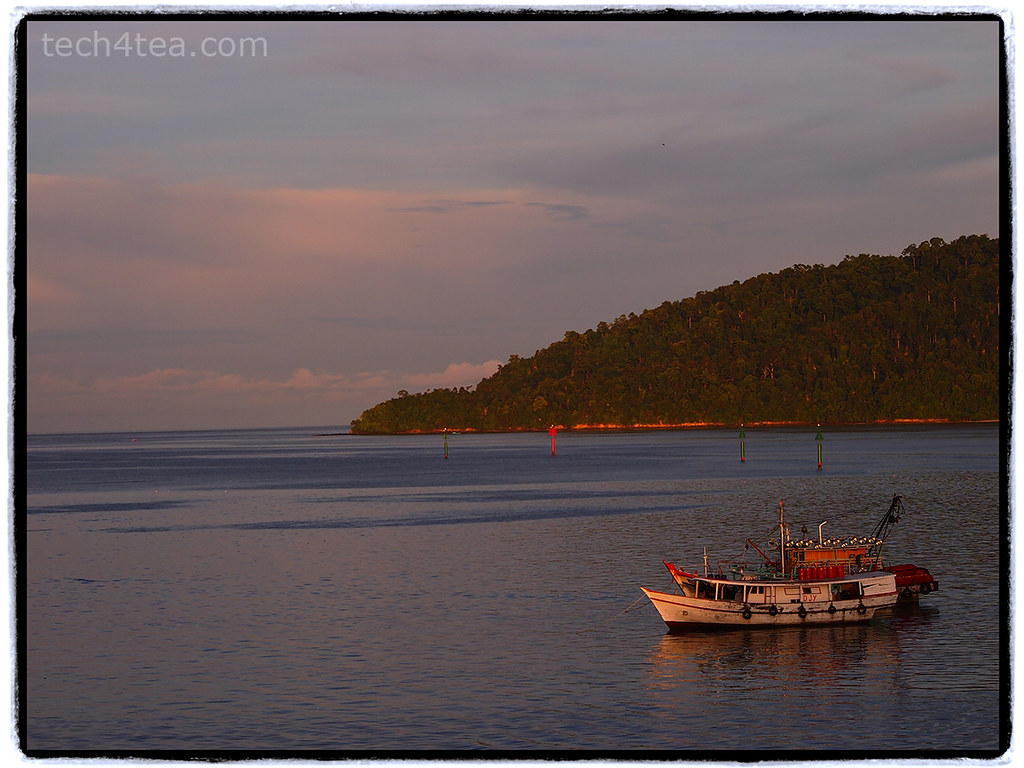
Sunrise at Kota Kinabalu. Taken with Olympus PEN E-P3 with 40-150mm kit lens using Frame effect.

Sunrise at Kota Kinabalu. Taken with Olympus PEN E-P3 with 40-150mm kit lens using Frame effect.

Night falls earlier in Sabah than in West Malaysia.

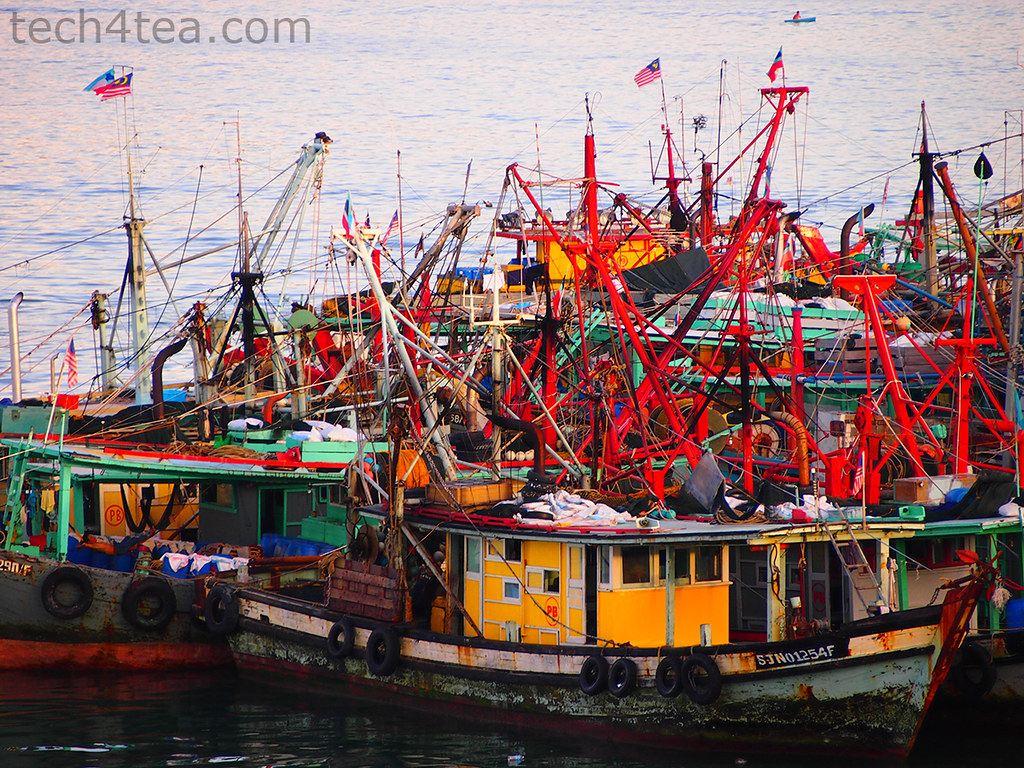
Fishing boats at the dock.

Fishing boats at the dock.

This is because their time zones were standardized in 1982 even though East and West Malaysia are really from different time zones in terms of geographical latitude.

Sunrise is also much earlier.

So photographers wanting to catch the golden hours to capture the sunrise/sunset over the South China Sea in Sabah would be well advised that the two timings are around 5:30 am and 6:00 pm local time respectively – lest they gear up and venture out only to discover that the show’s all but over.

The vegetable market starts early at dawn by the seaside of Kota Kinabalu.

The vegetable market starts early at dawn by the seaside of Kota Kinabalu.

A Sabahan I spoke with mused rather pensively that when he was in Kuala Lumpur, the sunrise was always late and he had to wait so hard for daylight to come.

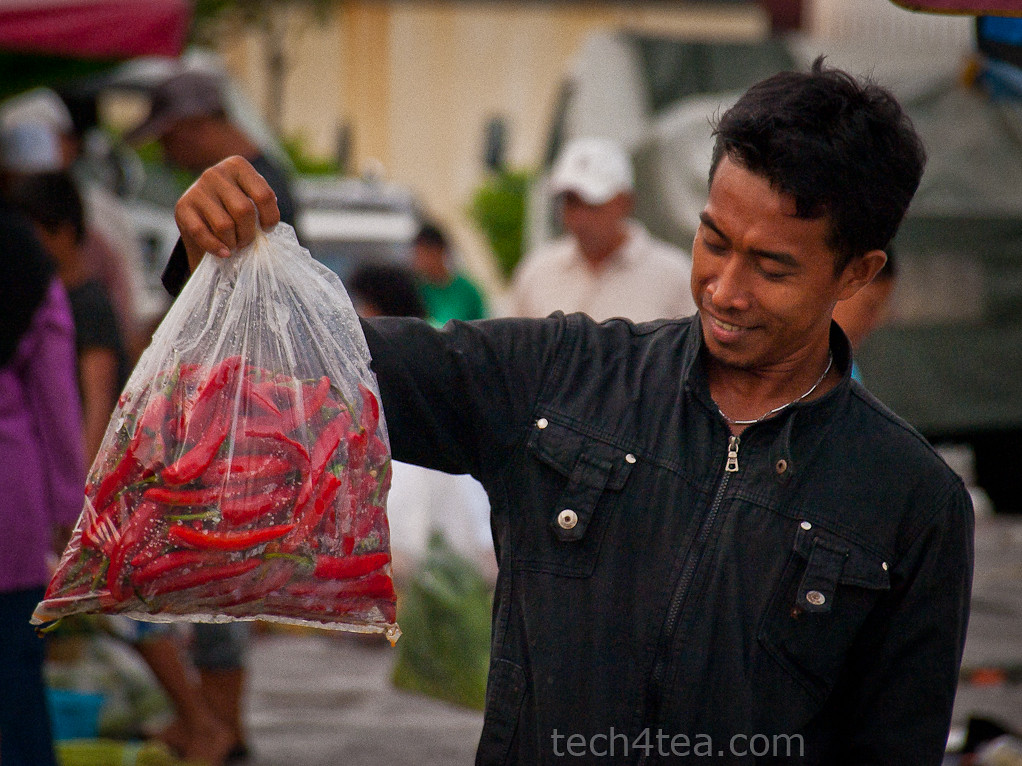
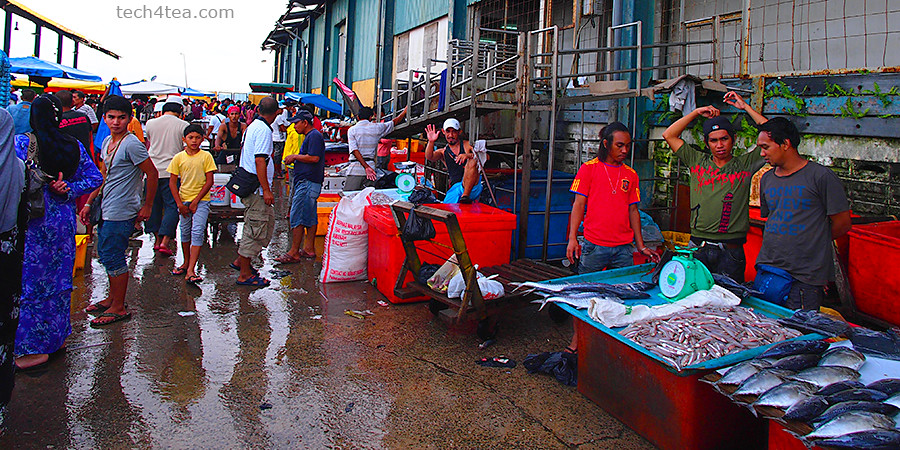
A local fish seller waving Selamat Pagi.

A local fish seller waving Selamat Pagi

This morning, I visited the early vegetable market across the hotel by the sea, followed by the fish market by the pier before hitting the Central market.

It was really interesting observing the locals do their marketing since these markets are really meant for them.

Upon returning, we headed for breakfast after a short visit to the gym, and returned to pack for check out.

At 11am, the guy from the car rental company swung by to send us to the airport.

Fish market in KK kicks off at the crack of dawn. Taken with Pop Art effect on a Olympus PEN E-P3 with 12mm lens which captured a wide FOV at the crowded local market.

The fish market in KK kicks off at the crack of dawn. Taken with Pop Art effect on a Olympus PEN E-P3 with 12mm lens which captured a wide FOV at the crowded local market.

Steven had offered to do so FOC when he turned up at the hotel to pick up the car on Monday night and observed that the fuel tank was still three-quarters full even though we were only required to return it with an empty tank.

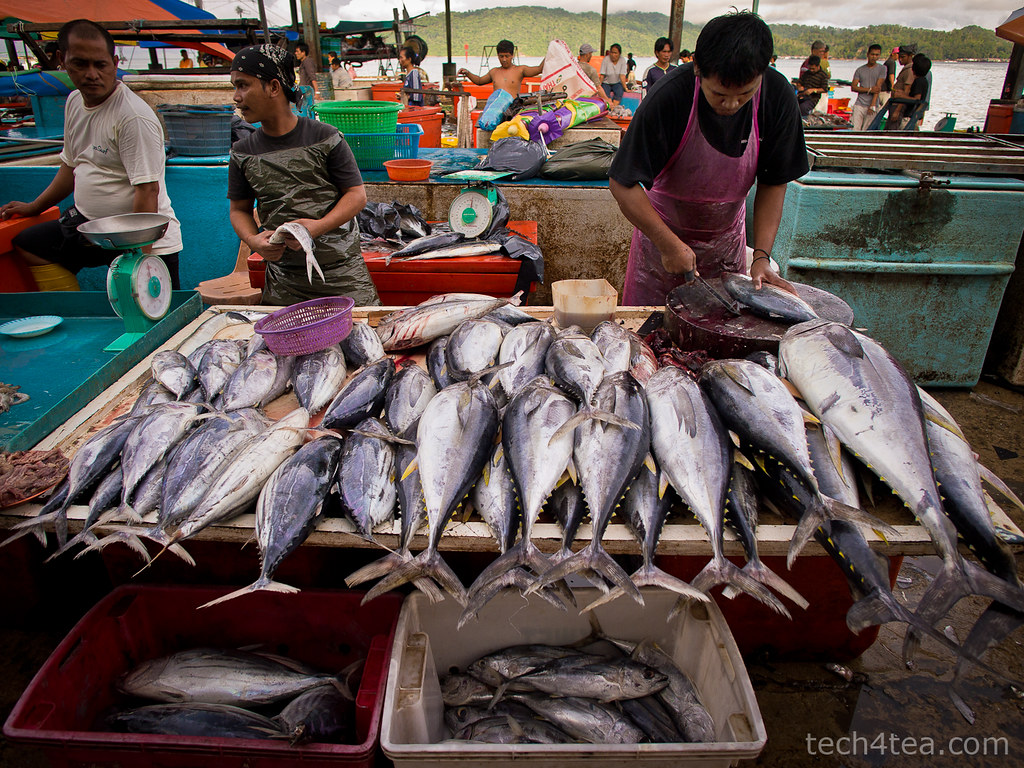
Freshly sliced fish. Taken with Olympus PEN E-P3 with 12mm lens right in front of the crowded stall.

Freshly sliced fish. Taken with Olympus PEN E-P3 with 12mm lens right in front of the crowded stall.

The rental company worked on a “pick up empty tank – return empty tank” principle.

A vegetables stall in Central market

A vegetables stall in Central market

The guy at the counter had advised me to fill up the tank for a drive from Kota Kinabalu to Mt Kinabalu and back.

It turned out I needed only one-third that amount.

Anyway, Steven took time out and picked a large clean car in order to send us to the airport, and refused to take any payment for his favour.

The guy from Kudat – some two hours drive from KK, at the tip of the dog’s ear – gave me a lasting good impression of an indigenous Sabahan.

The 45-minute flight to Sandakan on board the Air Asia Airbus A320-200 was uneventful. No more pigging out this time.

Another vegetable stall at Central market. Taken with Olympus PEN E-P3 with 12mm lens and Pop Art effect.

Another vegetable stall at Central market. Taken with Olympus PEN E-P3 with 12mm lens and Pop Art effect.

For the next three nights, we’ll be staying at a nice house in a gated estate that is so new that the optical fibre for Internet services has yet to be laid.

Seaside restaurant in Sandakan to which connoiseurs from West Malaysia specially fly to just to enjoy its fresh seafood.

Seaside restaurant in Sandakan to which connoiseurs from West Malaysia specially fly to just to enjoy its fresh seafood.

Our friend depends on his BlackBerry service for messaging and communication. Anyway, the plan was for us to immerse ourselves in nature.

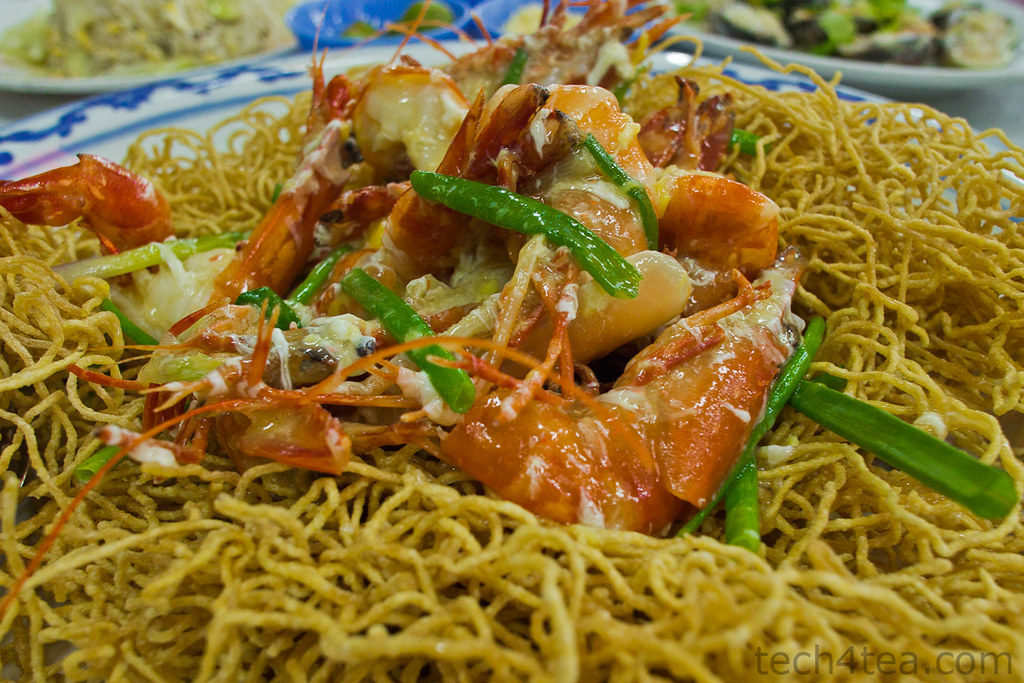
Prawns, clams, crabs and fish are the order of the day.

Prawns, clams, crabs and fish are the order of the day.

So it’s time to check out what Internet withdrawal symptoms are like – and the fabulous seafood that everyone in KK recommended up in Sandakan.

Travel: Marketing in Kota Kinabalu

Tuesday, November 29th, 2011

There is a market for everyone in KK: Sunday market, Night Bazaar, Central market, Handicraft market (formerly known as the Pasar Filipino), fish market, fruit and vegetable market.

Dried & salted fish market in Kota Kinabalu. Taken with Olympus PEN E-P3 12mm lens using Pop Art effect with Frame filter.

Dried & salted fish market in Kota Kinabalu. Taken with Olympus PEN E-P3 12mm lens using Pop Art effect with Frame filter.

Blue skies and whirlpool at Le Meridien in Kota Kinabalu. Olympus PEN E-P3 with 12mm lens.
Blue skies and whirlpool at Le Meridien in Kota Kinabalu.

We had missed the Sunday market because we arrived on Sunday night, but there was no stopping us from checking out the rest.

After spending the morning frolicking in the hotel’s pool, we headed out for lunch and the markets.

The lunch recommendation by the concierge turned out great.

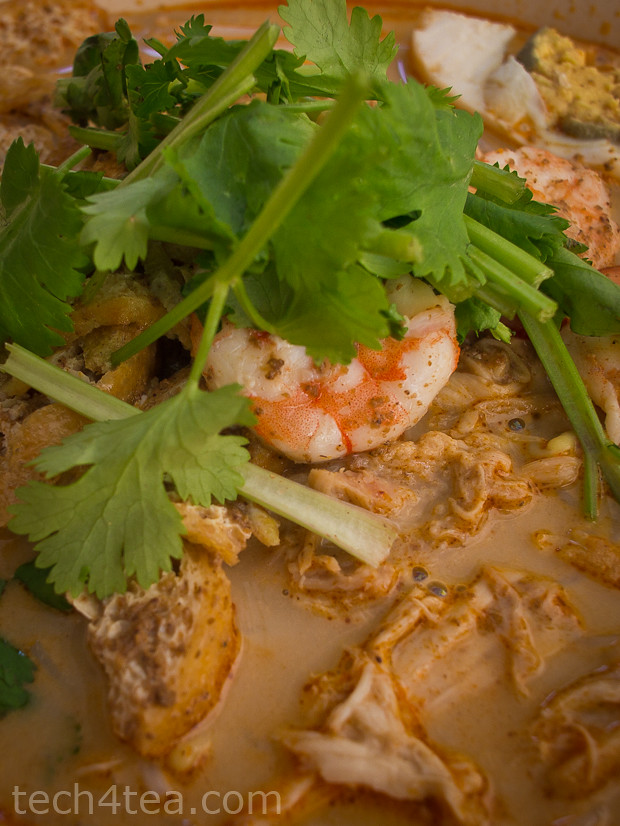
The Chinese coffee shop – Seng Heng – at the corner behind Le Meridien served great Tom Yam noodles, Laksa, Tuaran mee and Kon Loh noodles.

The three-flavored milk tea was good too, with large dollops of gula Melaka.

Handicraft market or Pasar Filipino. Taken with Olympus PEN E-P3 with 12mm lens.
Handicraft market or Pasar Filipino. Taken with Olympus PEN E-P3 with 12mm lens.

Laksa from Seng Hing restaurant

Laksa from Seng Hing restaurant

After lunch, we ventured into the markets across the road from the hotel and by the sea.

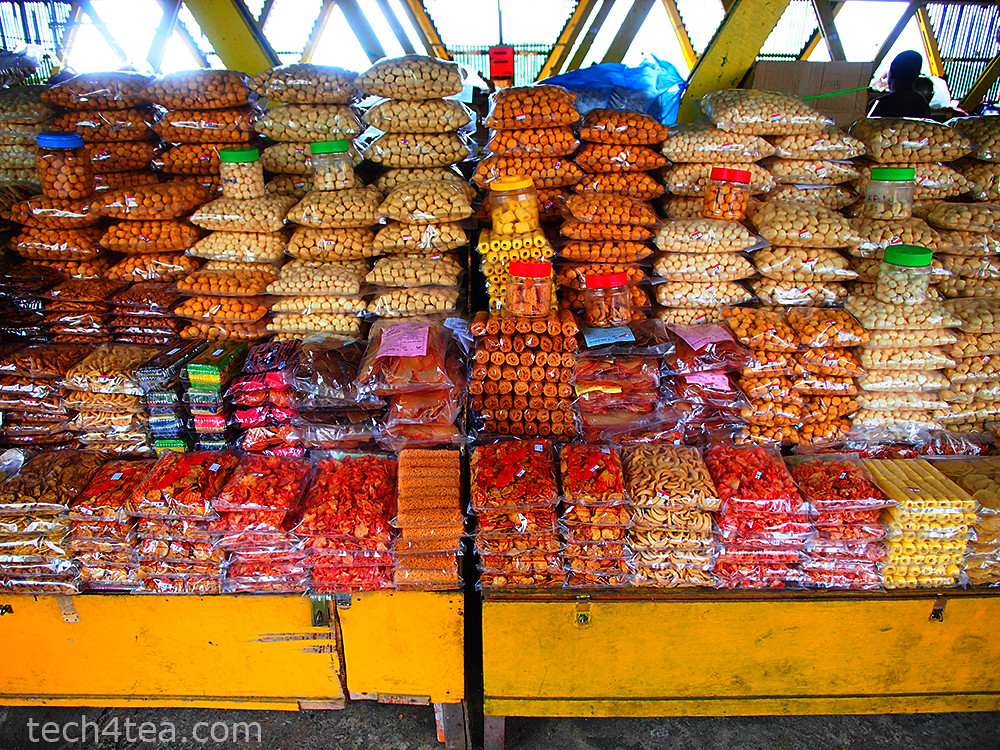
First was the dried and salted fish heaven with the attendant smells, then the handicraft market with plenty of souvenirs and sea water pearls, and finally the fruit market.

Two hours in the sweltering heat of the covered markets, and we dived headlong into the air-con comforts of Centrepoint shopping centre.

It is a shopping complex resembling Sungei Wang in Kuala Lumpur and the Holiday Inn in Johor Bahru.

Dried & fresh fruit market. Taken with Olympus PEN E-P3 with 12mm lens and Pop Art effect.

Dried & fresh fruit market. Taken with Olympus PEN E-P3 with 12mm lens and Pop Art effect.

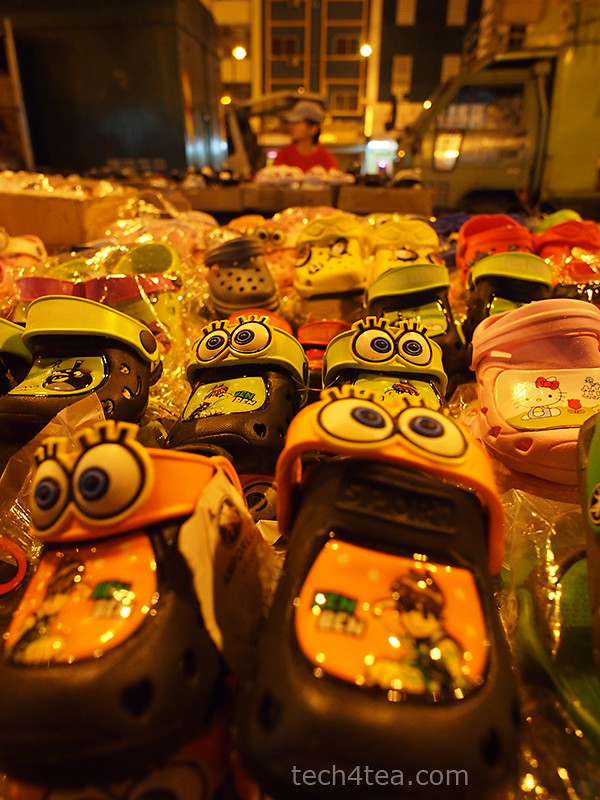
BenBen slippers at Night Bazaar

BenBen slippers at Night Bazaar

After reveling in banana-chocolate-cheese crepes, bubble strawberry icees, and cut guavas, we returned to the hotel for a breather.

Time for a full-body massage at the hotel’s spa to loosen the joints and ease the aches from the market hopping.

Anyway, after a heavy shower, we ventured to the night bazaar last evening.

No watches, no wallets, no bags or knapsacks.
Just some loose change and the hotel room key card.
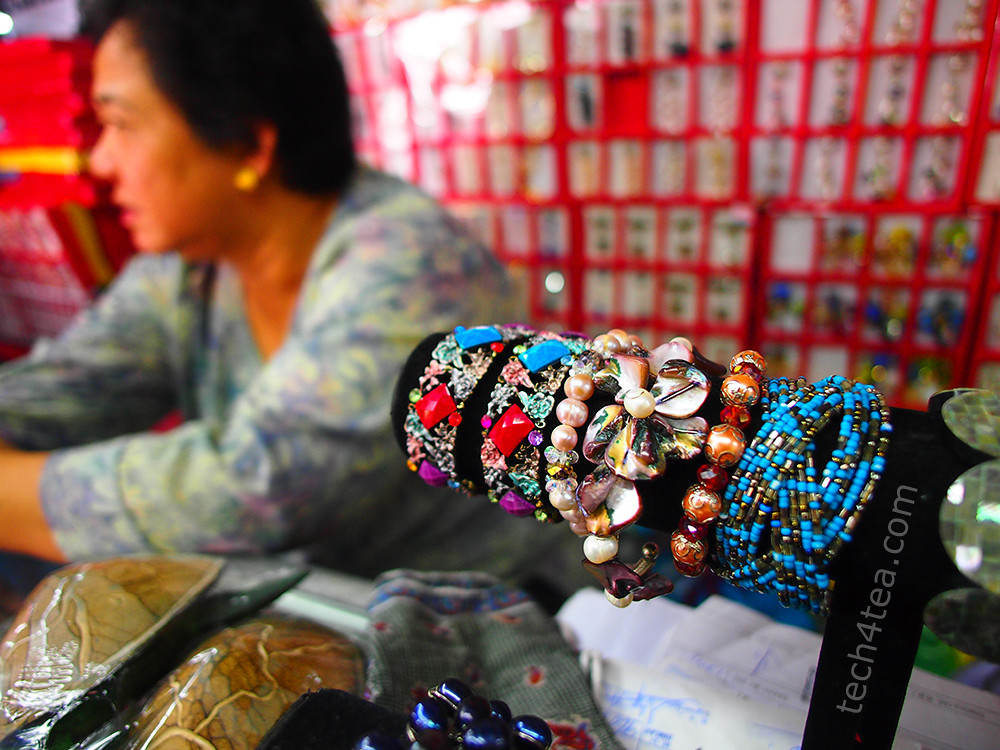
Trinkets at the Handicraft market. Taken with Olympus PEN E-P3.

Trinkets at the Handicraft market. Taken with Olympus PEN E-P3.

Seems the night bazaar is notorious for pickpockets.

The night bazaar turned out to be more of the same things as the handicraft market that we had visited earlier in the day – with an emphasis on pirated goods.

So we left after a short stroll through and left for dinner at the Warisan Center next to the Meridien.

It was then “Alamak … Toyol” time back at the hotel.

The DVD movie really brought back memories from the seventies, and other associated movies in the genre – such as Pontianak, and Orang Minyak.

Travel: When technology fails you

Monday, November 28th, 2011

That’s when old school topo skills come in useful.

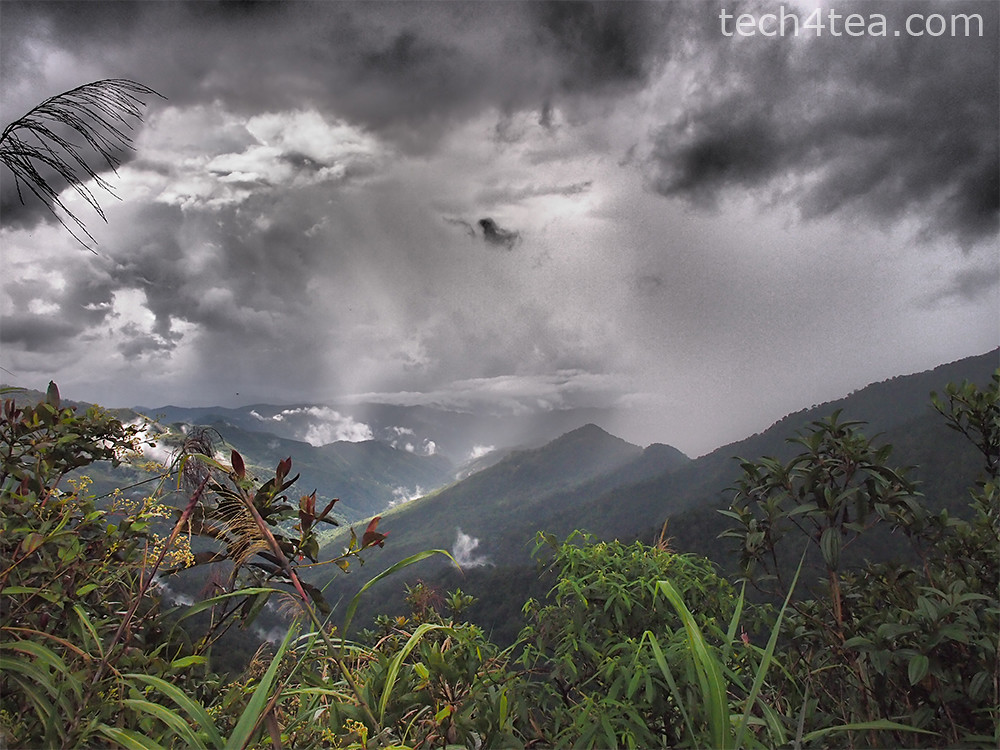
View from Base HQ of Mount Kinabalu. Taken with Dramatic Tone Art Effect on the Olympus PEN E-P3.

View from Base HQ of Mount Kinabalu. Taken with Dramatic Tone Art Effect on the Olympus PEN E-P3.

In the interest of packing light and reducing the gadget count, I’d decided to leave behind the TomTom VIA 280 dedicated GPS portable navigation device (PND) at home.

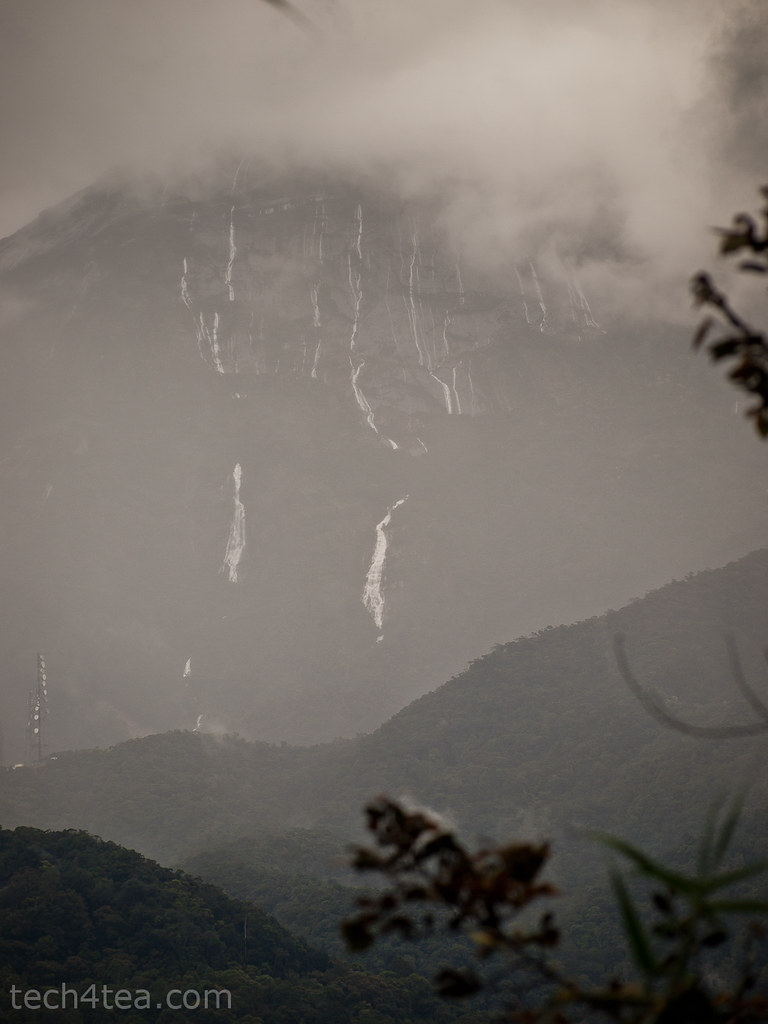
Mt Kinabalu, shrouded in clouds

Mt Kinabalu, shrouded in clouds

We were also undecided whether to rent a car to self-drive from Kota Kinabalu to Mount Kinabalu or to take a local tour.

Furthermore,  I’d just installed the equivalent turn-by-turn navigation app from TomTom on an  iPhone 3GS and found it to work as well as the PND while driving around Singapore.

When we arrived at 8pm last night, we found the rental rates at the airport to be reasonable and decided to go for the self-drive option.

Imagine our dismay when we found the iPhone 3GS could not get a GPS fix.

The other iPhone 3G that we had did not have any problems getting a fix so we realized the problem lay with the GPS unit within the iPhone 3GS.

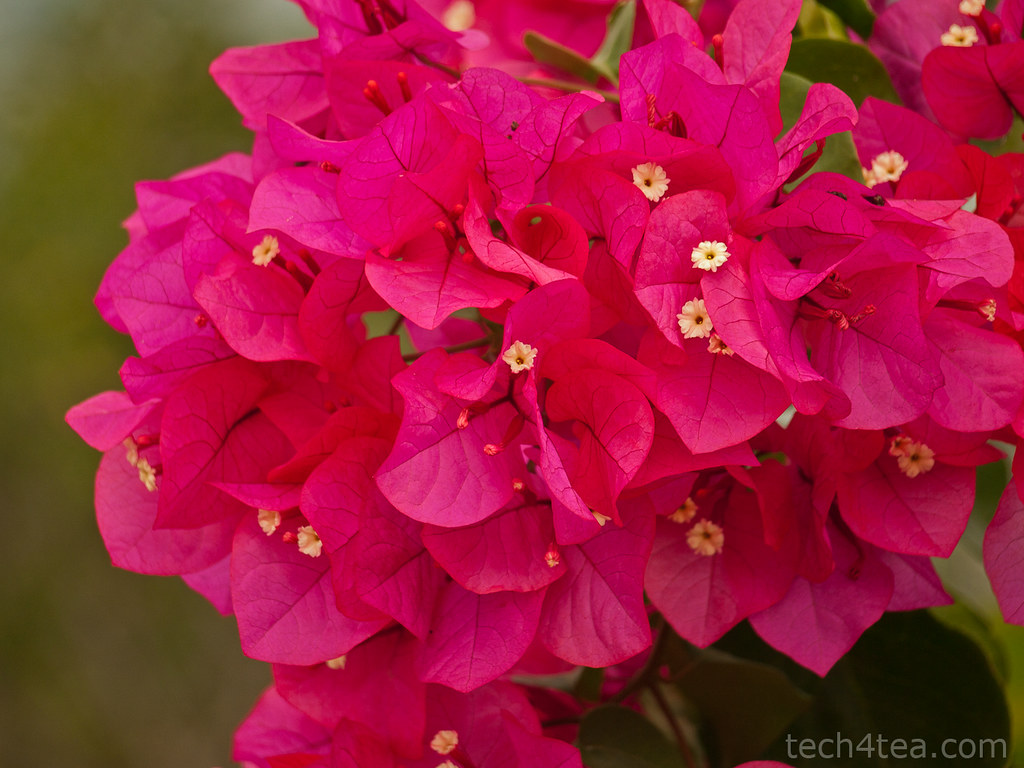
Fresh Bougainvillea enroute to Mount Kinabalu

Fresh Bougainvillea enroute to Mount Kinabalu

Fortunately, the 15-minute journey from the airport to the hotel was short and simple, and we managed it through good old verbal instructions from the rental guy and maps from the brochure.

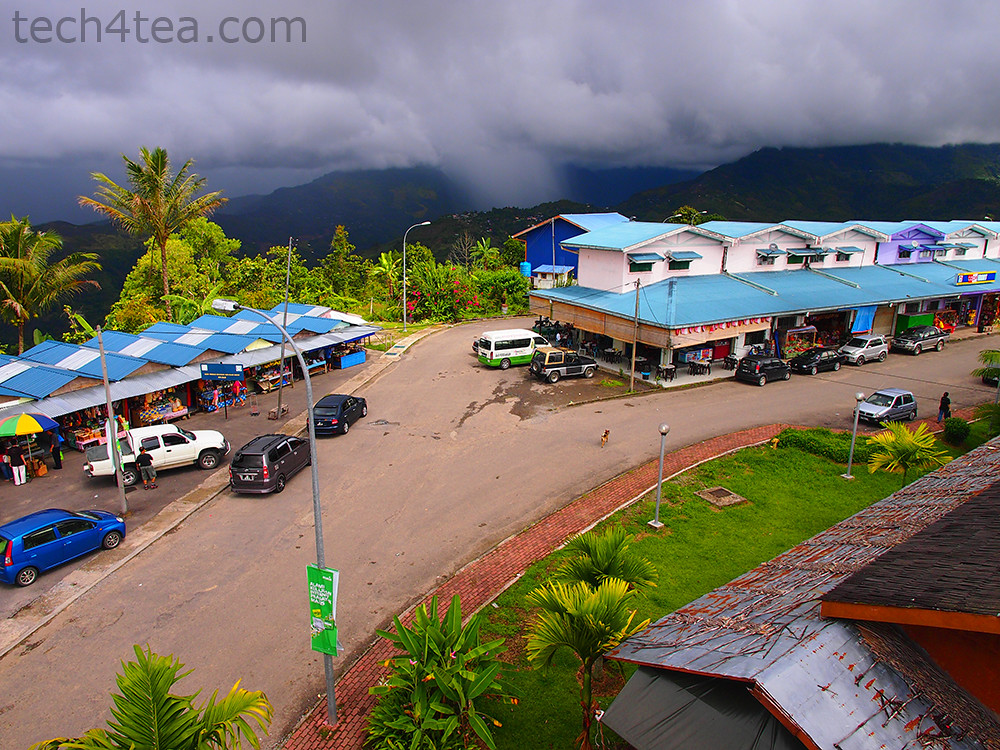
Pekan Nabalu enroute to Mt Kinabalu. Taken using Pop Art effect on Olympus PEN E-P3.

Pekan Nabalu enroute to Mt Kinabalu. Taken using Pop Art effect on Olympus PEN E-P3.

By the time we reached “Le Meridin” hotel (the neon light for the second “e” in Meridien must have burnt out), the iPhone 3GS still couldn’t get a fix.

The next morning, it was the same story, the 3GS couldn’t get a fix even though the 3G could.

Who would have thought a relatively simple and basic module like the GPS would fail on a month-old iPhone (Yes – I know – it’s two generations behind the iPhone 4S).

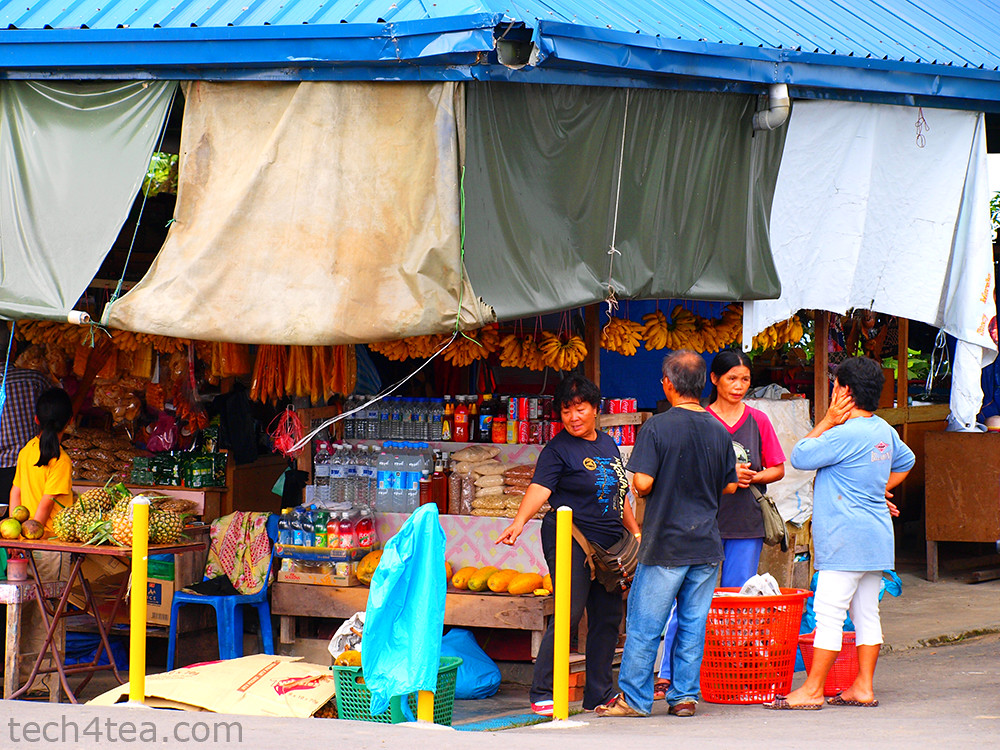
Stores at Pekan Nabalu. Olympus PEN E-P3 with Pop Art effect.

Stores at Pekan Nabalu. Olympus PEN E-P3 with Pop Art effect.

And the iPhone 3G (Yes – that’s THREE generations behind the iPhone 4S – and proud of that) didn’t have that app installed, and I wasn’t prepared to chalk up huge data roaming fees using the Google Maps app on the 3G.

So it was back to paper maps, driving instructions from the concierge, and old school topographical skills.

We’d driven around the complicated and tiny country roads of the Loire Valley in France on nothing more than paper maps, and surely the single highway route to Mt Kinabalu would be a piece of cake.

Prior to starting off, I ran the route through the Google Maps app on my iPhone 3G to download map data into the app’s cache using the hotel’s free WiFi. That should serve as reference later on during the drive.

Wild squirrel on the alert, at the foothills of Mt Kinabalu.

Wild squirrel on the alert, at the foothills of Mt Kinabalu.

We made the 2-hour drive to Mt Kinabalu smoothly. There was only one wrong turn prior to reaching the highway and a quick check on the Google Maps app on the iPhone 3G guided us back to the highway and we were on our way.

As in a marathon, most amateurs complete in more than 4 hours, although most choose to do the climb over 2 days, planning the arrival at the peak at sunrise.

As in a marathon, most amateurs complete in more than 4 hours, although most choose to do the climb over 2 days, planning the arrival at the peak at sunrise.

After a lunch stop at Pekan Nabalu, we reached the base HQ of Mt Kinabalu. Only at this highest mountain in Malaysia and South East Asia did the iPhone 3GS finally pick up a GPS signal, and it promptly told us we were some 300km away in Bandar Seri Begawan, the capital of Brunei.

After a long while it finally placed us at Mt Kinabalu. All along the way back to Kota Kinabalu, the GPS of the iPhone 3GS kept flip-flopping between our true location and Bandar Seri Begawan, forcing the GPS app to recalculate routes.

Half-way home, the 3GS decided it had had enough. It finally ran out of battery – from the constant search for a GPS signal, as well as its exertions to recalculate routes.

By which time, we’d all but given up on depending on the iPhone. I sure hope TomTom comes up with a GPS app on the Android.