Simply called the Mirror, the luxury smart mirror is available online for S$2,700. Only 500 pieces available worldwide.
A smart mirror for a smart home.
This smart mirror is like a giant smartphone screen which can function as a plain reflective mirror or as a giant Android tablet.
The mirror has a slim profile encased within a champagne gold frame, and can be installed anywhere in the home – be it the living room or in the bathroom.
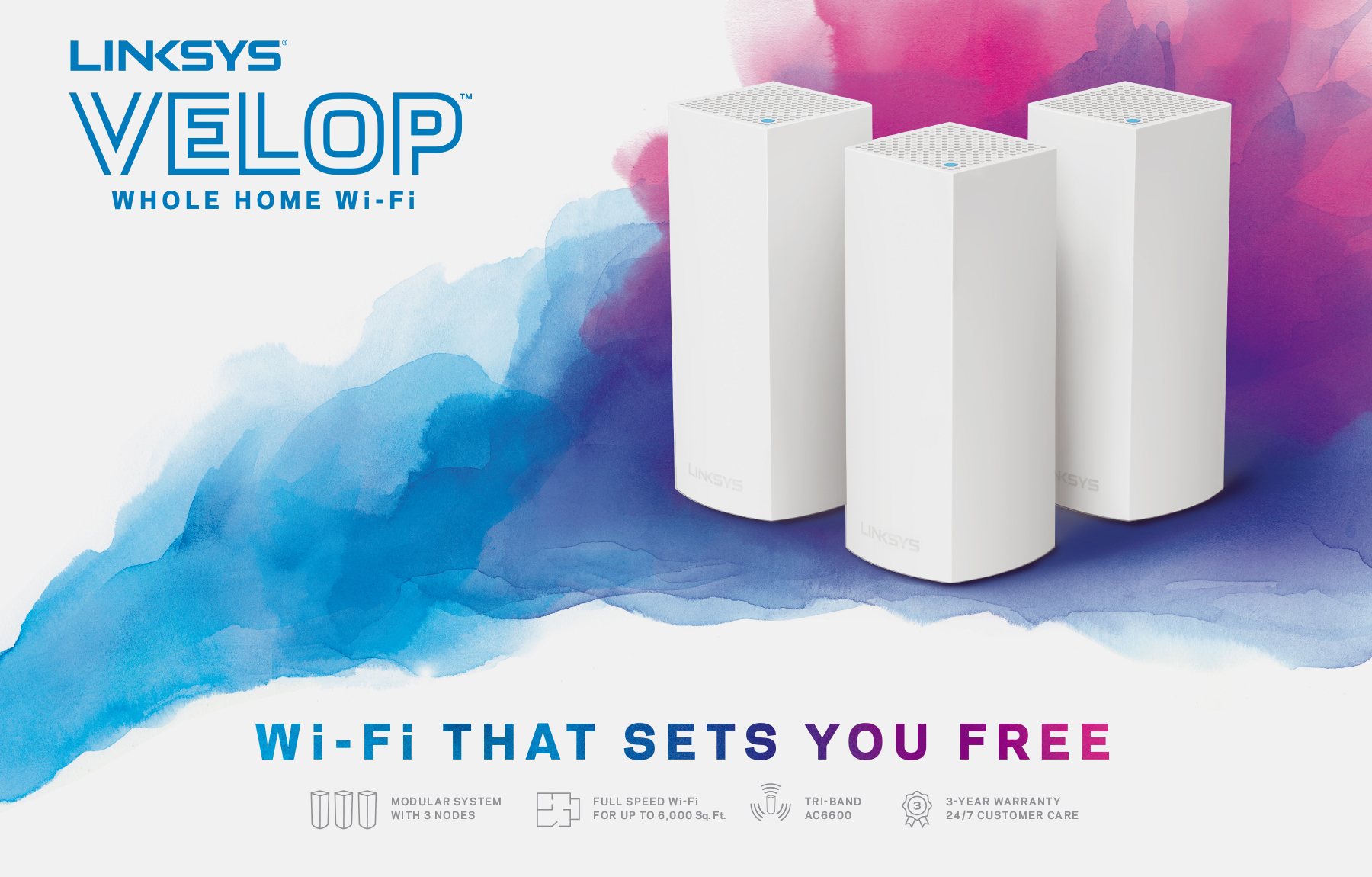
Linksys Velop promises to deploy your home Wi-Fi network to the furthest corner and ensure there are no dead Wi-Fi zones. Available from 12 April in Singapore in 1-pack (S$349), 2-pack (S$599), and 3-pack (S$749) configurations.
Sick of poor Wi-Fi signal in your own home? Check this out!
Velop is a Tri-Band modular Wi-Fi system that can be installed in various mesh configurations, helping users to get the most out of their broadband subscription by promising 100% of their Internet speed to the edge of their network.
The G6 is LG’S flagship smartphone sporting a sleek 18:9 aspect ratio, beefed up rear dual cameras and a stunning display all ready for HDR movies. Price in Singapore: S$988.
My take: The LG G6 packs a large display in a compact body, and is a strong flagship offering that goes back to basics to strengthen usability. Its 18:9 aspect ratio introduces new flexibility in terms of screen layout and user friendliness. The G6 also makes it easy to share the good photos it takes on social media through tight integration in the user interface.
The LG G6 sports a 5.7-inch QHD+ display with an 18:9 wide-screen aspect ratio.
The 2,880 x 1,440 pixels on-screen has a high resolution of 564ppi that’s similar to the 570ppi on its rival, the Samsung S8.
The LG G6 was first unveiled at Mobile World Congress 2017 towards the end of February and will be officially launched in Singapore tomorrow. I have been trying out the G6 (pre-launch handset) to get a feel of the new smartphone.
StarHub supports Singapore’s Smart Nation vision with the new 58,000 sq ft Hubtricity (创星之城) in within STT MediaHub in one-north. It went fully operational in December 2016.
“With Hubtricity, StarHub is investing in capabilities that will enable it to innovate and develop new digital products, services and solutions with partners across industries. Hubtricity will add to Singapore’s position as the Digital Capital of Asia and will create exciting jobs in Singapore in areas such as cyber security and social media analytics,” said Kiren Kumar, assistant managing director at EDB. Photo credit: Cassie Fong, StarHub.
The new facility acts as a foundation to accelerate service innovation and co-creation with partners and customers.
In so doing, StarHub hopes to transform Singapore into a vibrant and connected Smart Nation, enhancing people’s everyday lives, strengthening enterprise capabilities and deepening Singapore’s international connectivity.
The Jimu range of robots are designed to nurture kids and teens with an interest in STEM (Science, Technology, Engineering & Mathematics). There are five kits available. Prices below.
The Alpha1 Pro humanoid robot is designed to delight both children and adults and serve as a companion and member of the family. Available now in Singapore: S$899.
The UBTECH Alpha1 Pro was launched in Singapore together with the company’s Jimu range of robots, seen here on display together with the Alpha1 Pro.
The robot comes with 3D visual programming software and PRP (Pose, Record & Playback) function which is controlled in one app.
The UBTECH Alpha1 Pro is available now in retailers such as Tangs Orchard, Robinsons Heeren, Harvey Norman, Nubox Stores, Changi Airport Terminal 1, 2 & 3, Analogue+, hachi.tech (Online) Courts (Online), and authorised UBTECH retailers in Singapore.
UBTECH is exclusively distributed by Ban Leong Technologies Limited in Singapore.
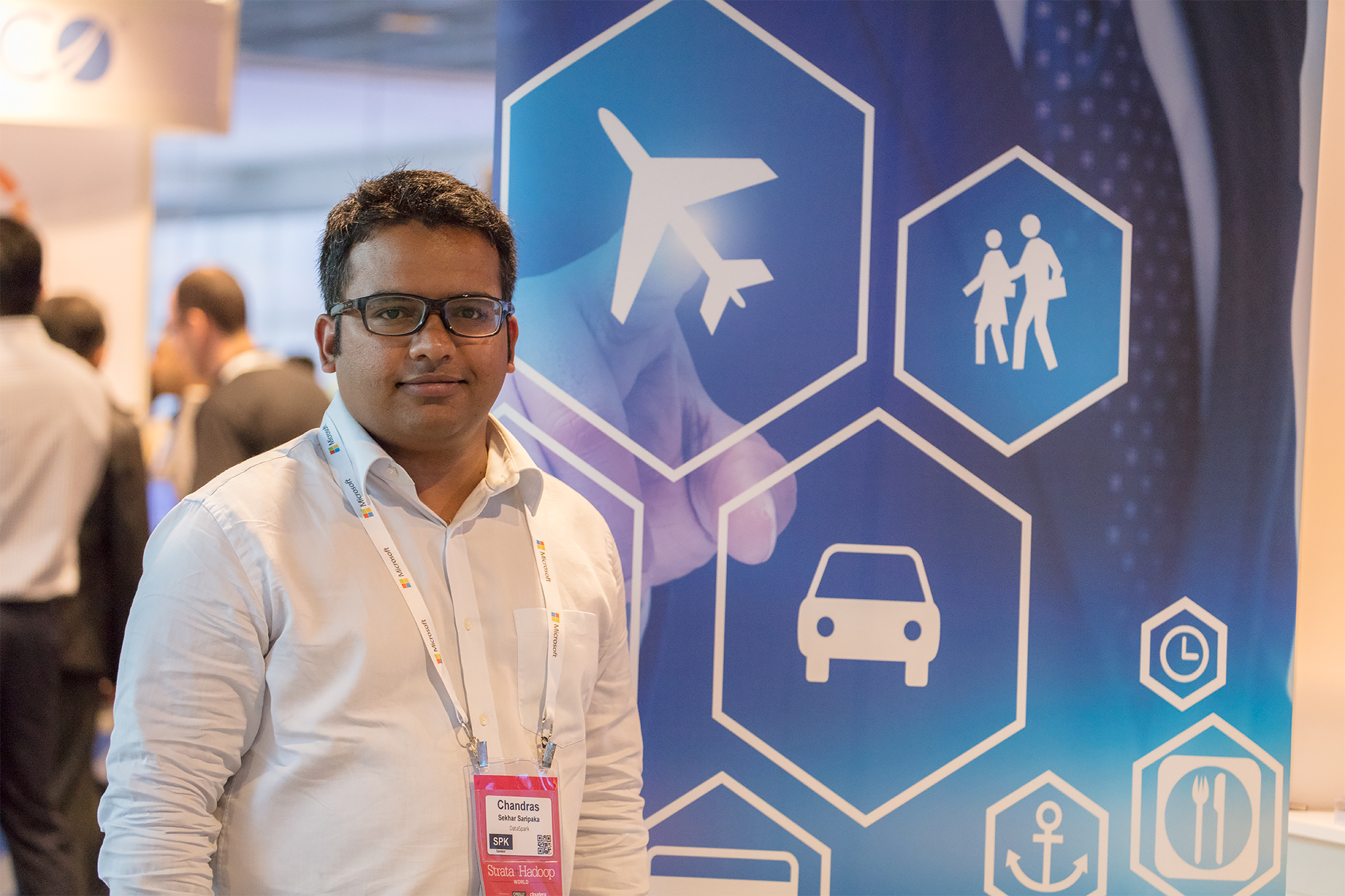
Chandra has had an illustrious career since graduating from the Jawaharlal Nehru Technological University in Hyderabad, India.
He began his career with Laser Soft Infosystems (a Polaris company) in 1995 where he progressed rapidly to become a senior software engineer leading a team of 13 before joining Franklin Templeton Investments one-and-a-half years later as a senior software analyst.
Chandra went on to join OpenText as an Advanced Software Engineer for two years, Standard Chartered Bank as a Senior Software Engineer and Framework Specialist for a further two years, and Barclays Investment Bank as a Big Data Lead for a year – before commencing his current job with Singtel and DataSpark in May 2014 as a Data Scientist.
As a Senior Data Engineer with DataSpark, he was one of two speakers from the company who participated in Strata + Hadoop World 2016 in Singapore, a conference which attracted the top minds around the world working on Big Data and analytics.
Chandra spoke on how to go “from telco data to spatial-temporal intelligence APIs”, by “architecting through microservices”.
He explained in detail the production architecture at DataSpark and how it works through terabytes of spatial-temporal telco data each day in PaaS mode.
Chandra also shared with fellow data scientists attending his talk how the platform operates in SaaS mode.
Chandra’s in-depth knowledge of Big Data makes him the best person to give pointers to an aspiring IT engineer in the field.
I’ve asked Chandra to share his valuable insights on carving a career in this intensely competitive arena.
What must today’s IT worker do to get a foothold in Big Data?
Chandra:There is a paradigm shift in the way traditional software is being transformed into data-driven software.
With the rise of many small and medium startups in the market, various cloud-ready tools – in terms of storage, compute, processing and visualisation – have emerged.
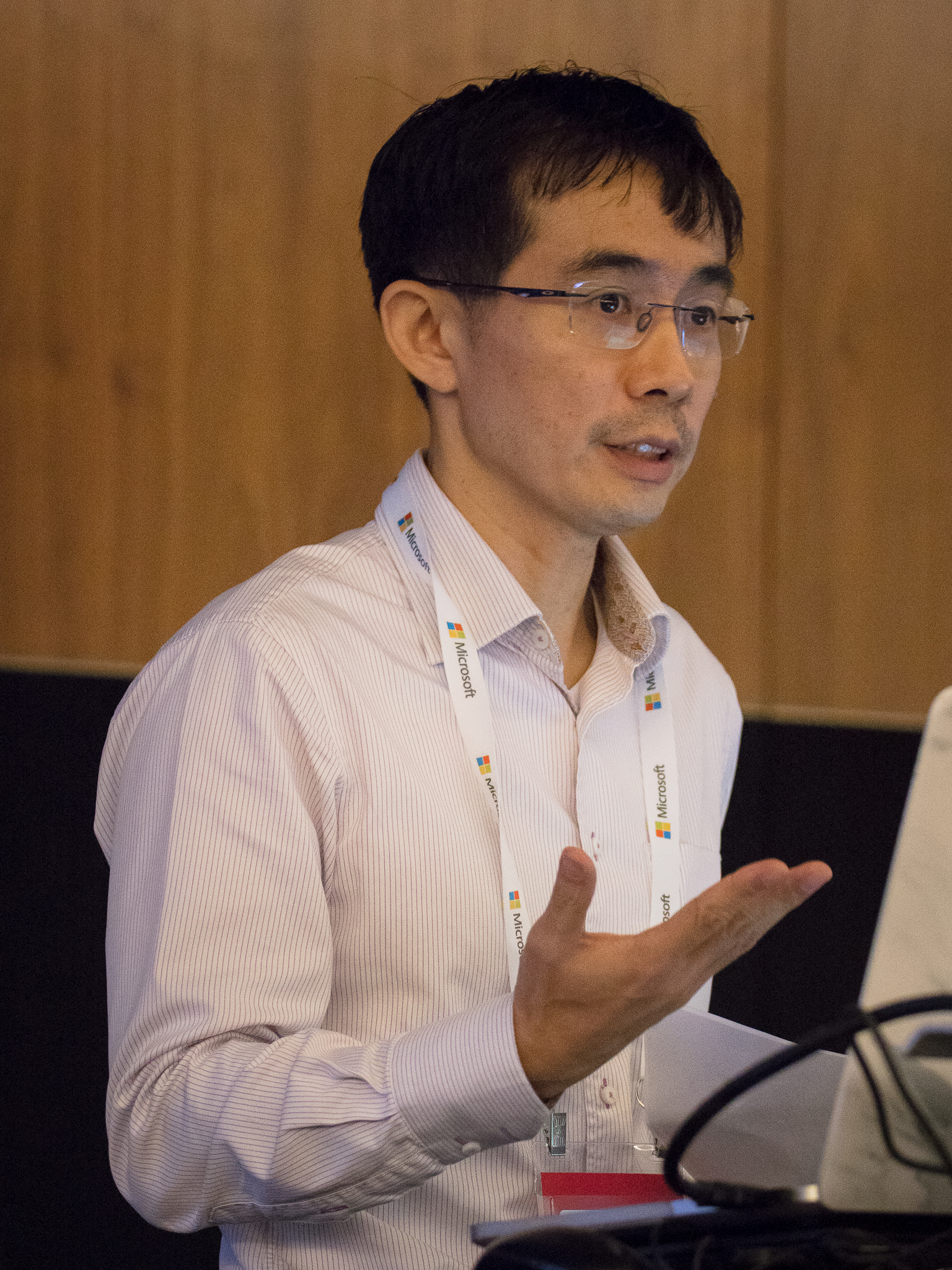
Ying Shao Wei – Chief Operating Officer, DataSpark – was one of the distinguished speakers in Strata + Hadoop World Singapore to helm a session attended by fellow data scientists and C-suite leaders as he shared his insights into the analysis of “mobility as a vital sign of people and the economy”.
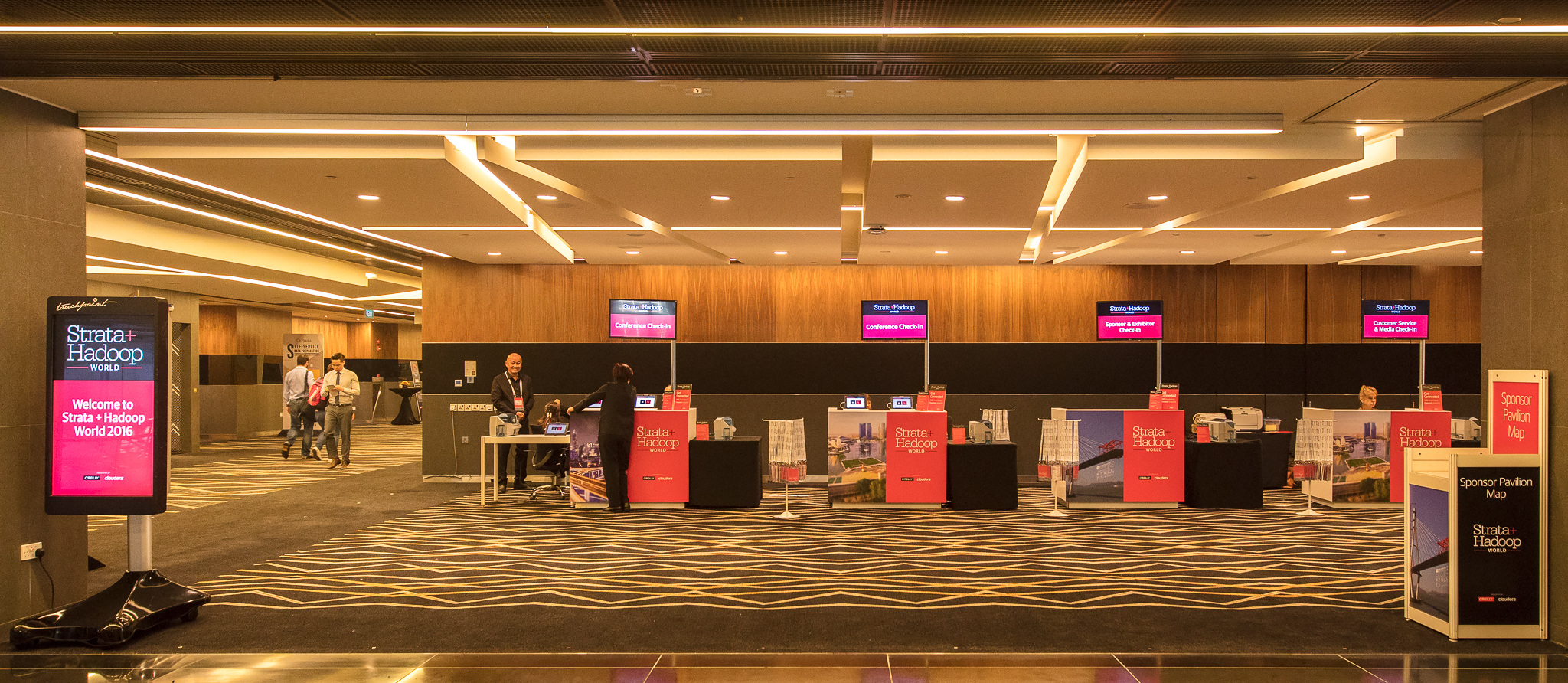
Strata + Hadoop World Singapore 2016 saw the congregation, in Singapore, of thought leaders in the Big Data analytics and insights arena, enabling practitioners to learn through the sharing of experiences and exchange of ideas. It also provided participants the opportunity to network for future collaboration.
To understand more about Big Data and where it is heading, I sat down with Ying to tap his insights into the trends and prospects of Big Data in this fast-paced sector.
Big Data is the buzz word in the world of Enterprise IT. However, to the man in the street, how does Big Data affect them in their daily lives?
Ying Shao Wei: There are significant ways in which Big Data is already benefiting the man in the street.
Ying is a veteran in the Big Data sector with deep expertise in telecommunications and Government sectors in multiple geographies across Asia.
The Imperial College graduate had served as a Deputy Director in the Ministry of Trade and Industry in Singapore, and was an Associate Principal in McKinsey and Company, before joining Singtel as Head of Strategy and Analytics in the Digital Life Group of the leading telco in Singapore.
Since 2014, Ying has led DataSpark as its COO, transforming the fledgling startup into an innovative Big Data analytics and insights powerhouse which leverages a variety of datasets and technologies to address geo-spatial needs across multiple industries.
Big Data enables the huge amount of customer feedback – through online reviews and social media – to be processed so that companies have a better chance of responding to and acting quickly upon such feedback.
So with Big Data, customers are more likely to have their preferences addressed.
When you visit an e-commerce website, you will be provided more relevant recommended products and services, thanks to recommendation systems enabled by Big Data.
Because of Big Data, I am able to see and sense my surrounding environment with better clarity than ever before.
When I use online maps to navigate or plan for a journey, I am using Big Data to save tremendous time and effort in getting from one place to another.
With Big Data, mobile subscribers are also now getting better network experiences when they use their mobile broadband connections.
DataSpark is a Big Data company that is part of Singtel, Asia’s leading communications group. The company participated in Strata + Hadoop World 2016 in Singapore with two speakers and an exhibition booth.
Strata + Hadoop World is one of the world’s leading conferences on big data, featuring some of the most progressive leaders in the industry.
Strata + Hadoop World first came to Singapore in 2015 with DataSpark participating as an exhibitor.
Strata + Hadoop World delves into areas that include Big Data in telecommunications and finance; smart cities and urban automation; IoT and intelligent real-time applications; data science and advanced analytics; chat, machine learning, and AI; security, governance and ethics; as well as the issues involved in becoming a data-centric company.
Other topics include design, visualisation, and VR, Hadoop use cases, Hadoop internals and development, production-ready Hadoop, Spark and beyond.
The sold-out conference also featured two speakers from DataSpark covering how the telco landscape could be invigorated by using data assets to create new applications, as well as the use of telco data to monitor traffic in Singapore.
With the resounding response during the inaugural conference in Singapore, DataSpark participated again in this year’s Strata + Hadoop World 2016, as an exhibitor with a booth in the Sponsor Pavilion.
As a thought leader in its mobility intelligence, two speakers from DataSpark were also showcased in the conference.
Mobility as a vital sign of people and the economy
Ying Shao Wei, Chief Operating Officer, spoke on “mobility as a vital sign of people and the economy”.
The audience learnt how telco-enabled insights could provide deep, refreshing and actionable perspectives on the health of urban infrastructure such as road and train systems; the economy, in terms of trade activities and major tourism events; as well as the general well-being of the populace.
Ying Shao Wei, Chief Operating Officer, DataSpark, spoke on how real-time insights from DataSpark’s software help the organisers and public authorities better understand how crowds build up and disperse and detect anomalies in the flow of people, enabling a better marshalling of ground resources to ensure public safety.
These telco-enabled insights were gleaned from the software platforms and data science engines that DataSpark has built to make sense of the interconnected world of digital devices and more than two hundred million users across Singapore, Australia, Indonesia, and Thailand.
The company has successfully applied data science methodologies and techniques, such as data mining and machine learning, to make discoveries about the interactions between users and their increasing number of devices, from mobile phones and tablets to TV set-top boxes and broadband devices.
With their expertise and developments in Big Data and analytics, DataSpark is well-positioned to ride the wave of Big Data adoption that the industry and governments are looking to embrace.