Archive for the ‘Travel’ Category

Travel: Marketing in Kota Kinabalu

Tuesday, November 29th, 2011

There is a market for everyone in KK: Sunday market, Night Bazaar, Central market, Handicraft market (formerly known as the Pasar Filipino), fish market, fruit and vegetable market.

Dried & salted fish market in Kota Kinabalu. Taken with Olympus PEN E-P3 12mm lens using Pop Art effect with Frame filter.

Dried & salted fish market in Kota Kinabalu. Taken with Olympus PEN E-P3 12mm lens using Pop Art effect with Frame filter.

Blue skies and whirlpool at Le Meridien in Kota Kinabalu. Olympus PEN E-P3 with 12mm lens.

Blue skies and whirlpool at Le Meridien in Kota Kinabalu.

We had missed the Sunday market because we arrived on Sunday night, but there was no stopping us from checking out the rest.

After spending the morning frolicking in the hotel’s pool, we headed out for lunch and the markets.

The lunch recommendation by the concierge turned out great.

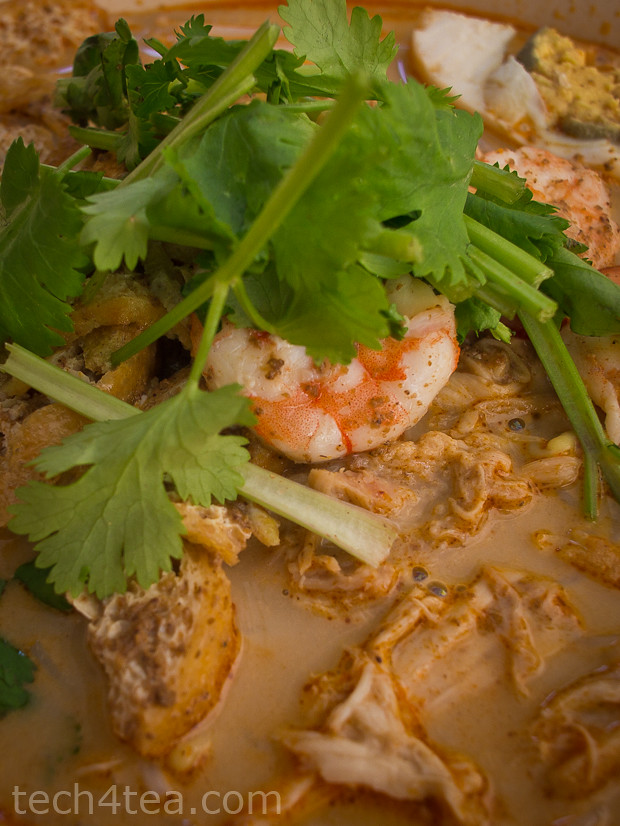
The Chinese coffee shop – Seng Heng – at the corner behind Le Meridien served great Tom Yam noodles, Laksa, Tuaran mee and Kon Loh noodles.

The three-flavored milk tea was good too, with large dollops of gula Melaka.
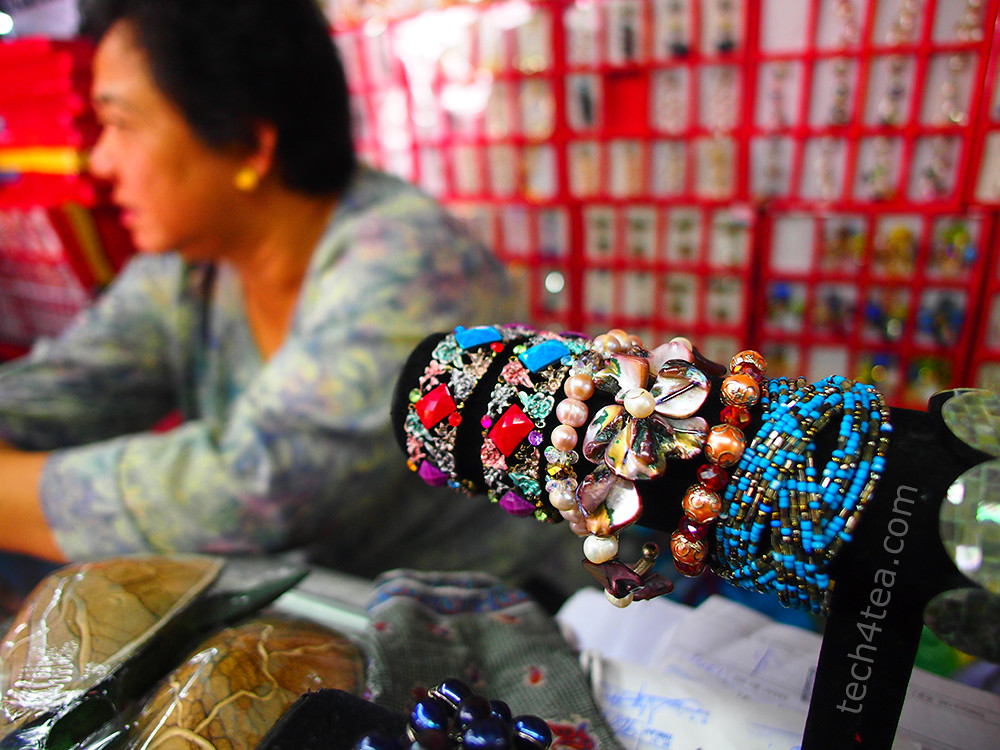
Handicraft market or Pasar Filipino. Taken with Olympus PEN E-P3 with 12mm lens.
Handicraft market or Pasar Filipino. Taken with Olympus PEN E-P3 with 12mm lens.

Laksa from Seng Hing restaurant

Laksa from Seng Hing restaurant

After lunch, we ventured into the markets across the road from the hotel and by the sea.

First was the dried and salted fish heaven with the attendant smells, then the handicraft market with plenty of souvenirs and sea water pearls, and finally the fruit market.

Two hours in the sweltering heat of the covered markets, and we dived headlong into the air-con comforts of Centrepoint shopping centre.

It is a shopping complex resembling Sungei Wang in Kuala Lumpur and the Holiday Inn in Johor Bahru.
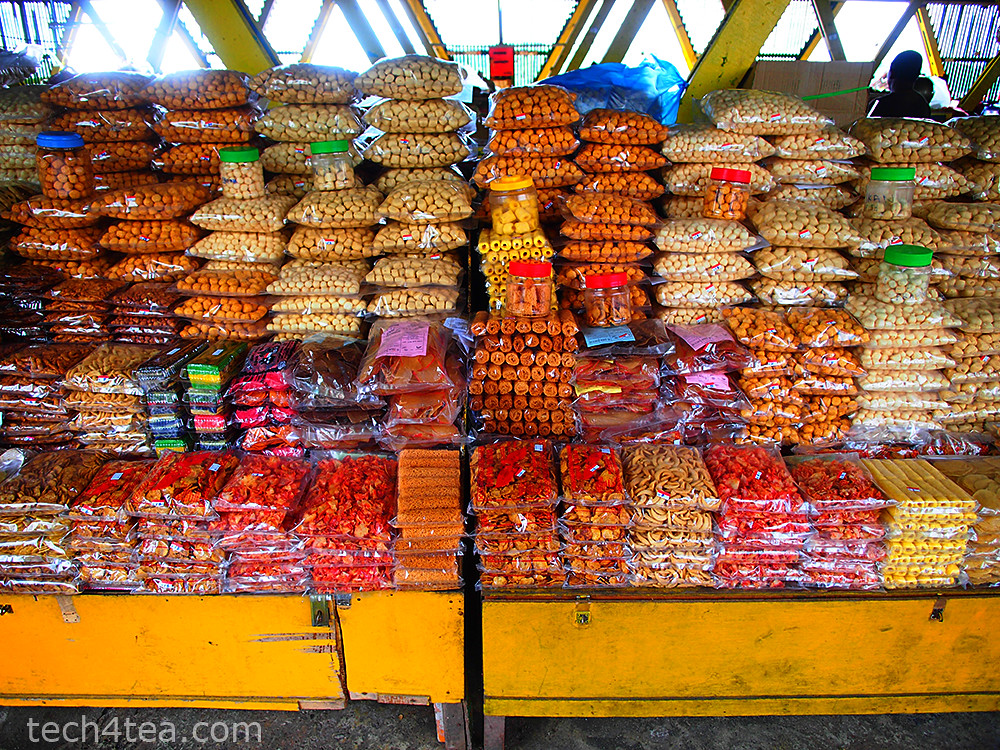
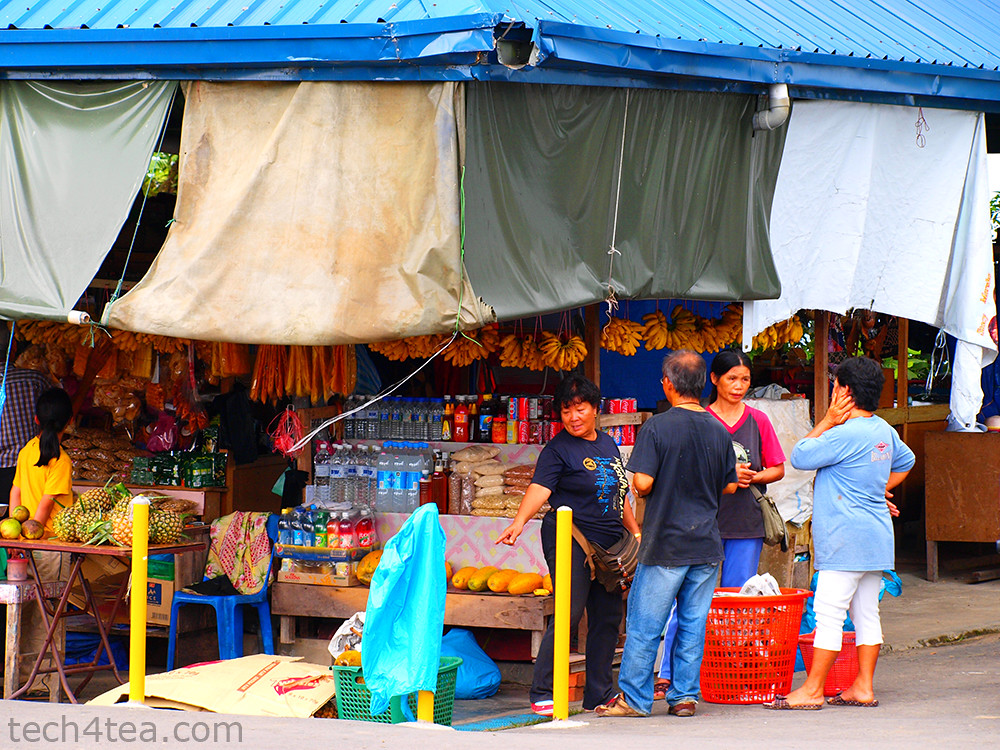
Dried & fresh fruit market. Taken with Olympus PEN E-P3 with 12mm lens and Pop Art effect.
Dried & fresh fruit market. Taken with Olympus PEN E-P3 with 12mm lens and Pop Art effect.

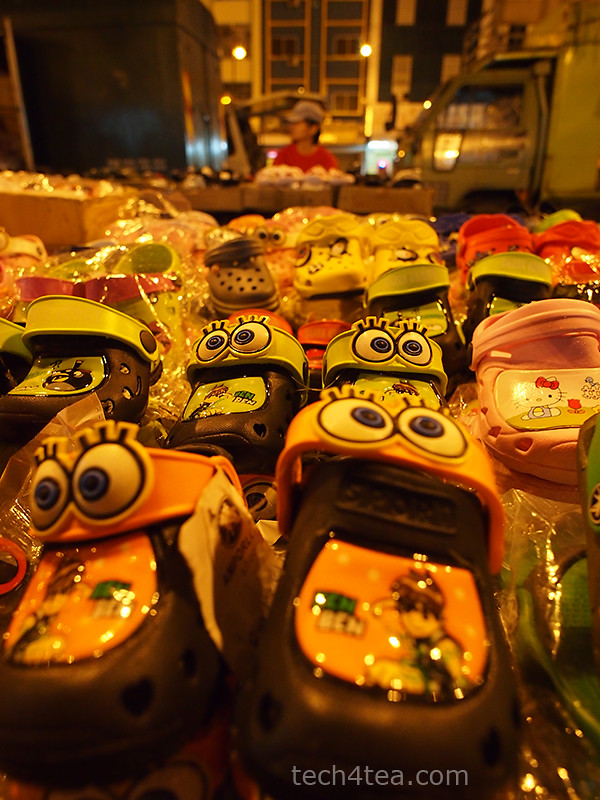
BenBen slippers at Night Bazaar

BenBen slippers at Night Bazaar

After reveling in banana-chocolate-cheese crepes, bubble strawberry icees, and cut guavas, we returned to the hotel for a breather.

Time for a full-body massage at the hotel’s spa to loosen the joints and ease the aches from the market hopping.

Anyway, after a heavy shower, we ventured to the night bazaar last evening.

No watches, no wallets, no bags or knapsacks.

Just some loose change and the hotel room key card.

Trinkets at the Handicraft market. Taken with Olympus PEN E-P3.

Trinkets at the Handicraft market. Taken with Olympus PEN E-P3.

Seems the night bazaar is notorious for pickpockets.

The night bazaar turned out to be more of the same things as the handicraft market that we had visited earlier in the day – with an emphasis on pirated goods.

So we left after a short stroll through and left for dinner at the Warisan Center next to the Meridien.

It was then “Alamak … Toyol” time back at the hotel.

The DVD movie really brought back memories from the seventies, and other associated movies in the genre – such as Pontianak, and Orang Minyak.
Travel: When technology fails you

Monday, November 28th, 2011

That’s when old school topo skills come in useful.

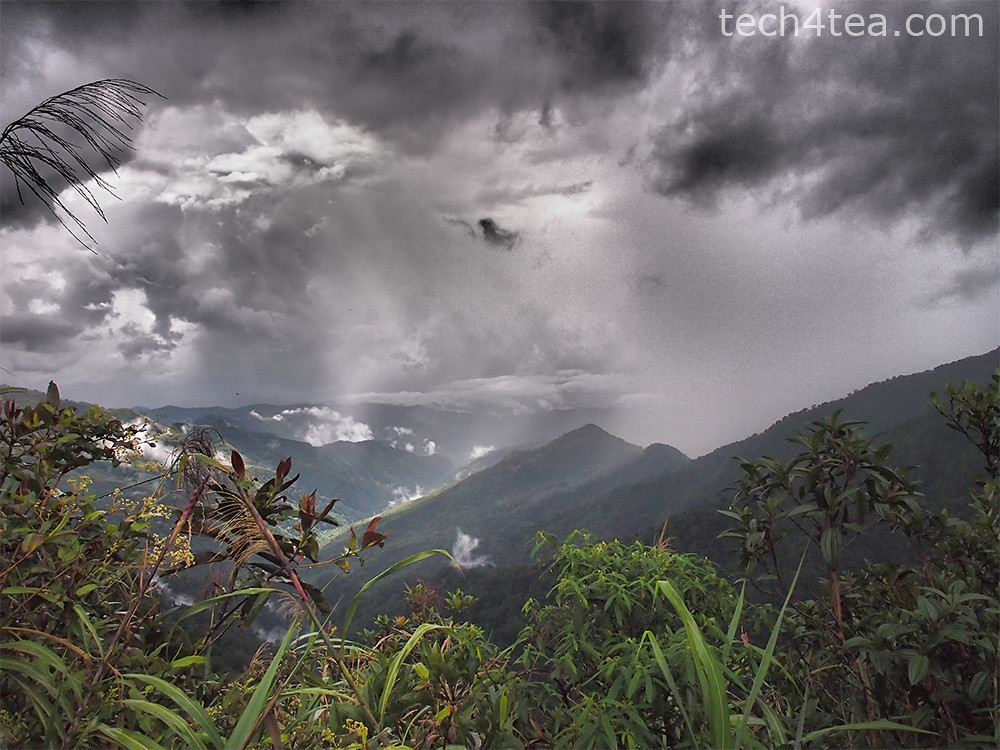
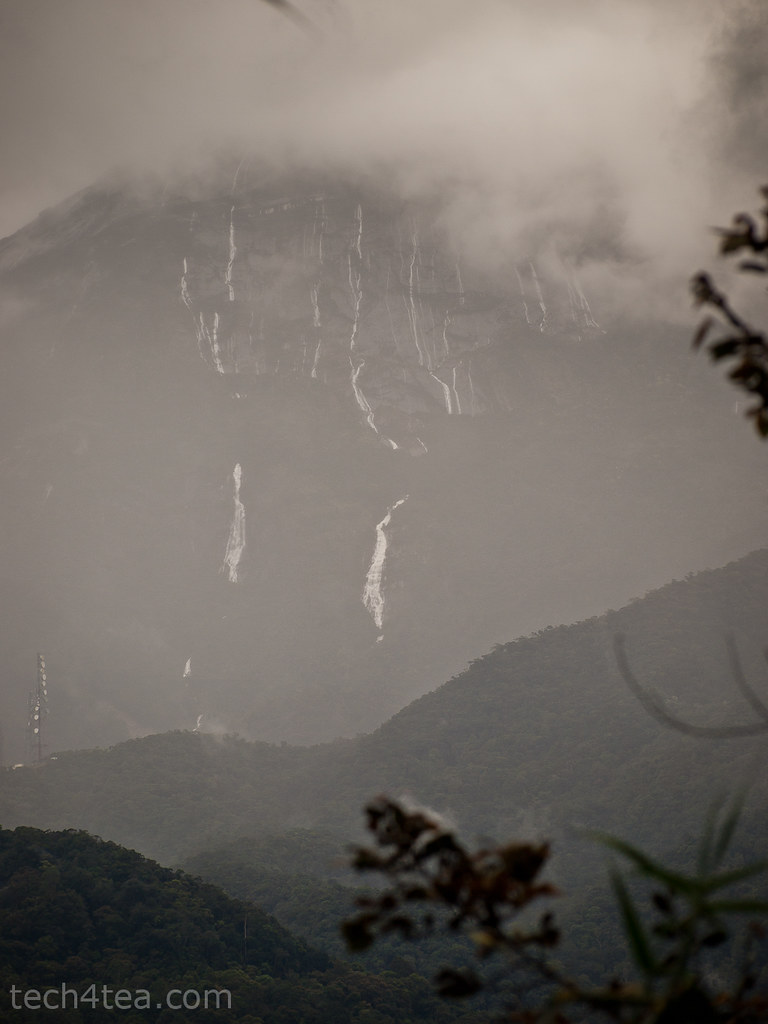
View from Base HQ of Mount Kinabalu. Taken with Dramatic Tone Art Effect on the Olympus PEN E-P3.

View from Base HQ of Mount Kinabalu. Taken with Dramatic Tone Art Effect on the Olympus PEN E-P3.

In the interest of packing light and reducing the gadget count, I’d decided to leave behind the TomTom VIA 280 dedicated GPS portable navigation device (PND) at home.

Mt Kinabalu, shrouded in clouds

Mt Kinabalu, shrouded in clouds

We were also undecided whether to rent a car to self-drive from Kota Kinabalu to Mount Kinabalu or to take a local tour.

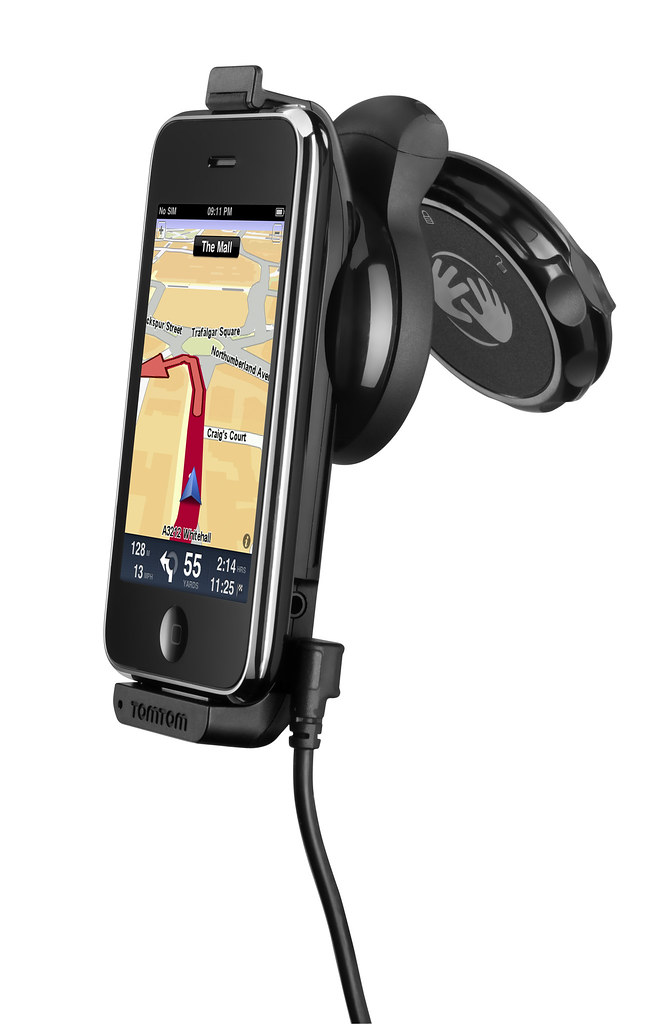
Furthermore,  I’d just installed the equivalent turn-by-turn navigation app from TomTom on an  iPhone 3GS and found it to work as well as the PND while driving around Singapore.

When we arrived at 8pm last night, we found the rental rates at the airport to be reasonable and decided to go for the self-drive option.

Imagine our dismay when we found the iPhone 3GS could not get a GPS fix.

The other iPhone 3G that we had did not have any problems getting a fix so we realized the problem lay with the GPS unit within the iPhone 3GS.

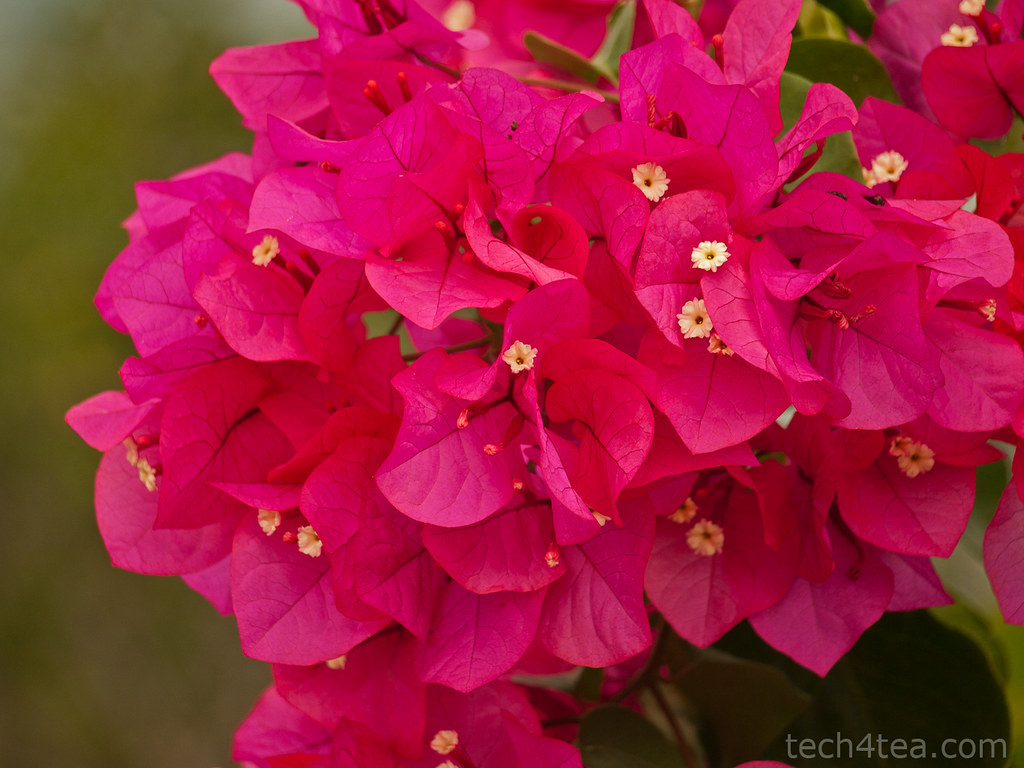
Fresh Bougainvillea enroute to Mount Kinabalu

Fresh Bougainvillea enroute to Mount Kinabalu

Fortunately, the 15-minute journey from the airport to the hotel was short and simple, and we managed it through good old verbal instructions from the rental guy and maps from the brochure.

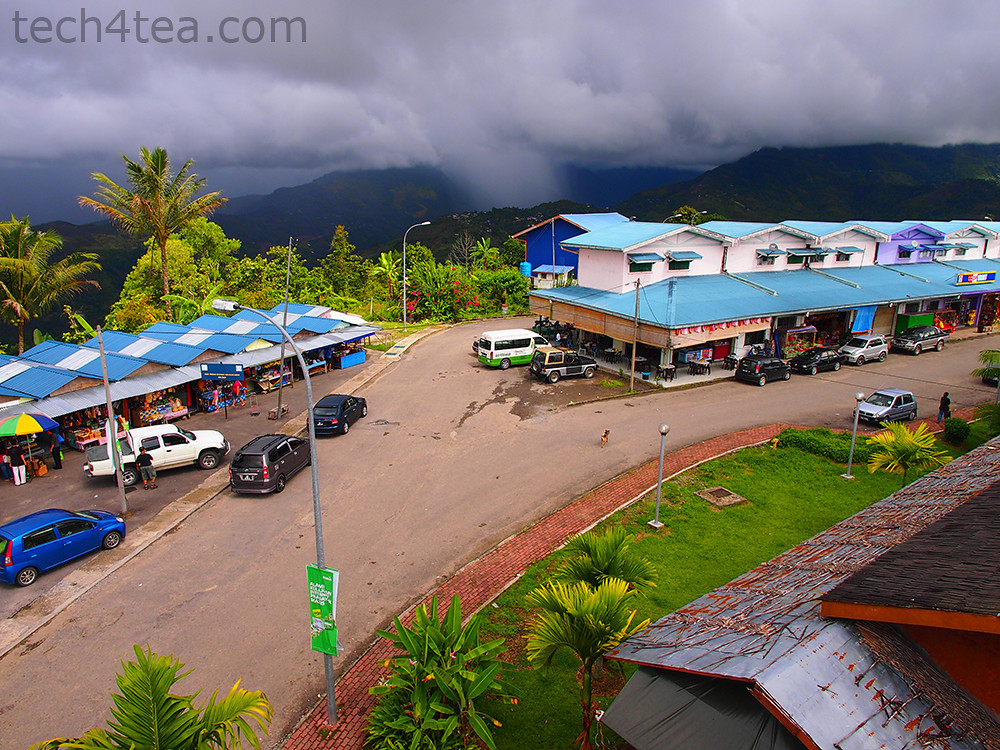
Pekan Nabalu enroute to Mt Kinabalu. Taken using Pop Art effect on Olympus PEN E-P3.

Pekan Nabalu enroute to Mt Kinabalu. Taken using Pop Art effect on Olympus PEN E-P3.

By the time we reached “Le Meridin” hotel (the neon light for the second “e” in Meridien must have burnt out), the iPhone 3GS still couldn’t get a fix.

The next morning, it was the same story, the 3GS couldn’t get a fix even though the 3G could.

Who would have thought a relatively simple and basic module like the GPS would fail on a month-old iPhone (Yes – I know – it’s two generations behind the iPhone 4S).

Stores at Pekan Nabalu. Olympus PEN E-P3 with Pop Art effect.

Stores at Pekan Nabalu. Olympus PEN E-P3 with Pop Art effect.

And the iPhone 3G (Yes – that’s THREE generations behind the iPhone 4S – and proud of that) didn’t have that app installed, and I wasn’t prepared to chalk up huge data roaming fees using the Google Maps app on the 3G.

So it was back to paper maps, driving instructions from the concierge, and old school topographical skills.

We’d driven around the complicated and tiny country roads of the Loire Valley in France on nothing more than paper maps, and surely the single highway route to Mt Kinabalu would be a piece of cake.

Prior to starting off, I ran the route through the Google Maps app on my iPhone 3G to download map data into the app’s cache using the hotel’s free WiFi. That should serve as reference later on during the drive.

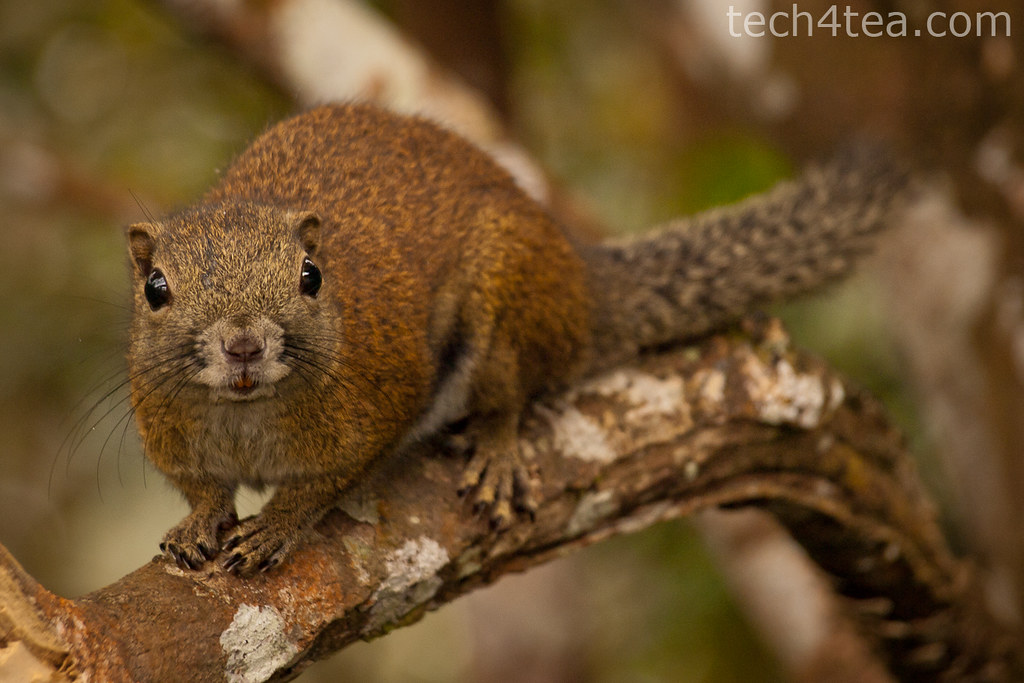
Wild squirrel on the alert, at the foothills of Mt Kinabalu.

Wild squirrel on the alert, at the foothills of Mt Kinabalu.

We made the 2-hour drive to Mt Kinabalu smoothly. There was only one wrong turn prior to reaching the highway and a quick check on the Google Maps app on the iPhone 3G guided us back to the highway and we were on our way.

As in a marathon, most amateurs complete in more than 4 hours, although most choose to do the climb over 2 days, planning the arrival at the peak at sunrise.

As in a marathon, most amateurs complete in more than 4 hours, although most choose to do the climb over 2 days, planning the arrival at the peak at sunrise.

After a lunch stop at Pekan Nabalu, we reached the base HQ of Mt Kinabalu. Only at this highest mountain in Malaysia and South East Asia did the iPhone 3GS finally pick up a GPS signal, and it promptly told us we were some 300km away in Bandar Seri Begawan, the capital of Brunei.

After a long while it finally placed us at Mt Kinabalu. All along the way back to Kota Kinabalu, the GPS of the iPhone 3GS kept flip-flopping between our true location and Bandar Seri Begawan, forcing the GPS app to recalculate routes.

Half-way home, the 3GS decided it had had enough. It finally ran out of battery – from the constant search for a GPS signal, as well as its exertions to recalculate routes.

By which time, we’d all but given up on depending on the iPhone. I sure hope TomTom comes up with a GPS app on the Android.

Travel: To the land of the dog head

Sunday, November 27th, 2011

Tall mountain, Orang Utans and Proboscis Monkeys beckon from the land of the Sabahan

Clearing customs at Kota Kinabalu Terminal 2

Clearing customs at Kota Kinabalu Terminal 2

My earliest memory of Sabah came in the form of a geography tip. One elder sibling was telling another, “Sabah is the state whose map looks like the head of a dog.” I was a mere toddler than but that little factoid has stuck in my mind ever since.

The Airbus 320-200 from Singapore to Kota Kinabalu in Sabah was fully packed.

The Airbus 320-200 from Singapore to Kota Kinabalu in Sabah was fully packed.

This December school holidays, we’d decided to venture into nature for a week at the invitation of a friend who runs plantations in Sandakan. The plan was to fly to Kota Kinabalu, check out the capital city of Sabah state for 3 days, and fly to Sandakan for another three days to visit the nature reserves there.

Incidentally, this was the first time the family flew Air Asia. In planning the flights, I found the website user friendly and easy to use, and much more responsive and less frustrating than that of SIA, even though I’m much more familiar with the latter’s website.

As a budget airline, everything came down to options and dollars and sense. You want this – here’s the price. Don’t want? Leave it out to save some money.

There wasn't much selection of food left cos' we didn't pre-order.

There wasn’t much selection of food left cos’ we didn’t pre-order.

Prior to going to the airport, I checked in for all four flights online.

At the airport, the Air Asia staff verifying documents and checking carry-on luggage was very friendly and approachable and even though we busted the limits of our carry-on luggage, she let us off with a gentle admonishment.

Actually, we wouldn’t have busted the 7kg limit if we’d separated out the camera bag and the laptop bag which were allowed on board over and above the 7kg limit – so next time, we’ll pay more attention since they check so rigorously.

The 2.5-hour flight was smooth. I’d thought we didn’t need to eat on such a short flight and had not pre-booked any food for the flight. But once the trolleys came out and the smell wafted our way, not to mention the couple next to me having a mini feast (with pre-booked Air Asia food AND take-away food from Coffee Bean), we splashed out for food and dug in.

Haven't had a cup noodle in a long time!
Upon arrival at Terminal 2 at Sabah International Airport, we walked on the tarmac to the terminal building and took 30 minutes to clear customs, together with a bunch of NJC students, who were wearing their school T-shirts and busy snapping photos of each other. Such a young and enthusiastic lot!

Maiden run: TomTom VIA 280

Sunday, November 20th, 2011

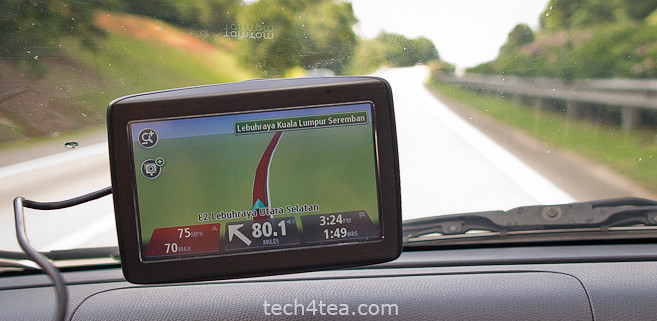
I tried out the TomTom VIA 280 for the first time during my drive from Singapore to Kuala Lumpur (KL) today after receiving the review unit yesterday. Here are the initial impressions.

TomTom VIA 280 on its maiden run on the Malaysian North-South expressway.

TomTom VIA 280 on its maiden run on the Malaysian North-South expressway.

Set up was straightforward. Plug the main unit to the cigarette plug using the USB cable, attach the main unit to the windscreen and you’re set to go.

Once you start the engine, the TomTom VIA 280 switches on. Switching off the engine, switches off the VIA 280 automatically.

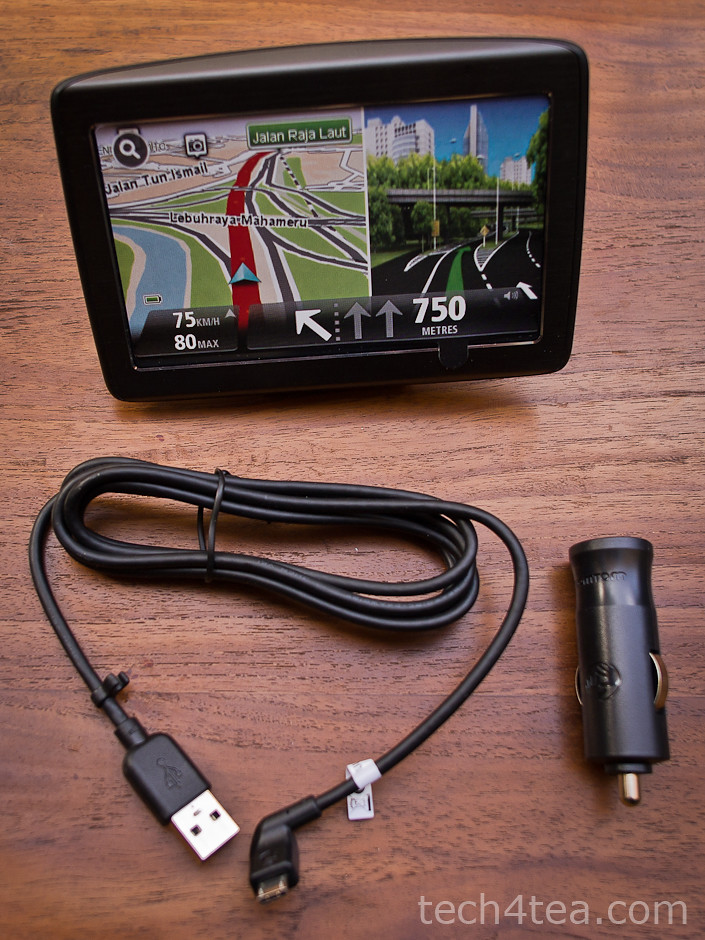
Only three components in the box: the main unit, the USB cable and the cigartette plug.

Only three components in the box: the main unit, the USB cable and the cigarette plug.

The user-interface was real easy. The route chosen was optimal. Changes to the route was simple. What impressed me most was how fast the recalculation took place.

I started off using the VIA 280 for a short journey running an errand round the neighbourhood. Just press “Navigate to” icon on the main menu, select “POI” (Point of interest), followed by “POI near you”, and then browse the various categories.

It was easy enough to find the neighbourhood shopping centre and set it as the destination. The map display was clear and the estimated distance to the next turning was accurate.

For the KL trip, I first set it as a “Favourite”. Next I set the route for it under “Plan route”. The recommended route was through the Causeway. But I preferred the Tuas Second Link.

By choosing the “Change route” option, you could ask for alternative routes, to travel via the Second Link or to avoid using the Causeway – which I did.

As I approached the second link, I realised that for the first time in my life, I’d forgotten to top up. The fuel gauge read just more than half-tank.

The Singapore government requires Singaporean drivers driving to Malaysia to have their petrol tanks at least ¾ tank full, otherwise if you’re caught in a spot-check, you’re fined S$500.

First impressions:

For a maiden run, the VIA 280 made a very positive impression.

The VIA 280 strikes me as a no-frills PND which is more than competent to handle all the functionalities one would expect for helping the driver navigate from point A to point B.

Now where’s the nearest petrol station?

Tapping anywhere on the map on the screen activated the main menu.

The following menu options: “Change route” > “Travel via…” > “Point of Interest” > “POI near you” > “Petrol station” revealed a list of petrol stations nearby, according to distance. 15 minutes later, we were back on track to hit the customs.

The drive on the North-South expressway was uneventful. En route, I deliberately deviated from the recommended route to see how the VIA 280 reacted. Both times, it came up with a new route in less than 3 seconds – impressive.

After the four-hour drive, we finally reached our destination 2 minutes before the time of arrival initially estimated by the VIA 280 at the beginning of the journey.

Mr Postman delivers: TomTom VIA 280

Saturday, November 19th, 2011

The courier dropped off the TomTom VIA 280 GPS portable navigation device (PND) for review. The VIA range is the new family of PNDs that TomTom just introduced to Singapore this week.

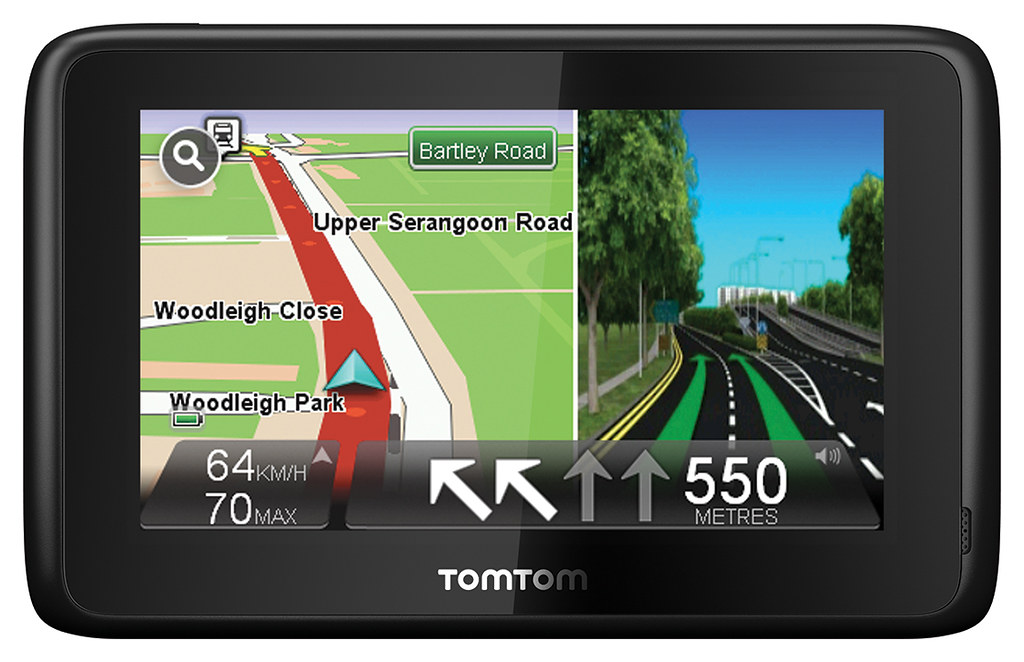
TomTom VIA 280 (Click to see the other accessories), the screen display here is a sticker.

TomTom VIA 280, the screen display here is a sticker.

TomTom has been selling the XL 250, XXL 550 and GO 750 PNDs in Singapore.This week, it introduced the GO 2050 and GI 2050 World, as well as the VIA 220, VIA 260 and VIA 280.

Only three components in the box: the main unit, the USB cable and the cigartette plug.

Only three components in the box: the main unit, the USB cable and the cigartette plug.

Compared to the GO family of PNDs, the VIA range represents the lower end, no-frills selection of PNDs.

I’d tried the GO 750 before and was impressed by it, but I was curious whether the VIA would cut it. Over the next week, I’ll be driving to Kuala Lumpur and back with the VIA 280 – and then I’ll let you know whether the VIA 280 is any good.

For now, a look at the new box of VIA 280 shows three parts: the main unit itself, the plug for the car’s cigarette lighter, and the USB cable which connects the main unit to the plug.

The same USB cable is also used to connect the main unit to the computer for software and map updates.

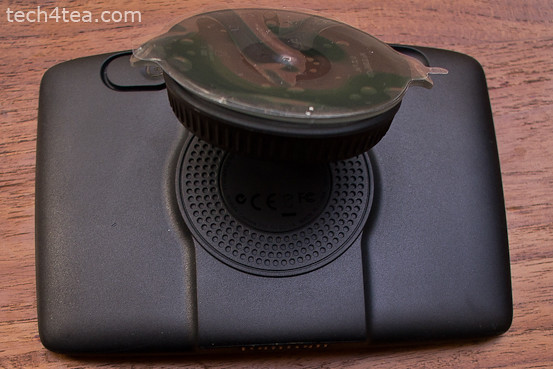
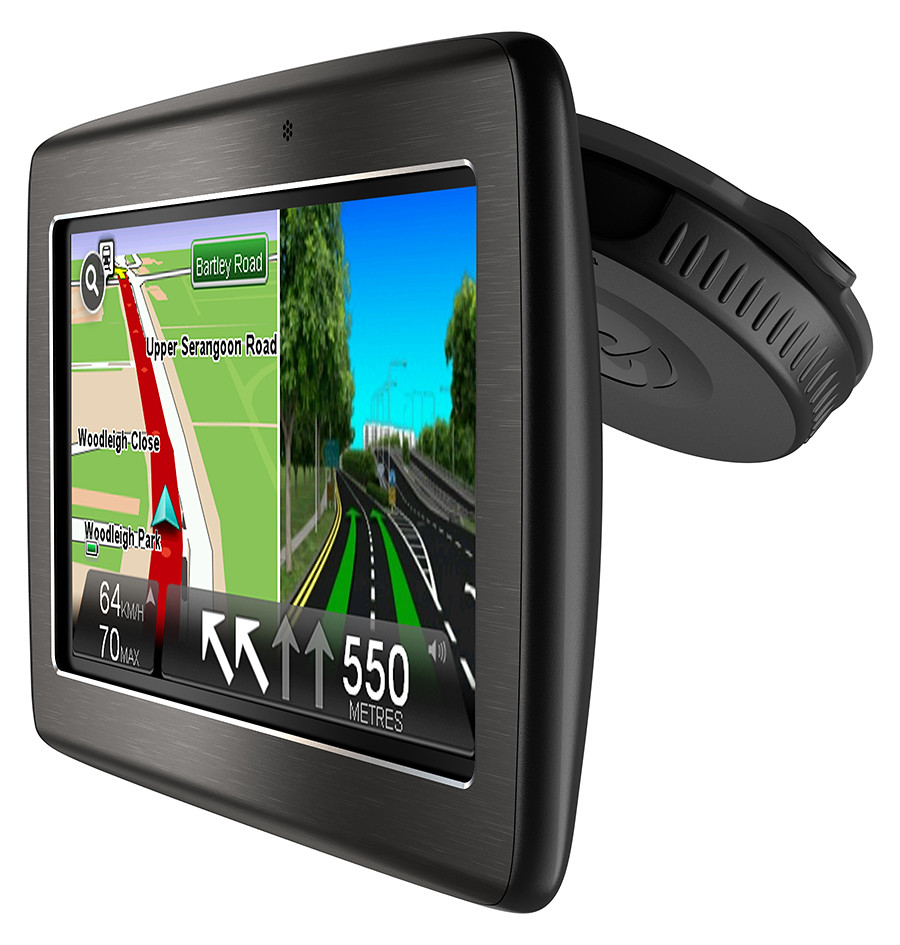
The integrated mount behind the TomTom VIA 280 comprises an adjustable suction disc.

The integrated mount behind the TomTom VIA 280 comprises an adjustable suction disc.

Behind the main unit is the integrated mount, with a suction disc. After connecting the cable, bend the suction disc outwards, press it against the windscreen and turn the knob around the disc to tighten the grip of the disc on the windscreen.

Then adjust the angle until the screen of the main unit is at the right viewing angle from the driver’s seat.

Press the power button behind the main unit and it’s ready to operate.

Tomorrow, I’ll be driving up to KL in the morning. We’ll see how it fares then.

5 New GPS PNDs: TomTom GO and Via series

Thursday, November 17th, 2011

Five new GPS PNDs from TomTom have arrived in Singapore – three from the Via range and two from the GO series. They will be available during SITEX 2011 from S$199 to S$479.

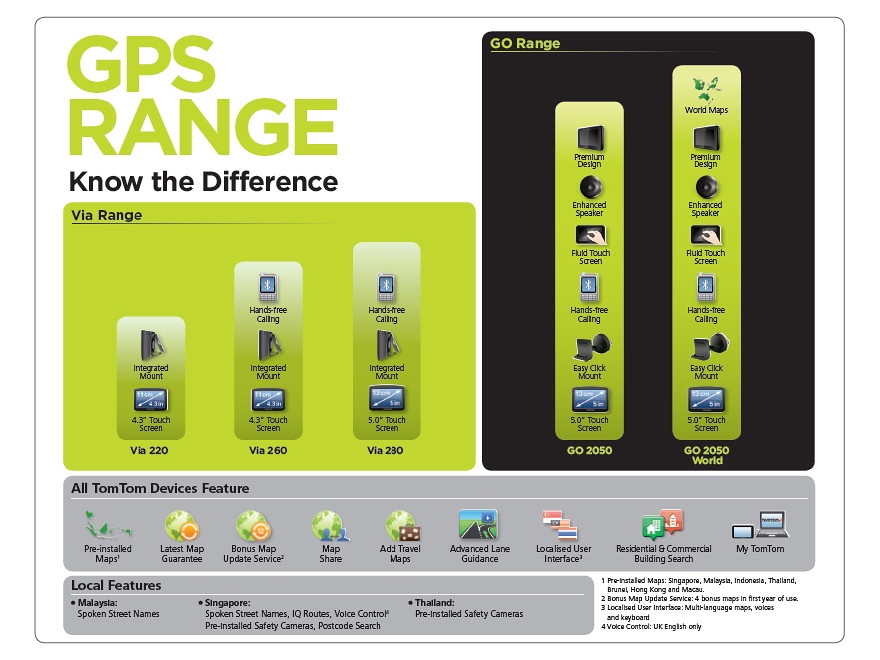
Comparison of the feature sets for the five TomTom GO and Via PNDs.

Comparison of the feature sets for the five TomTom GO and Via PNDs.

TomTom’s PNDs (Portable Navigation Devices) uses the unique IQ Routes technology that allows everyone to drive like a local.

Pricing & Availability: 

The new TomTom PNDs will be available at SITEX 2011 (24-27 November) at the following recommended retail prices.

TomTom Via 220 S$199
TomTom Via 260 S$239
TomTom Via 280 S$279
TomTom GO 2050 S$399
TomTom GO 2050 World S$479

The technology uses real road speed information contributed by TomTom drivers to consider all possible routes for selecting the fastest path – rather than rely on static maximum road speeds.

This often results in a different and faster route, saving significant travel time as well as money and fuel.

The PNDs comes with maps of Singapore, Malaysia, Thailand, Indonesia, Brunei, Hong Kong and Macau.

With road networks changing an average of 15% per year, TomTom allows users to download the latest map free-of-change within 90 days of first use. Users also get four bonus maps free in the first year of use.

TomTom GO 2050 and 2050 World

TomTom GO 2050 (S$399) and TomTom GO 2050 World (S$479)

TomTom GO 2050 (S$399) and TomTom GO 2050 World (S$479)

Both feature a large 5” Fluid Touch screen that allows users to pinch to zoom in and out of maps, or to scroll through menus with the tip of a finger. The Easy Click magnetic mount makes docking and undocking easier than ever – even with just one hand.

For S$80 more, the GO 2050 World comes with a world map which allows seamless navigation across 66 countries. The map covers includes coverage of South-East Asia, Europe, North America, Australia, New Zealand and major towns and cities in Africa.

TomTom Via 220 (S$199), 260 (S$239) and 280 (S$279)

TomTom Via 220 (S$199), 260 (S$239) and 280 (S$279)

TomTom Via 220, 260 and 280

The TomTom Via range ships with pre-installed Safety Cameras, IQ Routes, and Voice Control (Via 260 and 280).

Launching in Singapore for the first time, the software features Bluetooth hands free calling and an easy to use interface.

The TomTom Via 220 and 260 feature a 4.3” touch screen while the Via 280 sports a 5” touch screen.

TomTom navigation app for iPhone optimised for iPad

Tuesday, September 13th, 2011

The new iPad App was showcased at the TomTom exhibition stand during IFA 2011 in Berlin and will be available in Q4 2011.

“… we have optimised our TomTom App for the iPad. Now customers have one App for all iOS devices.” said Corinne Vigreux, Managing Director at TomTom.Customers who already have the iPhone version of the navigation app will be able to download the new version to their iPads for free.

This latest version will feature enhanced screen resolution, sharpened graphics and more intuitive controls specifically developed for the iPad.

New TomTom app for the iPhone

Monday, September 12th, 2011

The latest version of the TomTom App for iPhone (Version 1.8) now includes the latest maps of countries in Southeast Asia, including Singapore, Malaysia, Brunei, Hong Kong, Macau, Thailand and Indonesia. A new multi-stop routes driving feature is also included.

Use the iPhone as a Portable Navigation Device for turn-by-turn navigation.

Use the iPhone as a Portable Navigation Device for turn-by-turn navigation.

Mount your iPhone on the dashboard or windscreen to use it like a traditional PND.The South East Asia, TomTom App for iPhone (Version 1.8) can be downloaded from the App Store for USD $69.99. It works with iPhone 4, iPhone 3GS & iPod touch 3rd Gen running iOS4.

The new multi-stop routes feature makes it easier for drivers to make multiple stops on a single route, by letting them add up to five stop-off points when they plan their journey.

Multi-stop routes enable the driver to stop by a bank or petrol station enroute, or a diversion to pick up a friend as part of a longer journey.

This removes the hassle of entering a new journey for each leg of the trip and means that the driver can get an accurate estimated time of arrival for their final destination.

Travel: Asus Eee Pad Transformer in Germany

Tuesday, July 5th, 2011

We had the chance to bring the freshly launched 10.1-inch Asus tablet with us to Germany and the Czech Republic.

It proved to be the favourite gadget for the kids, and a very useful gadget for the adults.

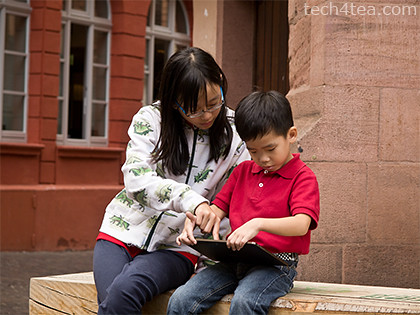
The kids on the Asus Eee Pad Transformer whilst taking a break from sight-seeing.

The kids on the Asus Eee Pad Transformer whilst taking a break from sight-seeing.

The Asus Eee Pad Transformer TF101 was launched in Singapore at the end of April. Here’s the nifty little device in action along the castle route from Frankfurt in Germany to Prague in the Czech Republic and back.

Using an Asus EeePad Transformer tablet instead of paper to do museum sketches

Using an Asus EeePad Transformer tablet instead of paper to do museum sketches

Erin loves visiting museums, and usually she sketches some of the exhibits that interests her on a paper notepad. This time, she was delighted to use the sketching app (Kids Doodle – Movie Kids Paint by Bejoy Mobile) on the Andoid tablet to do her sketches – in colour.

The app was in colour and could even reproduce the neon lighting effect of this exhibit!

The app was in colour and could even reproduce the neon lighting effect of this exhibit!

How do you keep the kids occupied while waiting for tea to arrive? You guessed it, let them at the tablet. Erin used it to write her journal of what she’d seen while Justin plays the games on it.

Erin dressing up her electronic doll in a girly app (Maidens Avatar Creator by Magicsoft) while waiting for tea to be served.

Erin dressing up her electronic doll in a girly app (Maidens Avatar Creator by Magicsoft) while waiting for tea to be served.

We don’t allow games and books during meals, so waiting for the meal to arrive is often the time to catch a breather and relax.

Afternoon tea at the Cafe in the cellar of Heidelberg Castle.

Afternoon tea at the Cafe in the cellar of Heidelberg Castle.

They love those quiz apps from the Android Market.

Anyone for maths quiz before pizza and kebab lunch at Weinheim?

Anyone for maths quiz before pizza and kebab lunch at Weinheim?

As I said mealtimes are reserved for relishing the food, conversation and company.

Pizza and kebab anyone?

Pizza and kebab anyone?

At the Frankfurt Zoo, Erin used the camera on the tablet to snap photos and record videos, which she then uploaded to the Internet, back at the hotel, to share with her friends. We also used it to surf the net check maps and to read up on the sights we planned to visit the next day.

The Frankfurt Zoo has a fabulous collection of primates.

The Frankfurt Zoo has a fabulous collection of primates.

Back at the hotel, the kids also used the tablet to read ebooks and worksheets in pdf format. It was a long vacation and we didn’t want the kids to totally lay off homework.

Almost every town we visited in Germany had an H&M. But the clothes just didn't suit us and we fell back on brands like Espirit and Benetton.

Almost every town we visited in Germany had an H&M. But the clothes just didn't suit us and we fell back on brands like Espirit and Benetton.

And finally shopping. No prizes for guessing how the Justin occupied himself while the rest of the family was busy shopping away.

Day at the Frankfurt Zoo

Friday, June 24th, 2011

A special day out for the children who have been such charms throughout the holiday. We visited one of the oldest zoos in the world and rounded off the day at the Römerberg.

Apart from animals, the Frankfurt Zoo had a fun playground for kids.

Apart from animals, the Frankfurt Zoo had a fun playground for kids.

The Zoologischer Garten of Frankfurt/Main features over 5,000 animals of more than 600 species on more than 13 hectares in the eastern part of the Innenstadt (inner city). The zoo was founded in 1858 and is the second oldest Zoo in Germany – after the Berlin Zoo which opened its doors in 1844.

The Römerberg is the old city square of Frankfurt. On the eastern side is a group of half-timbered houses called the Ostzeiles.

The Römerberg is the old city square of Frankfurt. On the eastern side is a group of half-timbered houses called the Ostzeiles.

As it was a public holiday (Corpus Christi) for the state of Hesse, the zoo was crowded with local Frankfurters taking their family for the day out. Arriving in the late morning, I encountered for the first time the difficulty of finding a parking lot since all the lots along the roads within half a kilometer of the zoo were occupied.

Parking in Frankfurt

The rules for city parking are relatively simple – you can park anywhere along the road as long as it hasn’t been marked as no parking areas – and as long as it’s not blocking an access road or garage. Look at other cars or road signs that specify whether you’re to park on the road, fully on the curb or with two wheels on the curb.

Feeding time for the Alpacas. Taken with an Olympus E5 DSLR.

Feeding time for the Alpacas. Taken with an Olympus E5 DSLR.

Some are free-of-charge, while others you pay for the amount of time you want to park at a meter which then issues you a ticket with the expiry time that you display on the dashboard. Some lots allow parking for only a limited period of time whether for free or paid. For free limited time parking, you have to display this special indicator that shows the time that you started parking. And – avoid handicapped lots unless you want your car towed away.

Beautiful restored half-timbered houses around the Römerberg.

Beautiful restored half-timbered houses around the Römerberg.

With the narrow streets, you can’t just stop the car on the road, like in an HDB car park, and wait for someone to come along to vacate his lot – especially when the tram shares the road with cars as well. You’ve got to keep moving and hope to spot a parking space.

I was fortunate in that after going a few rounds around where the Zoo was located, I came upon a car that was just leaving – and it was right next to the entrance. It was a matter of right time, right place – any faster or slower and the driver in front or behind me would have bagged that lot.

Zoologischer Garten

The zoo itself was great fun. It was not slick or anything but thoroughly enjoyable. As with other sights in Germany, the entire place was impeccably clean even though we didn’t see any cleaners. The zoo keepers were also a rare sight except during the shows.

I've never been so up close and personal with a gorilla before.

I've never been so up close and personal with a gorilla before.

But the enclosures were very well designed – there were plenty of glass panels through which visitors could view the animals close-up. I got so close-up to a Gorilla I had difficulty focusing the camera on his face!

An okapi getting at the leaves with its long tongue.

An okapi getting at the leaves with its long tongue.

The Singapore Zoo and a couple of other zoos we’d visited also features these close-up viewing glass panels, but there’re only one for each animal. Over here, you could easily have more than two such panels for an animal.

The highlight was their primate exhibit, featuring gorillas, orang utans and chimpanzees and a type of chimpanzee called the Bonobo that I felt was more human-like than the usual chimpanzees in terms of torso proportions and facial expressions. There was even this fingernail and toenail biting specimen than reminded me of some humans I’ve seen!

There were also okapis, an aquarium, and a tigress nursing two cubs.

Römerberg

After the zoo’s closure at 7 pm, we drove to the Römerberg – Frankfurt’s old city square.

The Römer, or City Hall sits on the Western side of the Römerberg.

The Römer, or City Hall sits on the Western side of the Römerberg.

On one side of the square is the Römer, which had been the Rathaus or City Hall for 600 years. On the opposite side is a row of half-timbered houses called Ostzeiles. These look remarkably new because the originals from the 15th century had been badly damaged during the Second World War and had to be rebuilt.

Alte Nikolaikirche, crane behind the church removed using Photoshop CS5.

Alte Nikolaikirche, crane behind the church removed using Photoshop CS5.

Dim interior of the Protestant church shot handheld with an Olympus E5 DSLR.

Dim interior of the Protestant church shot handheld with an Olympus E5 DSLR.

Dom St. Bartholomaus, seen from the Schirn Kunsthalle - the cultural exhibition center next to the Römerberg.

Dom St. Bartholomaus, seen from the Schirn Kunsthalle - the cultural exhibition center next to the Römerberg.

We visited the quaint St Nicholas’ Church on a third side of the square, and Saint Bartholomaus’ Cathedral behind the Ostzeiles.

The Protestant Alte Nikolaikirche is an early-Gothic church from the 12th century.

The Dom St Bartholomaus is the largest ecclesiastical building in Frankfurt, and was used for the election and coronation of the Holy Roman Emperors from 1356 and 1562 respectively until 1792. Heavily damaged during the Second World War, it was rebuilt in 1953.