Archive for 2011

Apple’s Cook visited Foxconn in 2010 suicide response

Tuesday, February 15th, 2011

It’s good to know that Apple took the situation seriously enough to act by sending its Chief Operating Officer to China. By the look of things, the problem seems to have been largely resolved.

Logo of Foxconn Technology Group Tim Cook personally visited supplier Foxconn’s Shenzhen facility in June 2010 as part of efforts to stop worker suicides, Apple revealed in its yearly report.

Tim Cook met Foxconn Technology Group’s CEO Terry Gou after 11 Foxconn workers committed suicide, mostly by jumping from high-rise dormitories provided by the company.

Foxconn briefed Cook on measures taken to prevent further deaths. Cook’s entourage included suicide-prevention specialists who made recommendations that Foxconn implemented. These included hiring psychological counselors, opening a 24-hour care center and installing nets in factories, Apple divulged.

Cook is now running Apple’s day-to-day operations while CEO Steve Jobs is on medical leave since January. Apple’s shares gained $2.33 to $259.18 in Nasdaq trading yesterday. Its shares have gained 11% this year.

Using FlipYourProfile to show a video clip as your Facebook profile

Monday, February 14th, 2011

Feeling bored with your Facebook profile photo? A new Facebook app cum browser plugin – FlipYourProfile – lets you replace your profile photo with a looping video clip.

Follow the steps below to replace your Facebook profile photo with a video:

  1. Go to facebook.com/FlipSG – download and install the browser plugin for Chrome, Safari, Firefox or IE.
  2. Restart the browser.
  3. Still at facebook.com/FlipSG, connect your profile with the app.
  4. Shoot and send video by e-mailing a video from a Flip Video cam to me@flipyourprofile.com.

If you don’t own a Flip, click on the Profile Maker tab to shoot a video using the webcam. You can also upload an existing video that is less than 10MB. Only videos in .flv, .mp4, or h.264 formats are accepted. If your video is not in any of these formats, use a free video converter like Miro Video Converter to convert your video file to one of the required formats.

Remember to shoot your video in landscape mode or it will appear sideways on your profile.

Initial reactions to this new Facebook app is mixed. Many are excited while others are dampened by the need to download a browser plugin to upload the video profile. Your friends will have to install the plugin as well in order to view the video profile.

Note that a message saying “Amazing! You can post videos on your Facebook profile. Get the app to view my profile vid,” will be posted to your wall when you upload a video.

Olympus VR-330 main specs

Saturday, February 12th, 2011
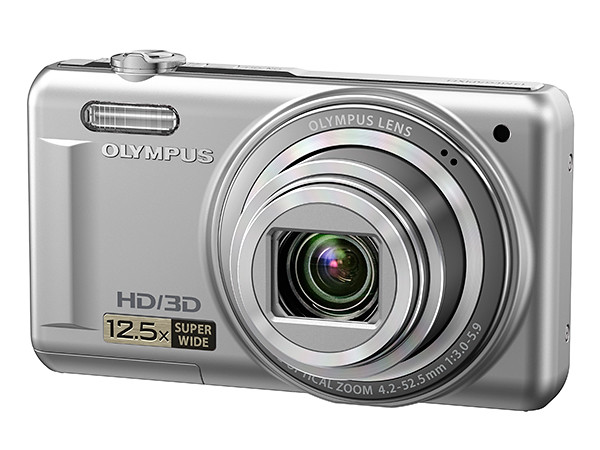
This 14-megapixels compact digital camera packs a 12.5x superzoom and a large 3” 460k dots LCD monitor to watch the 720p HD movies it shoots.

Olympus VG-110 (Blue)
Olympus VG-110 (Red)
Olympus VG-110 (Black)
Olympus VG-110 (Silver)

Olympus VR-330

At an estimated street retail price of S$330, the VR-330 will be available from April in black, silver, red or blue.

The 12.5x zoom lens extends from a wide angle of 24mm to 300mm (35mm equivalent) and uses a 14 megapixels CCD sensor.

A dedicated “Rec” button initiates recording of 1280 x 720 HD movies in MPEG-4 AVC/H.264 format and provides HDMI output for viewing on a high definition TV.

Seven Magic Filters, including the new Sparkle filter, add special effects (Pop, Pin Hole, Fisheye, Sketch, Soft Focus, Punk and Sparkle) to photos.

Lens aperture ranges from 3 to 5.9.

Dual IS (image stabilisation)  allows the use of a fast shutter speed even in low-light conditions to freeze action and to minimise camera shake – so as to reduce blurring. A sensor shift image stabilisation mechanism is used in conjunction with the use of a high ISO sensitivity.

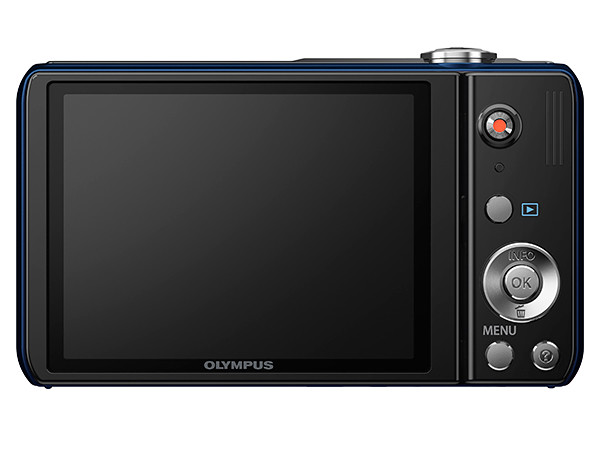
The VR-330 features a 3” 460 thousand dot LCD monitor.

3D capture shoots 3D photos that can be viewed on compatible TVs and computers.

14 scene modes contain pre-programmed camera settings for taking pictures in various photographic situations, including a Pet mode that automatically detects, tracks and focuses on dogs and cats. An Intelligent Auto mode picks the most suitable scene mode to use under the prevalent lighting conditions.

Olympus VR-330

AF tracking locks on to a moving subject and follows it, continuously adjusting focus and brightness. Face detection focuses on the faces in the photo and can work with AF tracking to follow the main subject if it is moving.

Olympus VR-330

The included Olympus [ib] software allows organising, browsing and editing of photos.

The shadow adjustment technology to increase dynamic range of photos taken under high contrast situations by lightening the shadow tones and darkening the highlights.

Olympus VR-310 main specs

Friday, February 11th, 2011
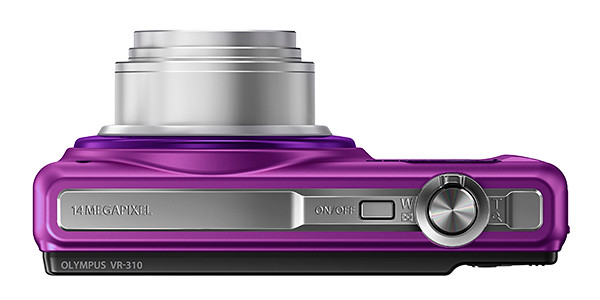
This 14-megapixels compact digital camera has a 10x zoom starting from a wide angle of 24mm and shoots 720p HD movies.

Olympus VG-110 (Purple)
Olympus VG-110 (Red)
Olympus VG-110 (Black)
Olympus VG-110 (Silver)

Olympus VR-310

At an estimated street retail price of S$285, the VR-310 will be available from April in black, silver, red or purple.

The 10x zoom lens extends from a wide angle of 24mm to 240mm (35mm equivalent) and uses a 14 megapixels CCD sensor.

A dedicated “Rec” button initiates recording of 1280 x 720 HD movies in MPEG-4 AVC/H.264 format.

Seven Magic Filters, including the new Sparkle filter, add special effects (Pop, Pin Hole, Fisheye, Sketch, Soft Focus, Punk and Sparkle) to photos.

Lens aperture ranges from 3 to 5.7.

Dual IS (image stabilisation)  allows the use of a fast shutter speed even in low-light conditions to freeze action and to minimise camera shake – so as to reduce blurring. A sensor shift image stabilisation mechanism is used in conjunction with the use of a high ISO sensitivity.

The VR-330 features a 3” 230 thousand dot LCD monitor.

Pre-programmed scene modes contain camera settings for taking pictures in various photographic situations, while an Intelligent Auto mode picks the most suitable camera settings to use under the prevalent lighting conditions.

Olympus VR-310AF tracking locks on to a moving subject and follows it, continuously adjusting focus and brightness. Face detection focuses on the faces in the photo and can work with AF tracking to follow the main subject if it is moving.

Olympus VR-310The included Olympus [ib] software allows organising, browsing and editing of photos.

The shadow adjustment technology to increase dynamic range of photos taken under high contrast situations by lightening the shadow tones and darkening the highlights.

Olympus VG-110 main specs

Thursday, February 10th, 2011

This budget compact digital camera provides ease of use and value for money.

At an estimated street retail price of S$115, the VG-110 will be available from this month in black, silver or red.

The Olympus VG-110 comes in Silver, Red and Black
Olympus VG-110 (Silver) Olympus VG-110 (Red) Olympus VG-110 (Black)

This affordable 4x budget compact covers from 27mm to 108mm (35mm equivalent) and uses a 12 megapixels CCD sensor.

It records VGA movie clips of 640×480 at up to 30fps, in AVI Motion JPEGformat.

Top view of Olympus VG-110Lens aperture ranges from 2.9 to 6.5.

DIS (Digital Image Stabilisation) reduces motion blur in photos by increasing the ISO sensitivity and to allow faster shutter speeds.

Seven Magic Filters add special effects  (Pop, Pin Hole, Fisheye, Sketch, Soft Focus, Punk and Sparkle), including the new Sparkle filter.

The VG-110 features a 2.7” 230 thousand dot LCD monitor.

Various features on the camera makes it easy to use even for novices.

Note the "?" button on the VG-110A “?” button provides explanations of various camera settings and menu functions for the beginner or new user. Exposure compensation allows the photographer to preview on the LCD the effects of the different exposure settings before taking the photo.

14 scene modes contain pre-programmed camera settings for taking pictures in various photographic situations.  These include portrait mode to capture loved ones, landscape mode to show off the scenery, a fun fireworks mode and a specially designed “Pet Mode” to help animal lovers capture their pet dogs and cats.

An Intelligent Auto mode picks the most suitable scene mode to use under the prevalent lighting conditions.

AF tracking locks on to a moving subject and follows it, continuously adjusting focus and brightness. Face detection focuses on the faces in the photo and can work with AF tracking to follow the main subject if it is moving.

The included Olympus [ib] software allows organising, browsing and editing of photos.

The shadow adjustment technology to increase dynamic range of photos taken under high contrast situations by lightening the shadow tones and darkening the highlights.

Olympus SZ-10 main specs

Wednesday, February 9th, 2011

This compact superzoom is targeted for shooting travel and sports activities. 18x ultra-zoom gets the photographer up close to the action while auto-focus tracking keeps up with the fast pace of sports events.

At an estimated street retail price of S$320, the SZ-10 will be available from March 2011 in either black or silver.

SZ-10 (Black)

SZ-10 (Black)

SZ-10 (Silver)

SZ-10 (Silver)

The 18x superzoom goes from 28mm to 504mm (35mm equivalent) and uses a 14 megapixels CCD sensor.

A dedicated REC button initiates recording of 1280 x 720 HD movies in MPEG-4 AVC/H.264 format.

SZ-10 (top view)

SZ-10 (top view)

Eight Magic Filters add special effects (Pop, Pin Hole, Fisheye, Sketch, Soft Focus, Punk, Watercolor and Sparkle) to both stills and video. These include two new filters: Water Color and Sparkle.

Lens aperture ranges from 3.1 to 4.4.

Dual IS (image stabilisation) promises up to 4 stops of compensation. A sensor shift image stabilisation mechanism is used in conjunction with a high ISO of up to 1600. This allows the use of a fast shutter speed even in low-light conditions to freeze actions or to minimise camera shake – so as to reduce blurring.

It features a large three-inch 460 thousand dot LCD monitor and a 3D capture mode that shoots 3D photos that can be viewed on compatible TVs and computers.

AF tracking locks on to a moving subject and follows it, continuously adjusting focus and brightness.

SZ-10 (back)

SZ-10 (back)

SZ-10 (front)

SZ-10 (front)

Panorama mode snaps three shots of the scene and stitches them together in-camera. Just press the shutter release button and pan slowly through the scene.

Alternatively, use the included Olympus [ib] software to stitch up to 10 images together into a panorama. The software allows organising, browsing and editing of photos.

Other camera features include face detection, shadow adjustment technology to increase dynamic range of photos taken under high contrast situations, and an Intelligent Auto mode that picks the most suitable scene mode to use under the prevalent lighting conditions.

There’s even a Pet Mode that recognises the faces of certain breeds of cats and dogs so that the camera can automatically detects, tracks and focuses on them for shooting.

Olympus launches 4 new digital compact cameras.

Tuesday, February 8th, 2011
Olympus has just unveiled 4 new digital compacts. This is close on the heels of last months launch of 7 models.

All four cameras are compacts and offer different specs for users with different emphasis on what they are looking for. Prices are to be announced and the cameras will go on sale in Singapore within the next two months.

Olympus SZ-10

Olympus SZ-10

Olympus VG-110

Olympus VG-110

Olympus VR-310

Olympus VR-310

Olympus VR-330

Olympus VR-330

The four models and their main highlights are listed below:
Model
Date available
Estimated price
Colours
Highlights
SZ-10
March 2011
S$320
Colours:
Black
Silver
– 14 megapixels CCD.
– Targeted for travel and sports events. Superzoom yet compact, it features a hefty 18x ultra-zoom lens from 28 to 504 mm (35mm equivalent).
– Shoots 720p HD movies.
– 460k dot 3” LCD monitor.
– 3D capture mode and AF tracking.
– 8 Magic Filters includes 2 new filters: Water Color and Sparkle filters.
VG-110
February 2011
S$115
Colours:
Black
Silver
Red
– 12 megapixels CCD.
– This budget compact features 4X optical zoom lens from wide angle of 27mm to 108mm.
– Records VGA movies.
– 230k dot 2.7” LCD monitor.
– 7 Magic Filters include the new Sparkle filter.
VR-310
April 2011
S$285
Colours:
Black
Silver
Red
Purple
– 14 megapixels CCD.
10X optical zoom lens from wide angle of 24 to 240 mm.
– Shoots HD movies.
– Large-screen 230k dot 3” LCD monitor.
– 7 Magic Filters include the new Sparkle filter.
VR-330
April 2011
S$330
Colours:
Black
Silver
Red
Blue
– 14 megapixels CCD.
– 12.5X optical zoom lens from a wide angle of 24 to 300 mm.
– Shoots HD movies.
– Large-screen 460k dot 3” LCD monitor.
– Shoots 3D photos viewable on compatible TV sets.
– 7 Magic Filters include the new Sparkle filter.

Carl Zeiss joins the Micro Four Thirds Standard

Monday, February 7th, 2011
Another high-end lens maker, Carl Zeiss, has joined the Micro Four Thirds System Standard Group. More choice for users of Panasonic or Olympus Micro Four Thirds digital cameras.

Logo of Carl Zeiss Carl Zeiss has joined the “Micro Four Thirds System Standard Group”, announced Olympus in its press release.

Logo of Micro Four Thirds

Initiated by Olympus and Panasonic in 2008, the Micro Four Thirds (MFT) is a standard for lens mounts that is tailored to digital system cameras. The standard defines the sensor size, the lens mount together with the communication protocol, the aspect ratio and the flange back distance, as well as the optical requirements for production and construction.

Distagon lens from Carl Zeiss
The renowned lens-maker will make lenses designed specifically for MFT cameras, providing direct compatibility for MFT users, instead of depending on lens-mount adapters.

Carl Zeiss AG is a 165 year-old manufacturer of optical systems, based in Germany and founded in 1846 by Carl Zeiss.

Micro Four Thirds vs Four Thirds

Saturday, February 5th, 2011
Ever wondered what’s the difference between Four Thirds and the newer Micro Four thirds? Here’s a really quick comparison.

Flangeback distance: MFT only 50% of FT

The Four Thirds system is a standard created by Olympus and Kodak in 2001 for digital single-lens reflex camera (DSLR) design and development. Unlike older SLR systems, Four Thirds has been designed from the ground up to be entirely digital.

The Micro Four Thirds system was developed in 2008 by Olympus and Panasonic.

The Four Thirds System standard offers the benefits of compact, lightweight performance, and the new Micro Four Thirds System standard takes this still further to enable development of new ultra-compact interchangeable lens type digital camera systems.

The image sensor diagonal dimensions are the same for both Four Thirds System and Micro Four Thirds System standards.

Mount electrical contacts: MFT(11) vs FT(9)

The Micro Four Thirds System standard enables users to enjoy the same high image quality of the Four Thirds System’s 4/3-type image sensor in a much more compact body, and also take advantage of significantly more compact lenses, particularly in the wide-angle and high-power zoom range.

The new Micro Four Thirds System standard also incorporates a greater number of lens-mount electrical contacts (increased from 9 to 11) for the support of new features and expanded system functionality in the future.

Lens mount diameter: MFT is 6mm smaller than FT

Other primary distinguishing features of the Micro Four Thirds System standard (when compared to the Four Thirds System standard) are:

Approximately 50% shorter flangeback distance (mount-to-sensor distance).

Lens mount outer diameter approximately 6mm smaller.

Schneider Kreuznach joins the Micro Four Thirds Standard

Friday, February 4th, 2011
Users of Panasonic or Olympus Micro Four Thirds digital cameras can now look forward to new lens options from Schneider-Kreuznach, the German maker of high performance lenses.
Logo of Schneider Kreuznach
Schneider-Kreuznach has joined the “Micro Four Thirds System Standard Group”.

Logo of Micro Four Thirds Developed by Olympus and Panasonic, “Micro Four Thirds” is a standard for lens mounts that is tailored to digital system cameras. The standard defines the sensor size, the lens mount together with the communication protocol, the aspect ratio and the flange back distance, as well as the optical requirements for production and construction.

Any member in the consortium of companies in the Group can make and distribute accessories for the system that meet the standard. Users can therefore use and combine components from different manufacturers.

Lens from Schneider Kreuznach The Schneider Group specializes in developing and producing high-performance photographic lenses, cinema projection lenses, as well as industrial optics and precision mechanics.


The group was founded in Bad Kreuznach (Germany) in 1913 with subsidiaries in Göttingen, Dresden, New York, Los Angeles, Seoul, Hong Kong and Shenzhen. It has around 620 employees worldwide, with 330 based in its German headquarters.